The Ultimate First-Timer’s Guide to Exploring Sikkim
Sikkim keeps showing up on every traveler’s wishlist — and honestly, it deserves the spot. This tiny Himalayan state packs in snow-capped mountains, Buddhist monasteries, lush valleys, and food that’ll make you want to cancel your return flight. If you’ve been thinking about first time visiting Sikkim but aren’t sure where to start, this Sikkim beginner travel guide is built exactly for you.
This guide is for solo travelers, couples, and small groups who want a real, no-stress experience — not just a highlight reel. You’ll get a clear breakdown of the Sikkim travel requirements you need to sort before you even book a ticket, a straightforward look at how to reach Sikkim from major cities, and an honest rundown of the best places to visit in Sikkim that are actually worth your time.
No fluff, no filler — just everything you need to plan a trip that goes smoothly from day one.
Why Sikkim Should Be Your Next Travel Destination

Discover the Unique Culture and Heritage of Sikkim
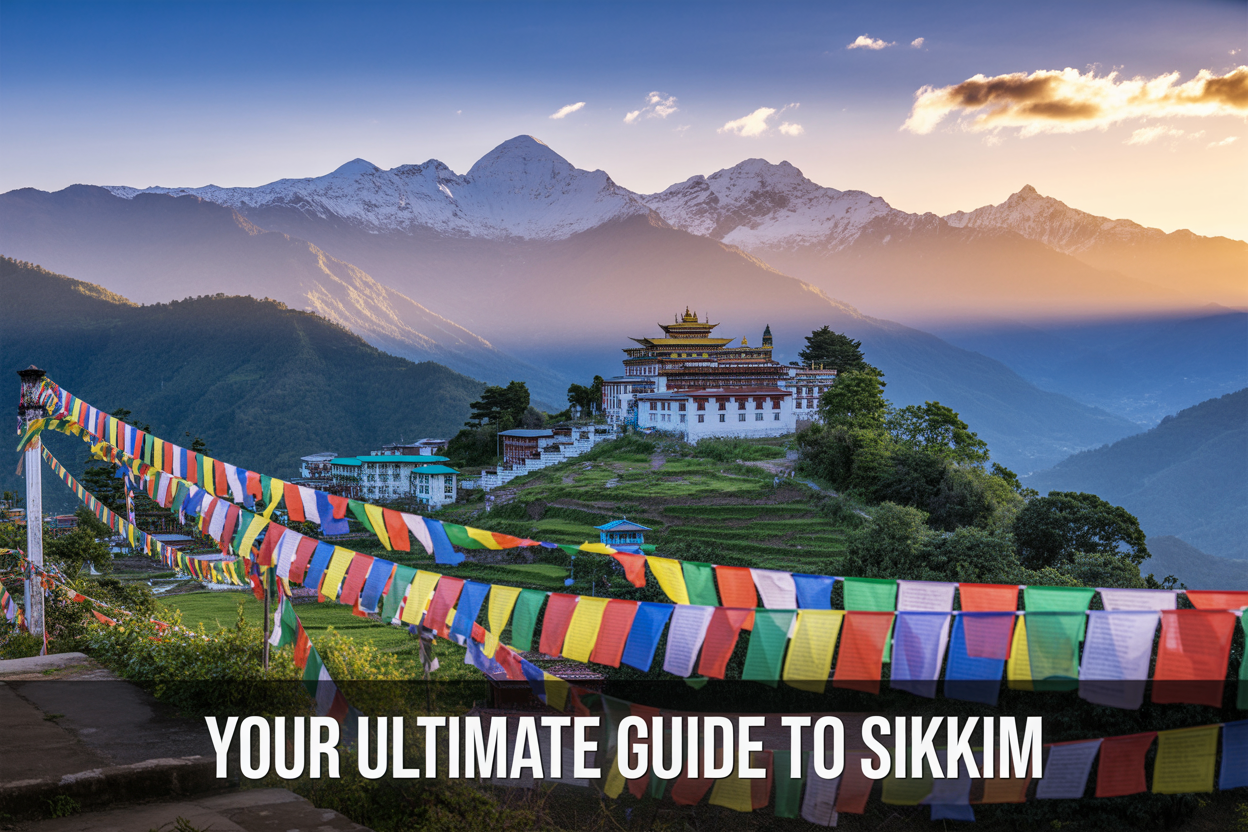
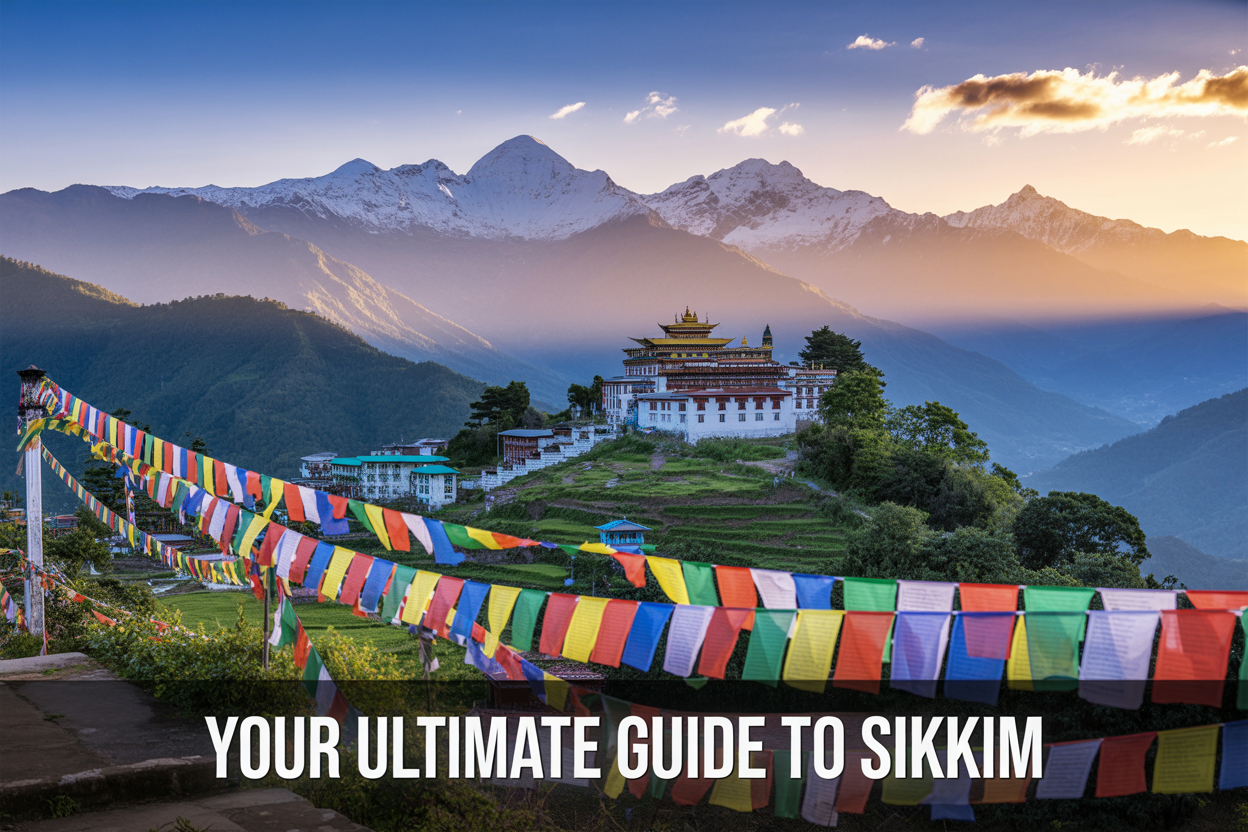
Sikkim is a fascinating blend of Nepali, Tibetan, and Lepcha cultures, all coexisting in one tiny Himalayan state. Buddhist monasteries sit alongside Hindu temples, colorful prayer flags flutter over mountain passes, and local festivals like Losar and Pang Lhabsol offer genuine cultural immersion that feels nothing like a tourist performance.
Experience Breathtaking Landscapes Found Nowhere Else
Few places on earth pack this much natural drama into such a small area. You get snow-capped peaks including Kangchenjunga — the world’s third-highest mountain — alpine lakes like Tsomgo, dense rhododendron forests, and terraced cardamom farms, all within a few hours of each other. For first-time visitors following a Sikkim travel guide, the sheer variety of scenery is genuinely jaw-dropping.
Enjoy a Safe and Welcoming Environment for First-Timers
Sikkim consistently ranks as one of India’s safest states, making it a great starting point for first-time solo travelers. The locals are genuinely warm and helpful, English is widely understood, and the overall vibe is relaxed and low-pressure. Petty crime rates are remarkably low, roads are reasonably maintained, and the state government actively works to keep Sikkim clean and tourist-friendly.
Essential Travel Requirements Before You Go
Understand the Permit System for Visiting Sikkim
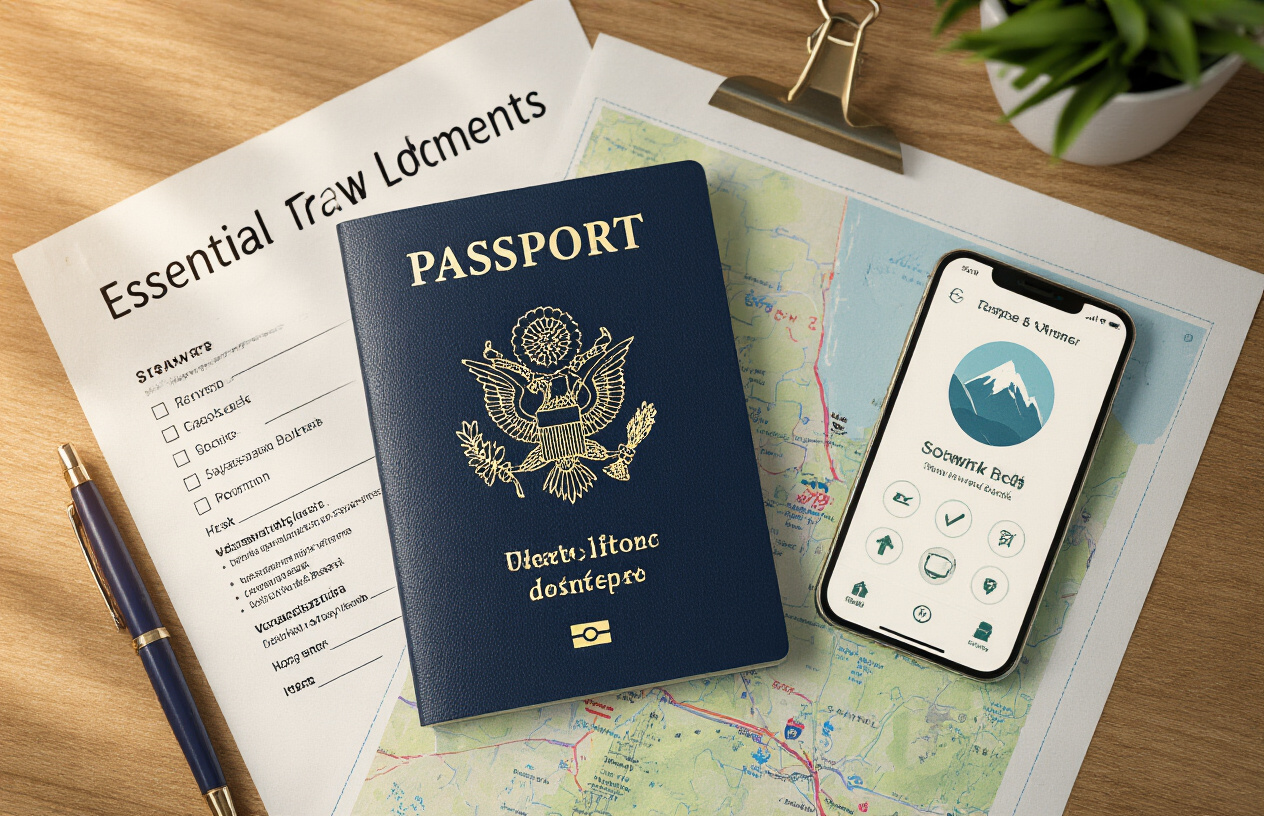
Every visitor to Sikkim needs an Inner Line Permit (ILP), issued free at the border checkpoints or online via the Sikkim government portal. For restricted areas like Nathula Pass or Gurudongmar Lake, you’ll need an additional Protected Area Permit (PAP), which requires a registered tour operator.
Get the Right Documents Ready in Advance
Pack these before leaving home:
| Document | Required For |
|---|---|
| Valid Photo ID (Aadhaar/Passport) | ILP at entry points |
| 2 passport-size photos | PAP applications |
| Travel insurance proof | High-altitude zones |
| Registered tour operator letter | Restricted area permits |
Foreign nationals must carry their passport and Indian visa at all times.
Know the Best Time of Year to Visit for Ideal Weather
The sweet spot for first-time Sikkim travel is March to May (blooming rhododendrons, clear skies) or October to December (crisp air, stunning mountain views). Avoid monsoon season (June–September) — landslides can disrupt roads badly.
Plan Your Budget to Make the Most of Your Trip
Sikkim is surprisingly affordable. Budget travelers can manage on ₹1,500–2,000/day covering guesthouses, local meals, and shared transport. Private taxis and luxury homestays push costs higher but are worth it for remote areas.
How to Reach Sikkim Without the Hassle
Fly Into Bagdogra Airport for the Easiest Entry
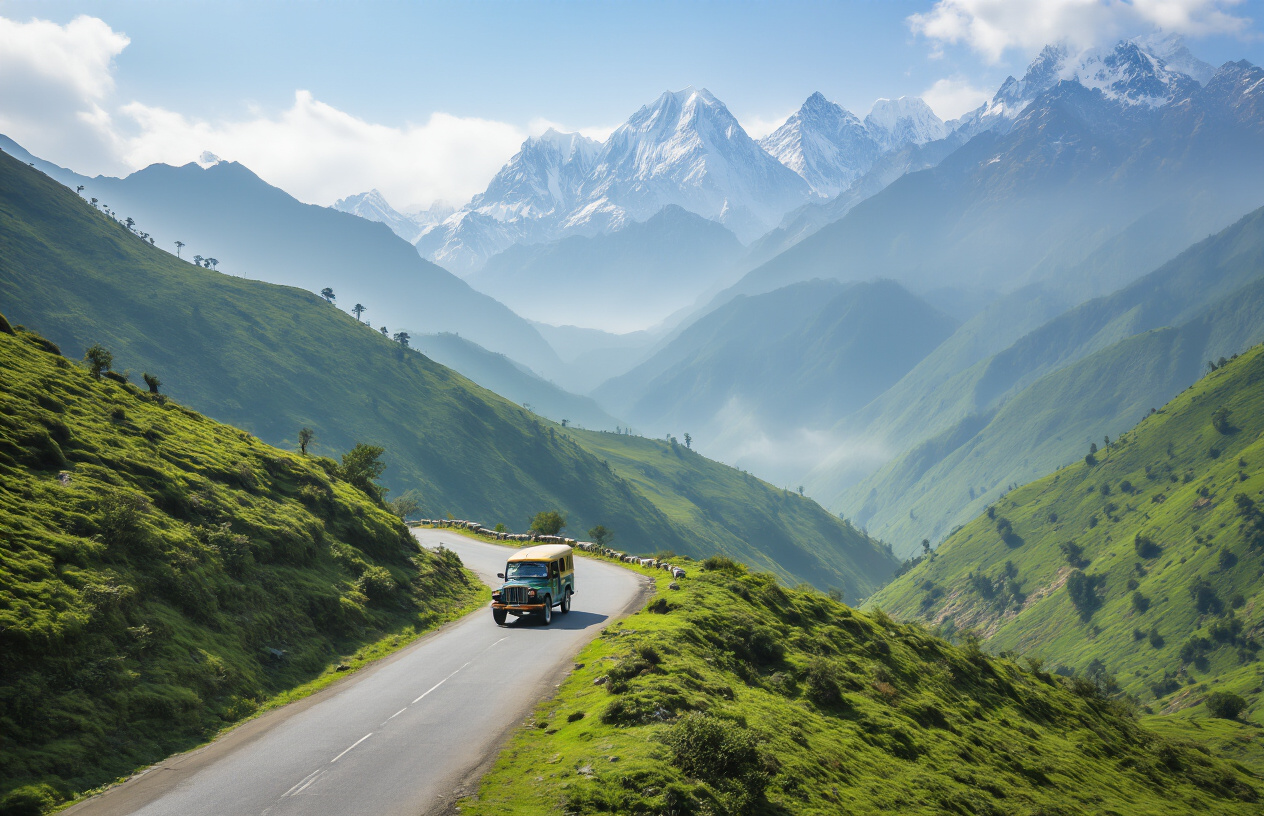
Bagdogra Airport, near Siliguri, is your best bet when figuring out how to reach Sikkim by air. Direct flights connect from Delhi, Mumbai, and Kolkata daily. From Bagdogra, Gangtok is roughly 4 hours by shared taxi or private cab. Book your cab in advance during peak season — spots fill up fast.
Take a Scenic Train Journey to New Jalpaiguri
New Jalpaiguri (NJP) railway station is well-connected to major Indian cities and sits about 3–4 hours from Gangtok. It’s a budget-friendly option, and the drive from NJP through the hills is genuinely beautiful. Shared jeeps and pre-booked taxis wait right outside the station.
Choose the Right Road Route for a Smooth Drive
| Route | Starting Point | Approx. Drive Time |
|---|---|---|
| NH10 (Main Highway) | Siliguri | 4–5 hours |
| Rangpo Entry Point | West Bengal Border | 3.5 hours |
| Jorethang Route | South Sikkim Entry | 5–6 hours |
NH10 via Siliguri is the most popular and straightforward road route. Road conditions can get tricky during monsoons (June–September), so check weather updates before heading out. Always carry your permits — checkpoints are frequent.
Top Destinations Every First-Timer Must Visit
Explore Gangtok for the Perfect Introduction to Sikkim
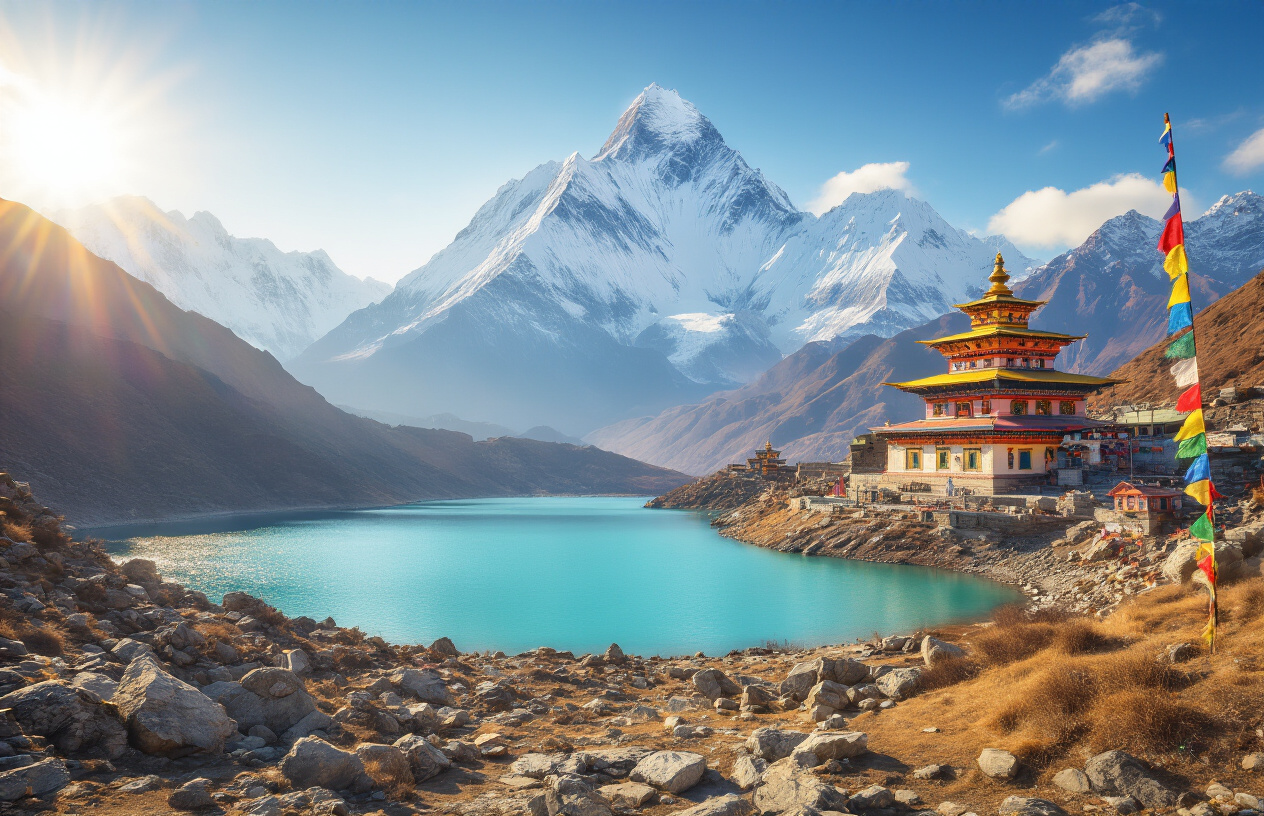
Gangtok is your best starting point when visiting Sikkim for the first time. The capital city blends modernity with Himalayan charm effortlessly. Walk along MG Marg, visit Enchey Monastery, and catch panoramic views of Kanchenjunga from Tashi Viewpoint. The cable car ride over the city is something you genuinely shouldn’t skip.
Marvel at the Majestic Views from Tsomgo Lake
Sitting at 12,400 feet, Tsomgo Lake is one of the best places to visit in Sikkim. The glacial lake changes color with the seasons — deep blue in summer, frozen white in winter. Yak rides around the lake are a crowd favorite. You’ll need a permit, which can be arranged easily through local travel agents in Gangtok.
Discover the Spiritual Serenity of Rumtek Monastery
Just 24 km from Gangtok, Rumtek is one of the most significant Buddhist monasteries in Asia. The peaceful atmosphere hits you the moment you arrive. Attend a prayer session if timing allows — it’s a genuinely moving experience.
Experience the Untouched Beauty of North Sikkim
North Sikkim remains raw and breathtaking. Gurudongmar Lake, Zero Point, and Lachen village are absolute highlights. Roads here are rough, so go with an organized tour. This region requires a special restricted area permit, so plan ahead.
Must-Try Foods and Local Experiences in Sikkim
Savor Traditional Sikkimese Dishes That Delight the Palate
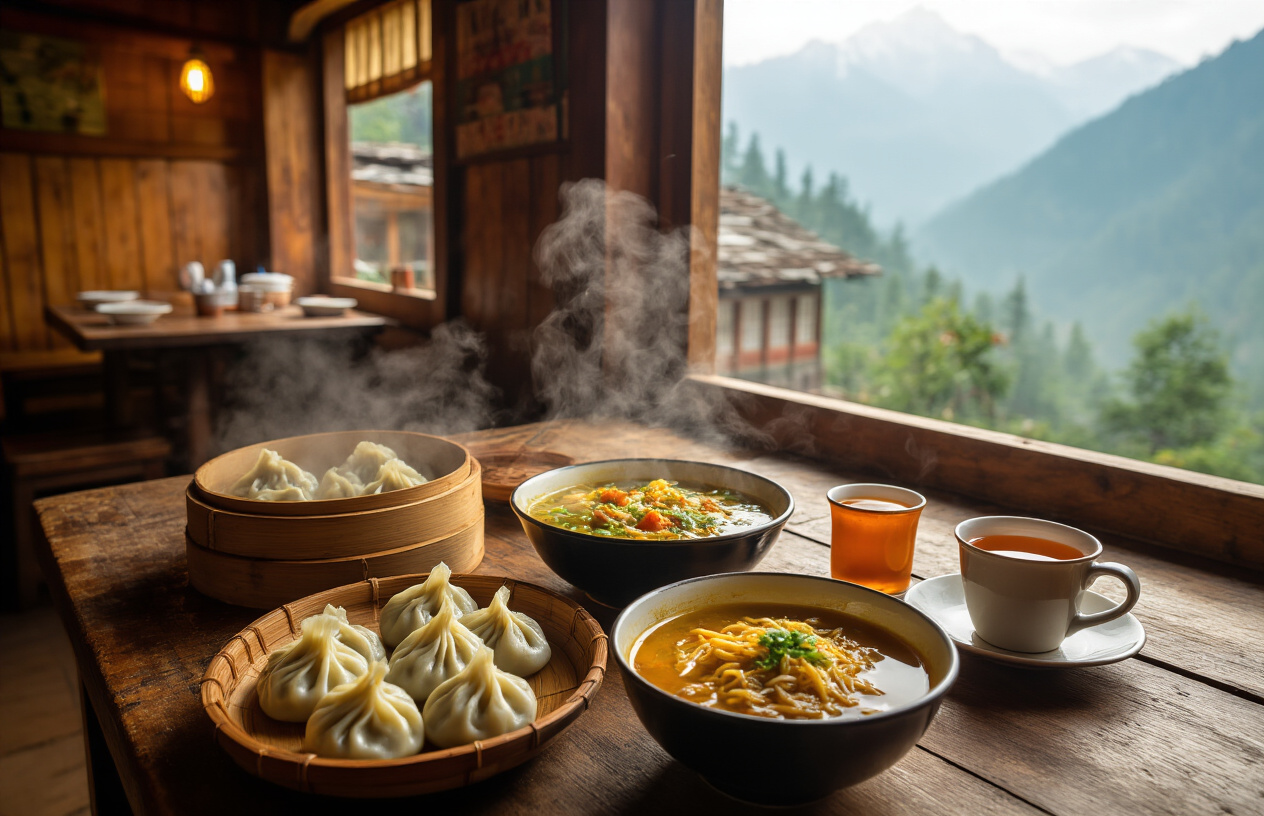
Sikkim local food and experiences go far beyond what most travelers expect. Start with momos — steamed dumplings stuffed with pork, chicken, or cheese — served everywhere from roadside stalls to cozy restaurants. Thukpa, a hearty noodle soup, is perfect after a chilly mountain day. Don’t skip Gundruk, fermented leafy greens with a tangy punch, or Chhurpi, a local dried cheese that doubles as a trail snack. Wash everything down with Tongba, a warm millet-based drink stirred with hot water — a true Sikkimese staple.
Explore Local Markets for Authentic Souvenirs and Flavors
Gangtok’s MG Marg and Lal Bazaar are your go-to spots for handmade crafts, Tibetan jewelry, prayer flags, and local spices. Try fresh cardamom — Sikkim grows some of the world’s finest. Buying directly from local vendors supports small businesses and gives you a genuine slice of daily life here.
Participate in Festivals to Immerse Yourself in Local Culture
Timing your trip around Losar, Saga Dawa, or Pang Lhabsol adds a magical layer to your Sikkim travel guide experience. Monasteries come alive with masked dances, chanting, and vibrant processions — something no guidebook can fully capture.
Practical Tips to Stay Safe and Travel Smart
Pack the Right Gear for Changing Mountain Weather
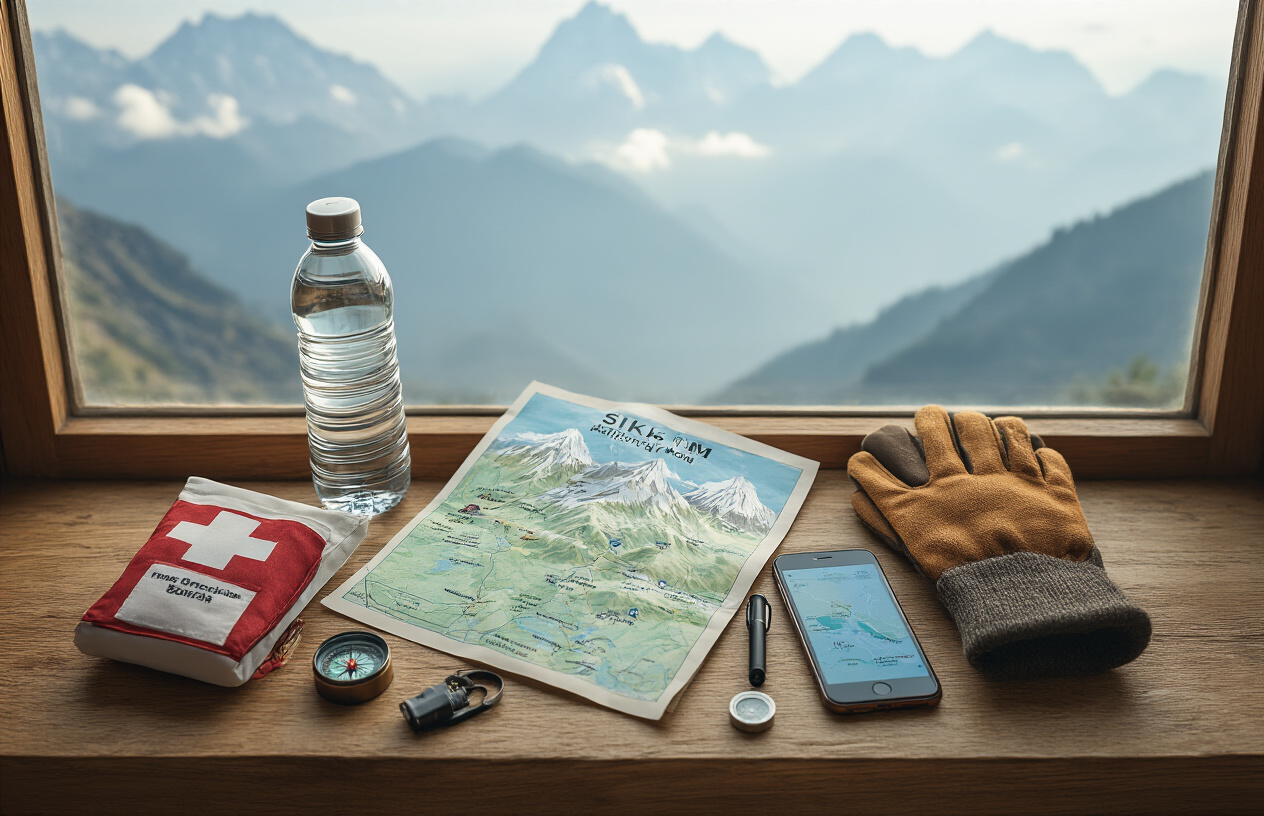
Sikkim’s weather shifts fast — sunny mornings can turn into cold, rainy afternoons within hours. Pack layers: a thermal base, a fleece mid-layer, and a waterproof jacket. Sturdy trekking shoes are non-negotiable, especially if you’re heading to North Sikkim or Goecha La.
Stay Altitude-Sickness-Free With Simple Precautions
Acclimatize gradually. Spend your first day resting in Gangtok before moving to higher altitudes. Drink plenty of water, avoid alcohol initially, and carry Diamox if your doctor recommends it. If you feel persistent headaches or nausea, descend immediately — no viewpoint is worth the risk.
Choose Reliable Accommodations Suited to Every Budget
| Budget | Option |
|---|---|
| Budget | Government guesthouses, hostels |
| Mid-range | Homestays, boutique hotels |
| Luxury | Heritage properties, eco-resorts |
Homestays are highly recommended — warm hosts, home-cooked meals, real local insight.
Hire Local Guides to Unlock Hidden Gems Effortlessly
Local guides know restricted area routes, seasonal trail conditions, and spots no travel blog mentions. Many are certified through Sikkim Tourism — always verify credentials before hiring.
Respect Local Customs to Enhance Your Travel Experience
Remove shoes before entering monasteries, avoid pointing at religious objects, and ask before photographing locals. Small gestures like these open doors to genuine, memorable connections throughout your Sikkim trip.
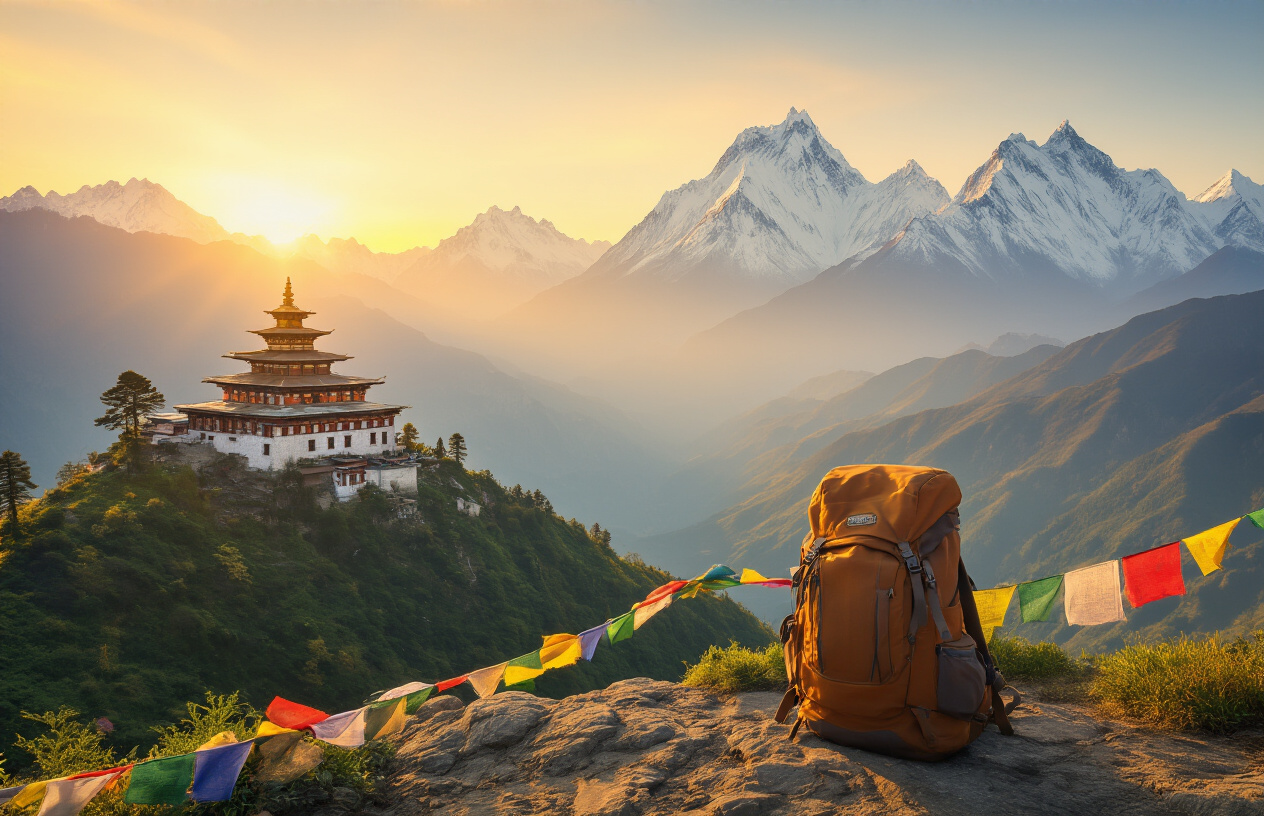
Sikkim is one of those rare places that stays with you long after you’ve left. From the snow-capped peaks and Buddhist monasteries to the warmth of the locals and the flavors of a steaming plate of momos, every part of this tiny Himalayan state has something special to offer. Getting your permits sorted, picking the right route, and knowing which spots to prioritize can make a huge difference in how much you enjoy the trip.
If you’ve been sitting on the fence about where to head next, let Sikkim be the answer. Do your homework, pack smart, respect the local culture, and just show up with an open mind. The mountains will take care of the rest.