
Bhutan Has 20+ Tourist Spots. Here’s Where to Start
Bhutan doesn’t do mass tourism — and that’s exactly what makes it special. If you’ve been eyeing this tiny Himalayan kingdom and wondering where to even begin planning, you’re in the right place.
This Bhutan travel guide is for first-timers who want to see the best places to visit in Bhutan without wasting days on the wrong stops. It’s also for repeat visitors ready to dig past the obvious and find hidden gems most tour groups skip entirely.
Here’s what we’ll cover:
- How Bhutan’s tourism policy works — and why it actually benefits you as a traveler
- The top Bhutan tourist spots in Paro Valley and Thimphu, broken down so you can prioritize fast
- Practical Bhutan travel tips — from the best time to visit to building a realistic itinerary
No fluff, no filler. Just a clear starting point so you can plan a trip you’ll actually remember.
Why Bhutan Should Be Your Next Travel Destination
Discover the Only Carbon-Negative Country in the World
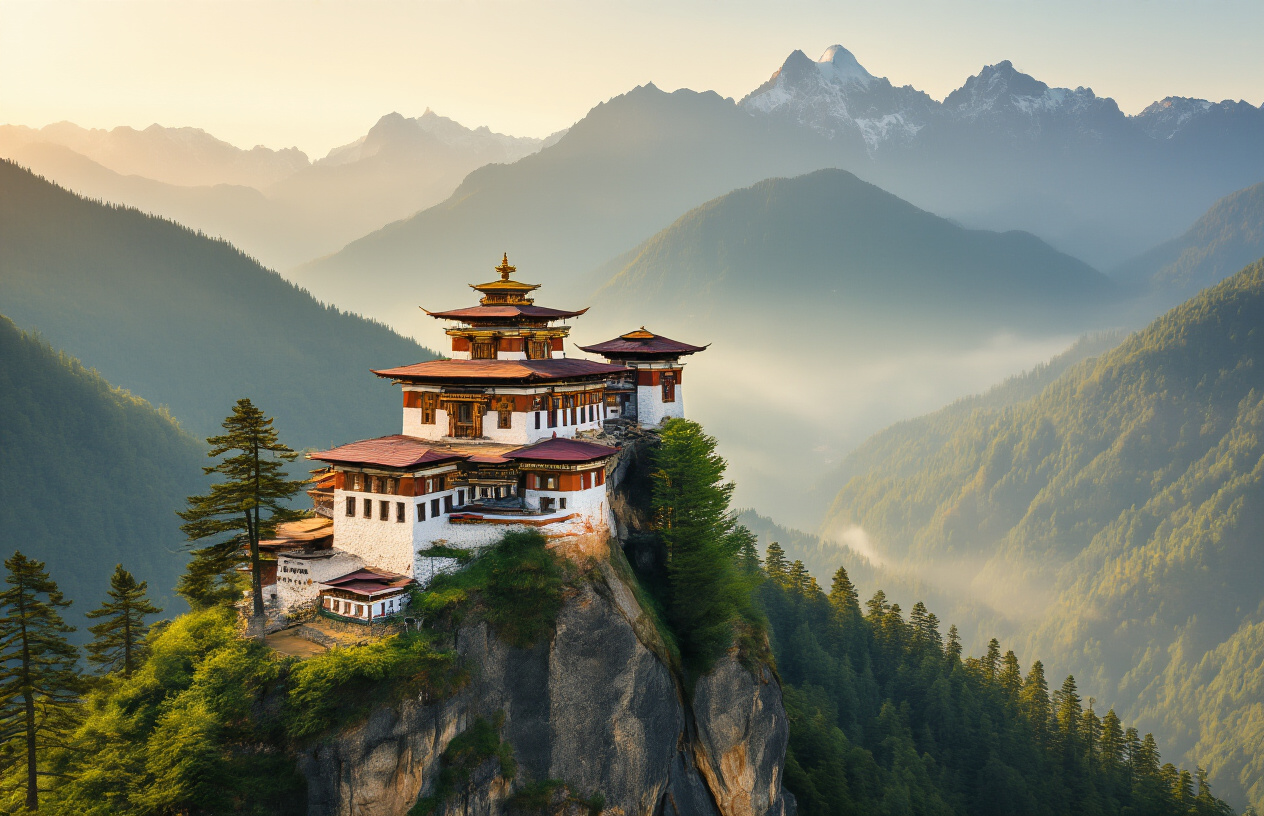
Bhutan doesn’t just talk about sustainability — it actually absorbs more carbon than it produces. Forests cover over 70% of the country, and the constitution legally protects that number from dropping below 60%. For eco-conscious travelers, that alone makes Bhutan travel worth serious consideration.
Experience a Culture That Prioritizes Happiness Over GDP
Bhutan measures national success through Gross National Happiness, not economic output. This philosophy shapes everything — from how villages are built to how tourism is managed. You’ll notice it in the unhurried pace of daily life, the warmth of locals, and the deep respect for tradition. Bhutanese culture feels genuinely lived-in, not performed for visitors.
Explore a Land Where Nature Remains Untouched
Bhutan’s tourism policy deliberately limits visitor numbers, which means the landscapes you’ll walk through look nothing like over-touristed destinations. Snow-capped Himalayan peaks, dense pine forests, and pristine river valleys greet you at nearly every turn. Wildlife like snow leopards and black-necked cranes still thrive here because habitat destruction simply isn’t tolerated.
For anyone building a Bhutan travel guide or planning their first Bhutan itinerary, this rare combination of ecological integrity and cultural depth makes it genuinely unlike anywhere else on Earth.
Understanding Bhutan’s High-Value Low-Impact Tourism Policy
What the Sustainable Development Fee Covers for Visitors
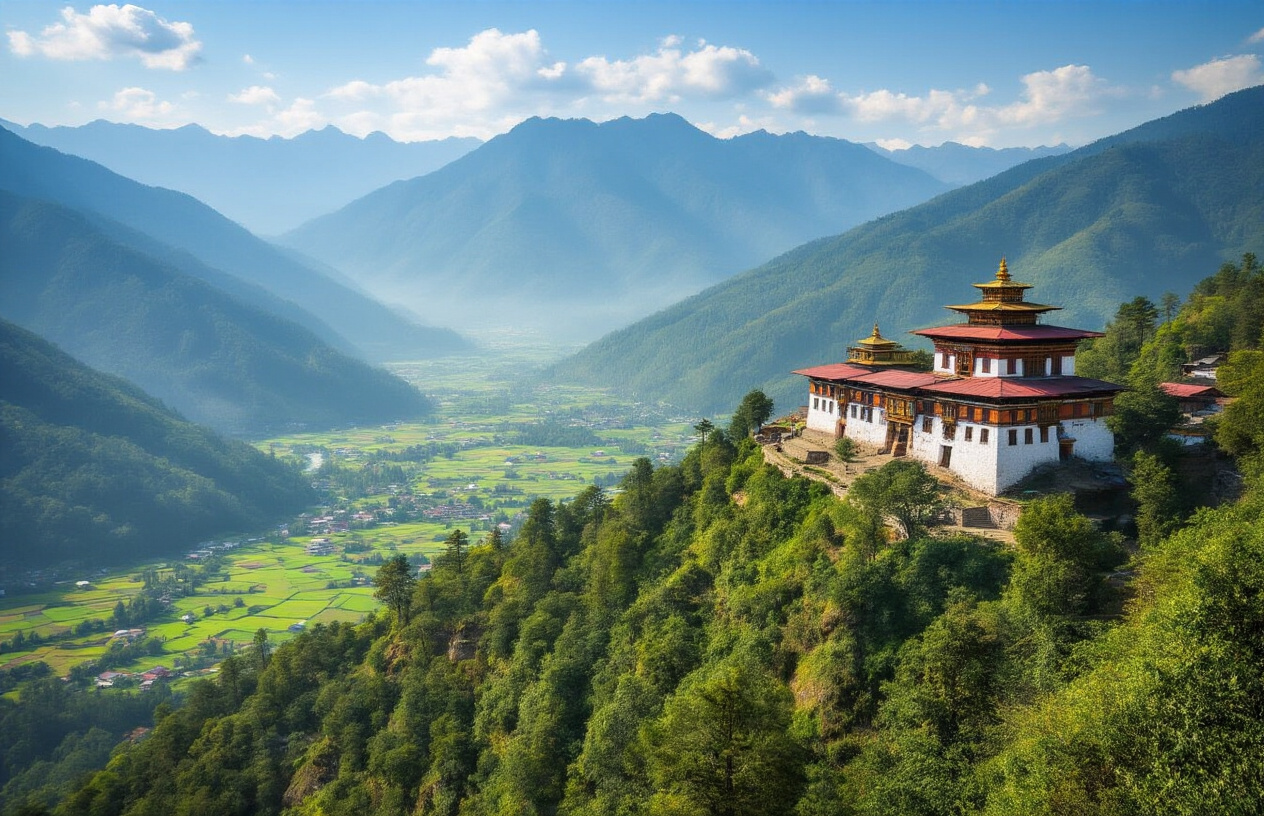
Bhutan’s tourism policy requires visitors to pay a Sustainable Development Fee (SDF) of $100 per person per night. This fee directly funds free healthcare, education, and infrastructure for Bhutanese citizens — essentially, your trip helps maintain the country’s legendary quality of life.
How This Policy Keeps Bhutan Crowd-Free and Authentic
Unlike overrun destinations, Bhutan’s Bhutan tourism policy deliberately limits mass tourism. The result? No selfie-stick crowds at Tiger’s Nest, no souvenir shops drowning out monastery bells. You experience Bhutan as it actually is — genuinely preserved, not staged for tourists.
What You Get in Return for Your Travel Investment
| Included Benefits | Details |
|---|---|
| Accommodation | 3-star minimum certified hotels |
| Meals | Three meals daily |
| Transport | Private in-country vehicle |
| Guide | Licensed, English-speaking guide |
| Monument fees | All entry fees covered |
Your Bhutan travel guide experience essentially comes pre-packaged with serious value built in.
Tips for Booking Through a Licensed Tour Operator
- Only book through Tourism Council of Bhutan-licensed operators
- Verify your operator’s license number on the official TCB website
- Book 3–6 months ahead, especially around festival seasons
- Ask operators directly what’s excluded — visa fees and international flights are always separate costs
Must-Visit Spots in the Paro Valley
Trek to the Iconic Tiger’s Nest Monastery for Breathtaking Views
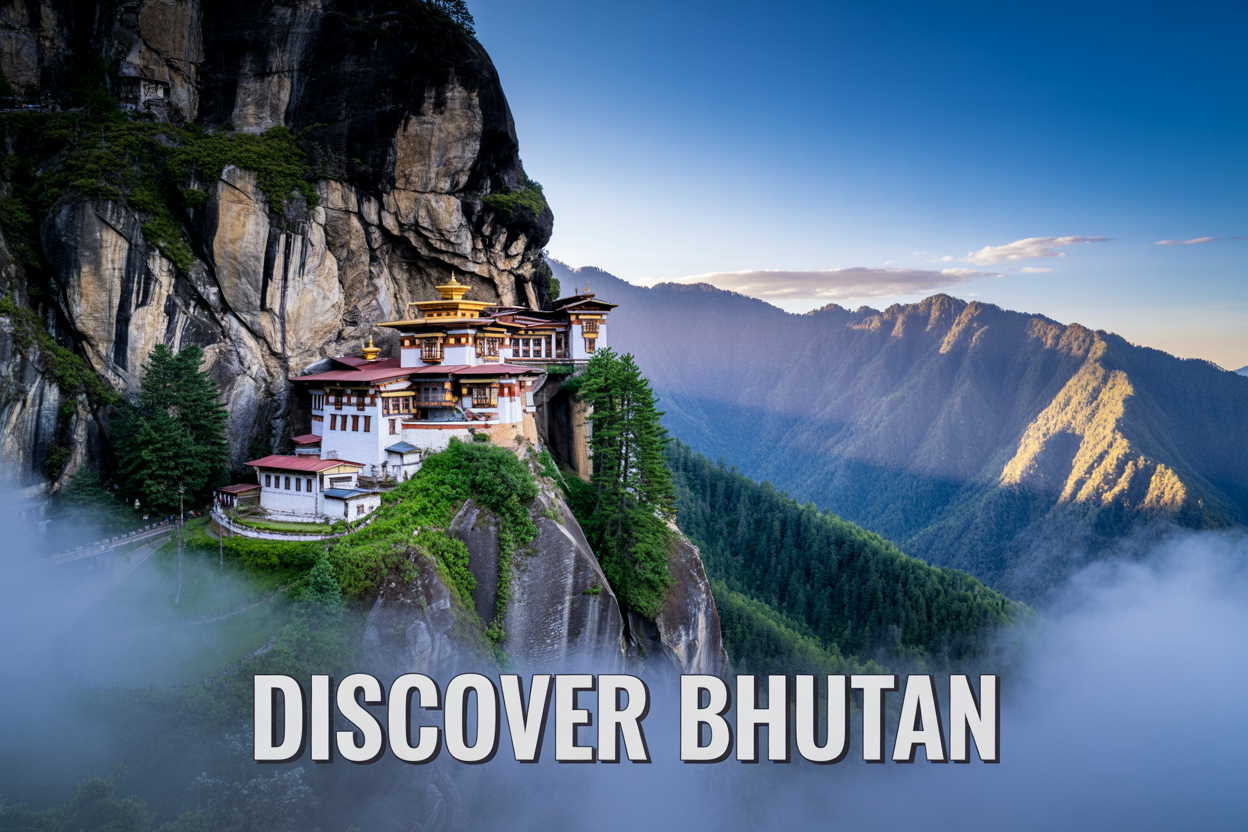
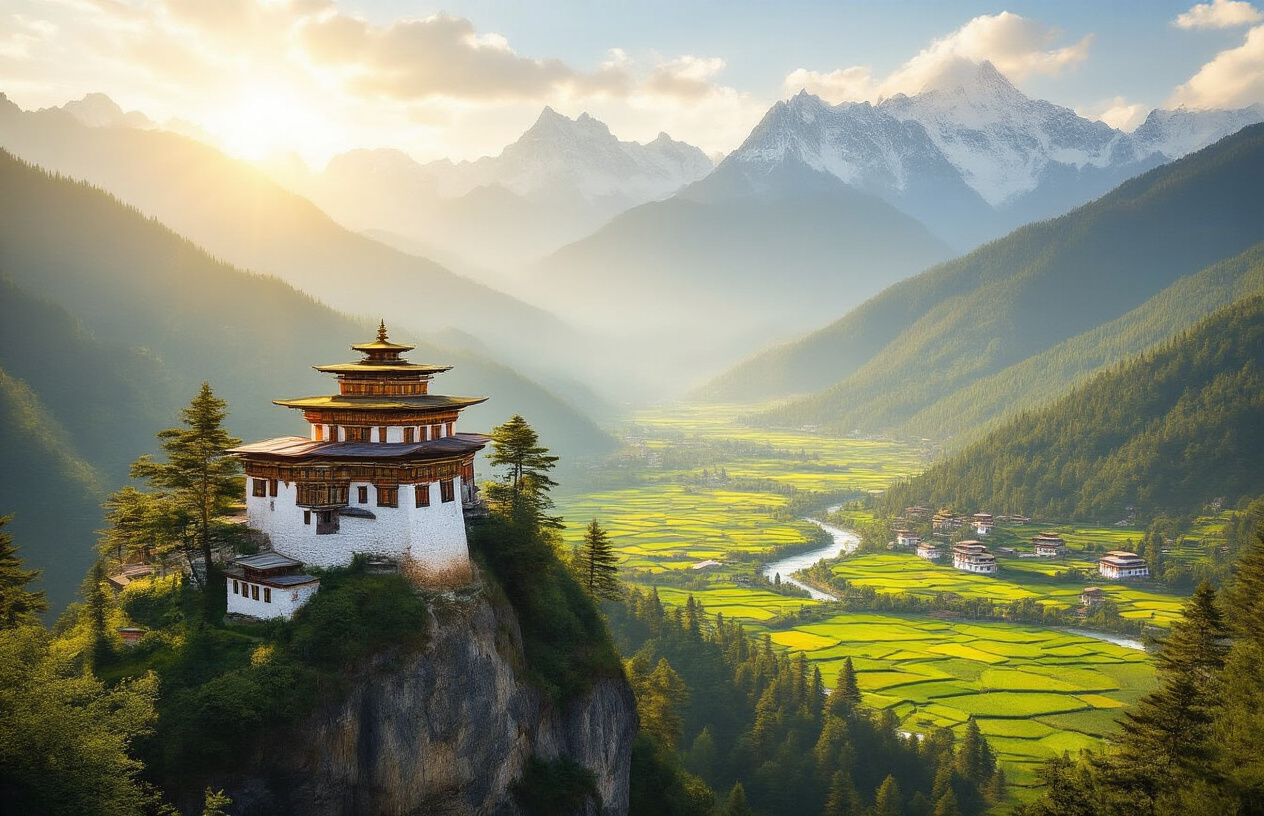
Perched 3,000 feet above the Paro Valley, Paro Taktsang — better known as Tiger’s Nest — is the crown jewel of any Bhutan travel guide. The 4–5 hour round-trip hike winds through pine forests filled with prayer flags, rewarding you with jaw-dropping views at every turn. Start early to avoid midday heat, and stop at the halfway cafeteria for butter tea and a legendary panorama.
Explore the Ancient Ruins of Drukgyel Dzong
Built in 1649 to celebrate Bhutan’s victory over Tibetan invaders, Drukgyel Dzong now stands as a hauntingly beautiful ruin after a fire in 1951. On clear days, Chomolhari peak frames the backdrop perfectly — bring a camera. This spot rarely gets crowded, making it one of the quieter Paro Valley attractions worth carving time for.
Visit Paro Dzong for Stunning Architecture and History
Paro Dzong, officially called Rinpung Dzong, sits above the Paro River like something straight out of a fairy tale. It doubles as a monastery and administrative center, blending religious and civic life seamlessly. The annual Paro Tsechu festival transforms the courtyard into a vibrant celebration of masked dances — timing your Bhutan itinerary around it is absolutely worth it.
Top Attractions to Explore in Thimphu
See the World’s Largest Seated Buddha at Buddha Dordenma
Sitting at 169 feet tall, Buddha Dordenma is genuinely jaw-dropping. This golden statue overlooks the entire Thimphu valley, and the views from the hilltop alone make the trip worthwhile. Inside, there are over 100,000 smaller Buddha statues — the sheer scale of it is hard to wrap your head around until you’re standing right there.
Immerse Yourself in Local Life at the Weekend Market
The Weekend Market along the Wang Chhu riverbank runs Friday through Sunday and is where Thimphu feels most alive. Farmers bring fresh produce, vendors sell dried chilies, yak cheese, and incense, and locals haggle in Dzongkha. Skip the tourist shops and spend time here instead.
Learn Bhutanese History at the National Museum of Bhutan
Opened in 2023 in a purpose-built facility, the National Museum gives a clear, well-curated look at Bhutan’s art, ecology, and royal history. It’s one of the best Thimphu sightseeing stops for understanding the country’s culture before heading into the valleys.
Witness Living Traditions at Tashichho Dzong
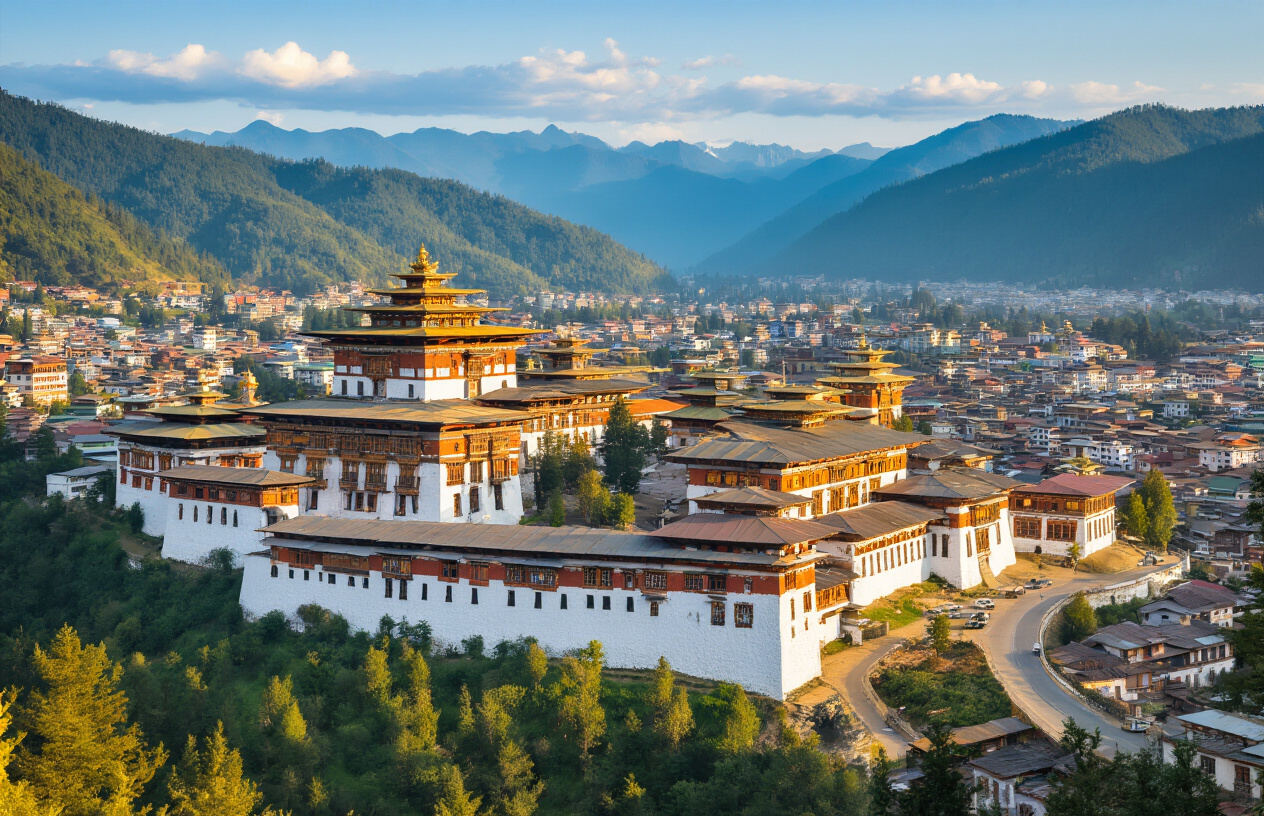
This fortress-monastery is the seat of Bhutan’s government and a working religious center. Monks in maroon robes move through its whitewashed courtyards daily — it’s best visited late afternoon when the light is golden and the energy is calm.
Hidden Gems Worth Adding to Your Itinerary
Find Peace and Solitude in the Punakha Valley
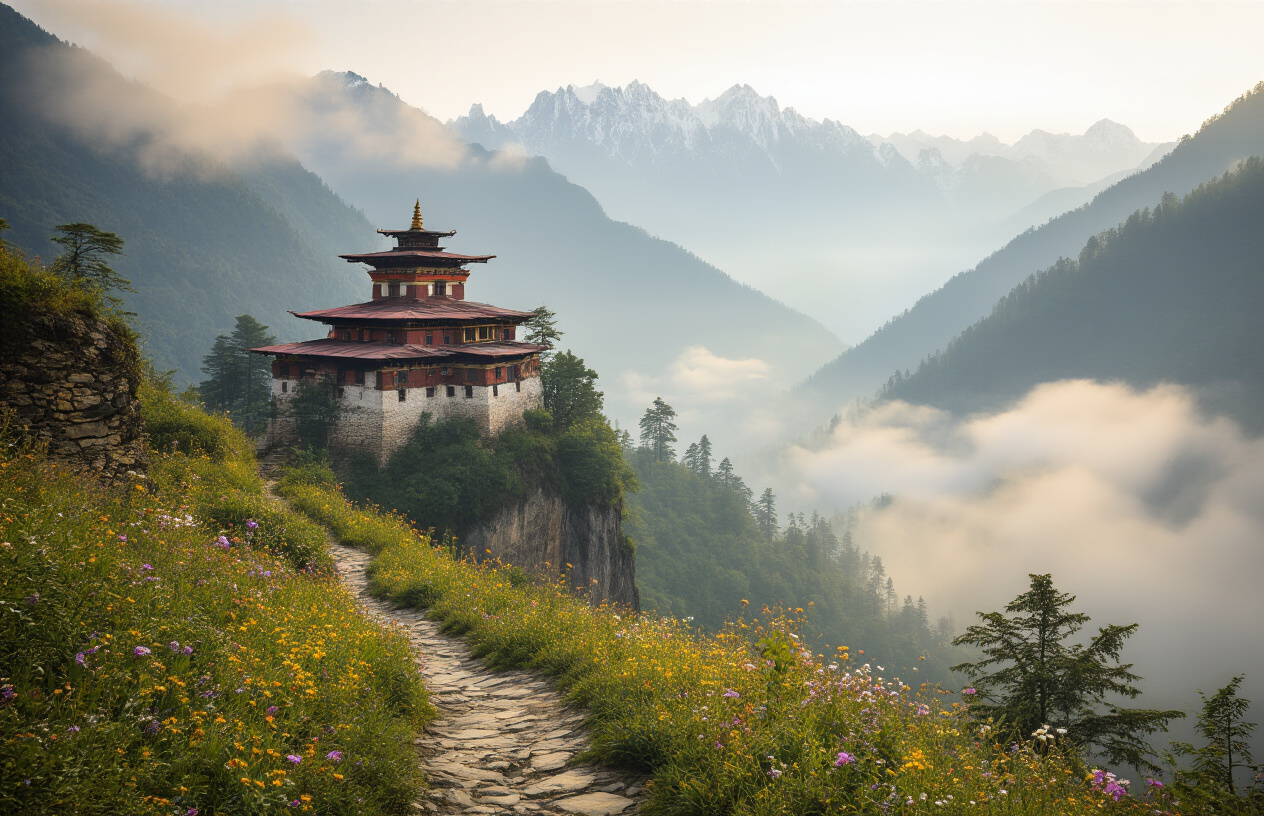
Punakha feels like Bhutan’s best-kept secret. Warmer and lower than most regions, it shelters rice paddies, jacaranda trees, and the jaw-dropping Punakha Dzong — a fortress sitting right where two rivers meet. Walk across the longest suspension bridge in Bhutan for sweeping valley views that genuinely stop you mid-step.
Discover the Sacred Chimi Lhakhang Fertility Temple
Tucked across paddy fields outside Lobesa village, Chimi Lhakhang is dedicated to the Divine Madman, Drukpa Kunley. Couples hoping to start families make pilgrimages here from across Bhutan and beyond. The 30-minute walk through farmland to reach it is half the experience.
Experience Raw Nature in the Phobjikha Valley
This glacial valley is one of Bhutan’s widest open spaces — peaceful, windswept, and beautifully unhurried. Black-necked cranes migrate here each winter, and hiking trails loop through dwarf bamboo forests with almost no crowds.
Uncover the Spiritual Energy of Bumthang District
Bumthang is Bhutan’s spiritual heartland, home to ancient temples like Jambay Lhakhang and Kurje Lhakhang. The air here feels different — quieter, older somehow.
Spot the Rare Black-Necked Cranes at Gangtey
Between October and February, Gangtey Monastery overlooks a valley floor dotted with endangered black-necked cranes. Arrive at dusk to watch them land — genuinely one of Bhutan’s most magical wildlife moments.
Best Times to Visit Each Region for Maximum Enjoyment
Spring Months Offer Blooming Rhododendrons Across the Valleys
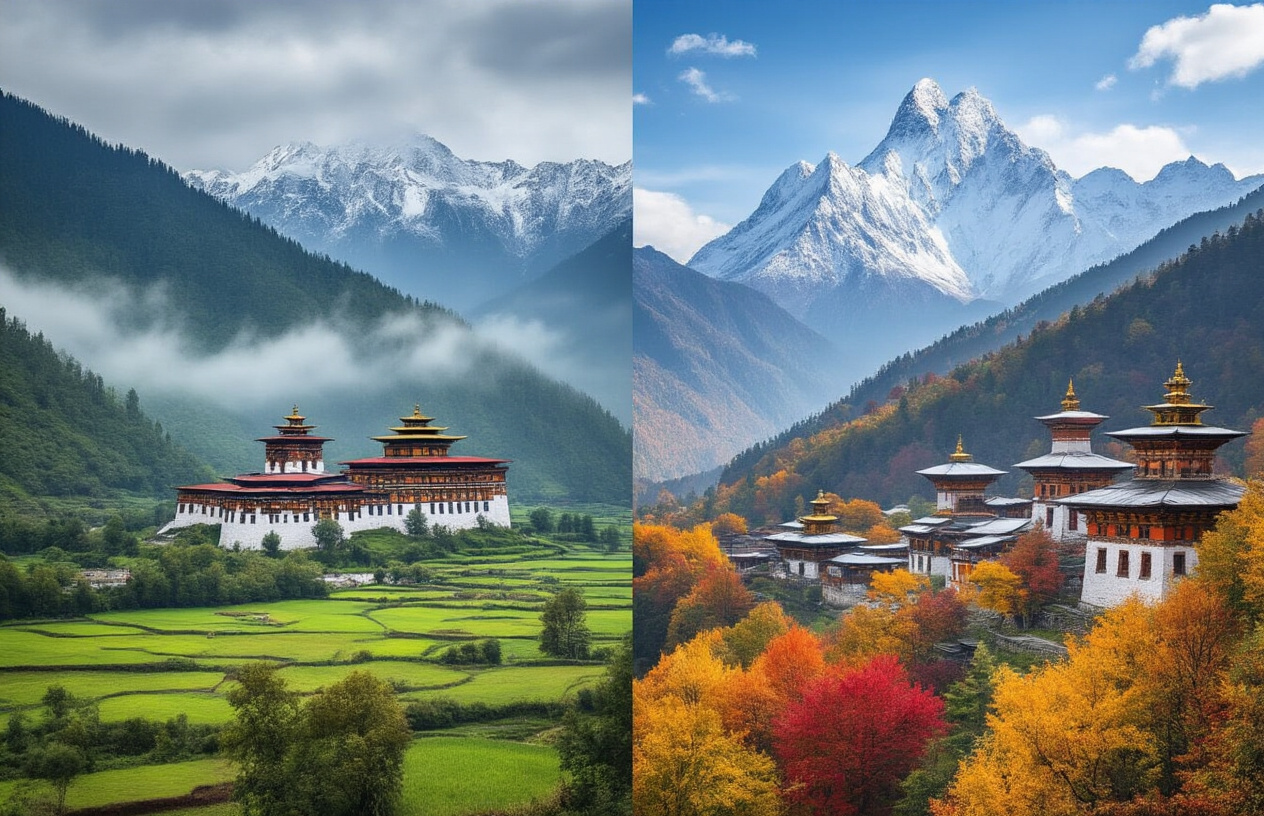
March through May is genuinely magical in Bhutan. The hillsides explode with over 46 species of rhododendrons, painting valleys in shades of red, pink, and white. Temperatures stay comfortable — warm enough to hike without melting, cool enough to sleep well. Paro Valley looks especially stunning during this window, making it one of the best times to visit Bhutan if wildflowers and green landscapes are your thing.
Autumn Brings Clear Skies Ideal for Trekking and Photography
September to November delivers crisp mountain air, razor-sharp visibility, and trails that are dry and easy to navigate. The Himalayas look impossibly close on clear mornings, and photographers consistently rate this as the peak season for good reason. If trekking is part of your Bhutan itinerary, plan around October — conditions simply don’t get better.
Festivals Like Tsechu Transform Any Season Into a Cultural Highlight
| Festival | Location | Typical Timing |
|---|---|---|
| Paro Tsechu | Paro Valley | March–April |
| Thimphu Tsechu | Thimphu | September–October |
| Punakha Drubchen | Punakha | February–March |
Tsechu festivals happen year-round across different dzongs. Catching one reshapes your entire experience — masked dances, vibrant costumes, and deeply spiritual energy make any season worthwhile.
Practical Tips to Make the Most of Your Bhutan Trip
Plan Your Route Around Regions Rather Than Individual Sites
Bhutan’s attractions cluster naturally into valleys and districts. Build your Bhutan itinerary by grouping Paro, Thimphu, and Punakha together first — they’re connected by road and make logical sense as a core loop. Chasing individual sites across the country wastes travel days and adds unnecessary cost to your already-set Sustainable Development Fee.
Pack Appropriately for Altitude Changes Across Different Areas
Bhutan travel tips don’t get more practical than this: elevations shift dramatically between valleys. Thimphu sits at 2,300m; high-altitude treks push past 4,000m.
| Region | Altitude | What to Pack |
|---|---|---|
| Thimphu | ~2,300m | Light layers |
| Paro | ~2,200m | Comfortable walking shoes |
| High trails | 4,000m+ | Thermal base, rain gear |
Always carry a packable down jacket regardless of season.
Respect Local Customs to Enrich Your Cultural Experience
Bhutan’s culture isn’t a backdrop — it’s the whole point. Dress modestly when entering dzongs and monasteries; covering shoulders and knees is non-negotiable. Walk clockwise around religious structures. Ask before photographing locals or monks. Greet people with a slight nod rather than a handshake. Small gestures like these open genuine conversations and make your experience far richer than any guidebook photo.
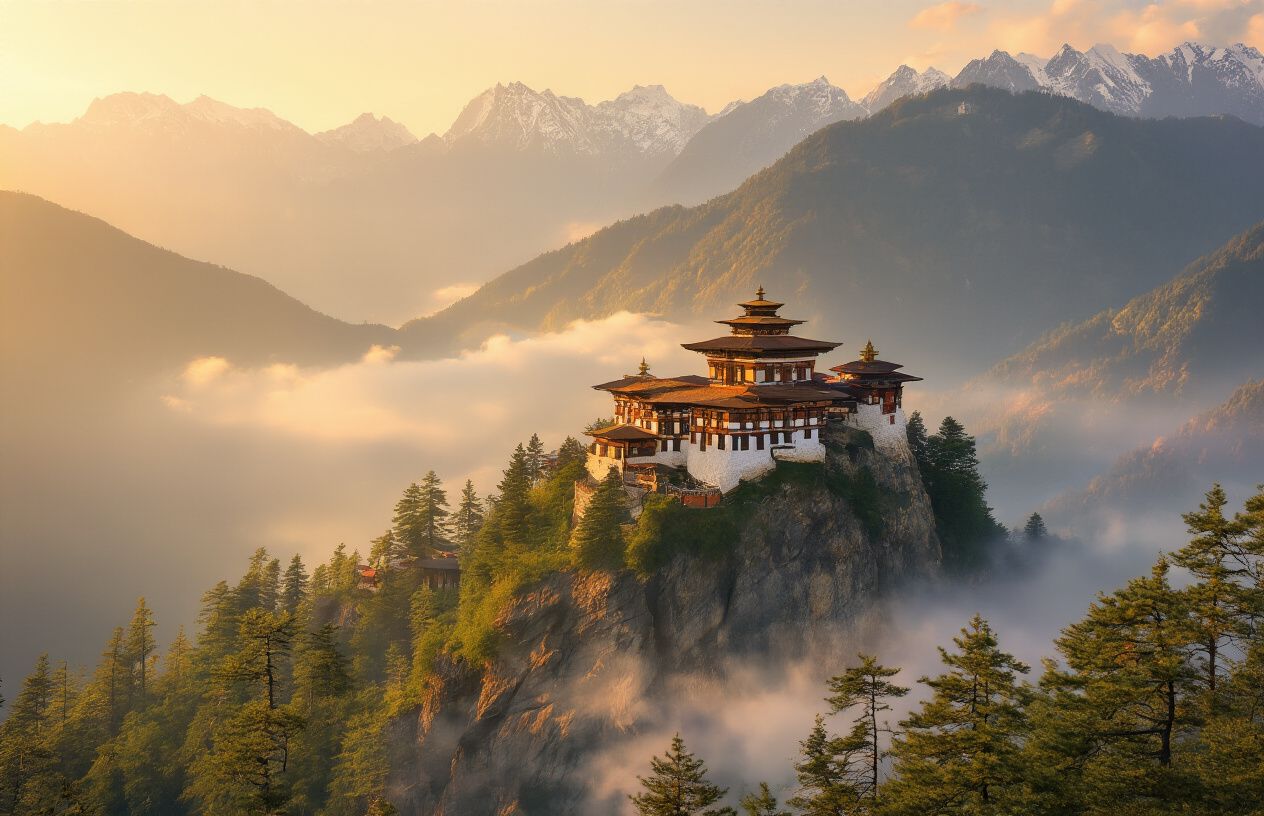
Bhutan is one of those rare destinations where every corner feels like it was made for discovery. From the iconic Tiger’s Nest Monastery perched high above Paro Valley to the vibrant streets of Thimphu, the country packs an incredible range of experiences into one small but mighty destination. The High-Value Low-Impact tourism policy keeps things intentional and meaningful, so every visit genuinely counts — for you and for Bhutan.
With the right timing, a solid plan, and a few insider tips in your back pocket, your Bhutan trip can go from good to truly unforgettable. Start with the highlights, leave room for the hidden gems, and don’t rush the journey. Book your trip, pack your bags, and get ready to fall in love with a place unlike anywhere else on earth.
