
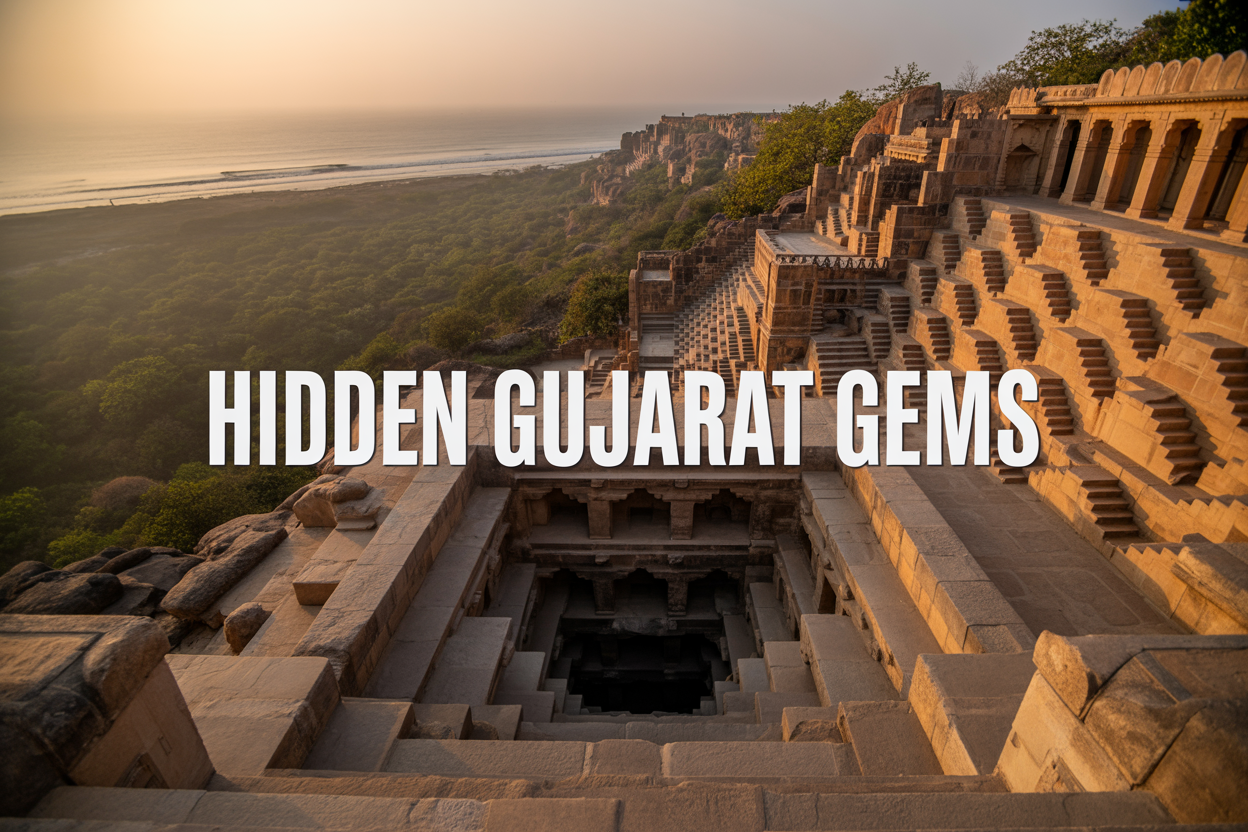
9 Hidden Gujarat Gems You’ve Never Heard Of
Most Gujarat travel guides send you straight to Rann of Kutch, Somnath, and Gir — and yes, those are great. But Gujarat has a whole other side that barely shows up on anyone’s radar.
This guide is for travelers who’ve already done the obvious stops, or who just want to skip the tourist rush entirely and find something real. If you like showing up somewhere and feeling like you actually discovered it, you’re in the right place.
We’re covering hidden gems of Gujarat that range from jaw-dropping ancient history — like Dholavira, a 5,000-year-old city that predates most of human civilization as we know it — to offbeat places in Gujarat like Lakhpat, a ghost town that once controlled Arabian Sea trade routes and now sits almost completely forgotten. We’ll also get into unexplored Gujarat travel territory like Polo Forest, a wilderness area that most people drive right past without a second glance.
These aren’t obscure for no reason — some are genuinely hard to reach, some just never got their moment. Either way, they’re worth the detour.
Let’s get into it.
Dholavira: Walk Through a 5,000-Year-Old Forgotten City
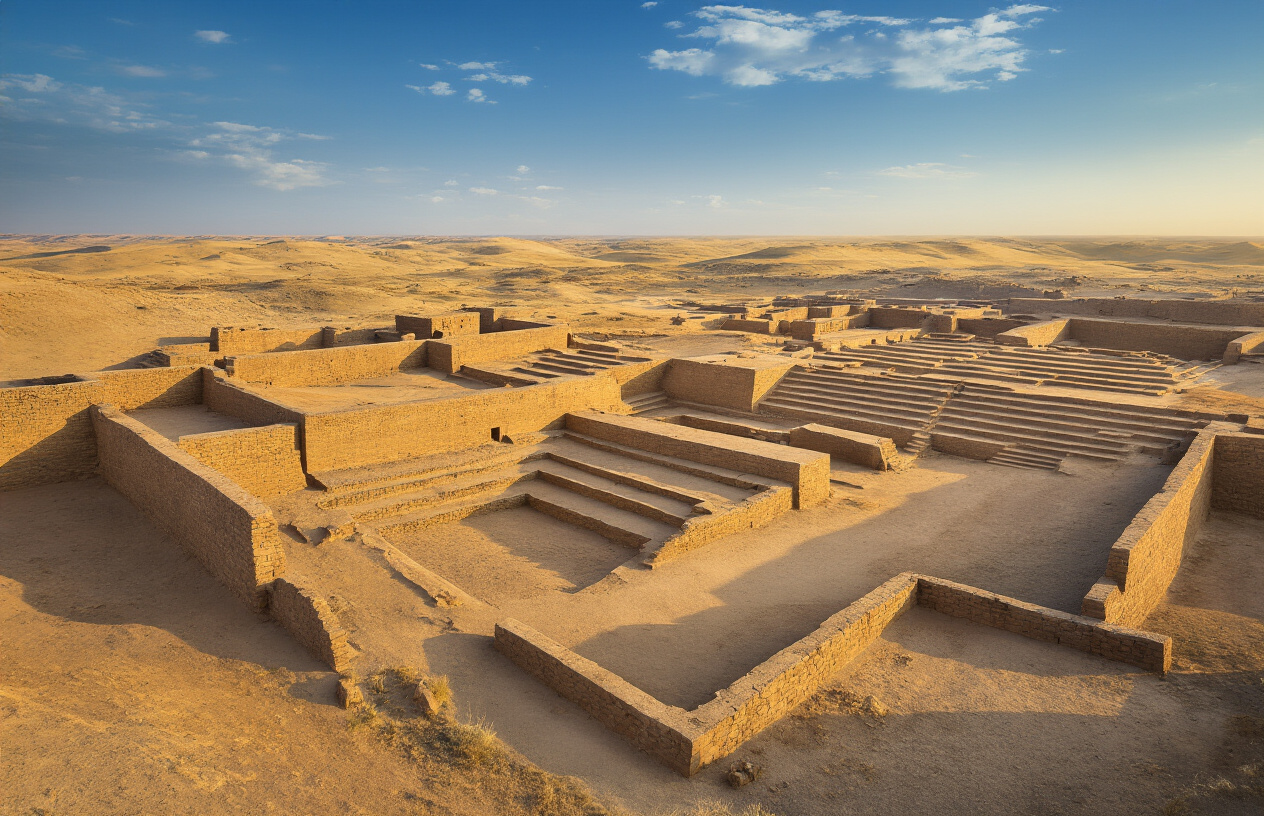
Explore the Ancient Indus Valley Ruins Few Tourists Visit
Dholavira sits quietly on Khadir Island in the Rann of Kutch, and most people have absolutely no idea it exists. This UNESCO World Heritage Site is one of the largest Indus Valley Civilization settlements ever discovered — a full-blown city with sophisticated water reservoirs, stadium-like public spaces, and a multi-tiered layout that puts modern urban planning to shame. Walking through its mud-brick ruins feels genuinely surreal, like the city just paused mid-breath 5,000 years ago. Unlike Mohenjo-daro, you won’t fight crowds here — on most days, you’ll practically have the ruins to yourself.
Best Time to Visit for a Crowd-Free Experience
| Season | Experience |
|---|---|
| October – February | Cool, pleasant, ideal for walking the ruins |
| March – April | Warm but manageable; fewer tourists |
| May – September | Extreme heat; roads may flood during monsoon |
Winter is your sweet spot for exploring this offbeat place in Gujarat without sweating through your clothes.
How to Reach This Remote Archaeological Wonder
The nearest airport is Bhuj, roughly 250 km away. From Bhuj, hire a private cab — public transport options are scarce. Budget 5–6 hours for the drive across stunning salt desert landscapes. Staying overnight in Dholavira village is highly recommended; the night sky alone is worth it.
Polo Forest: Discover Gujarat’s Most Underrated Wilderness
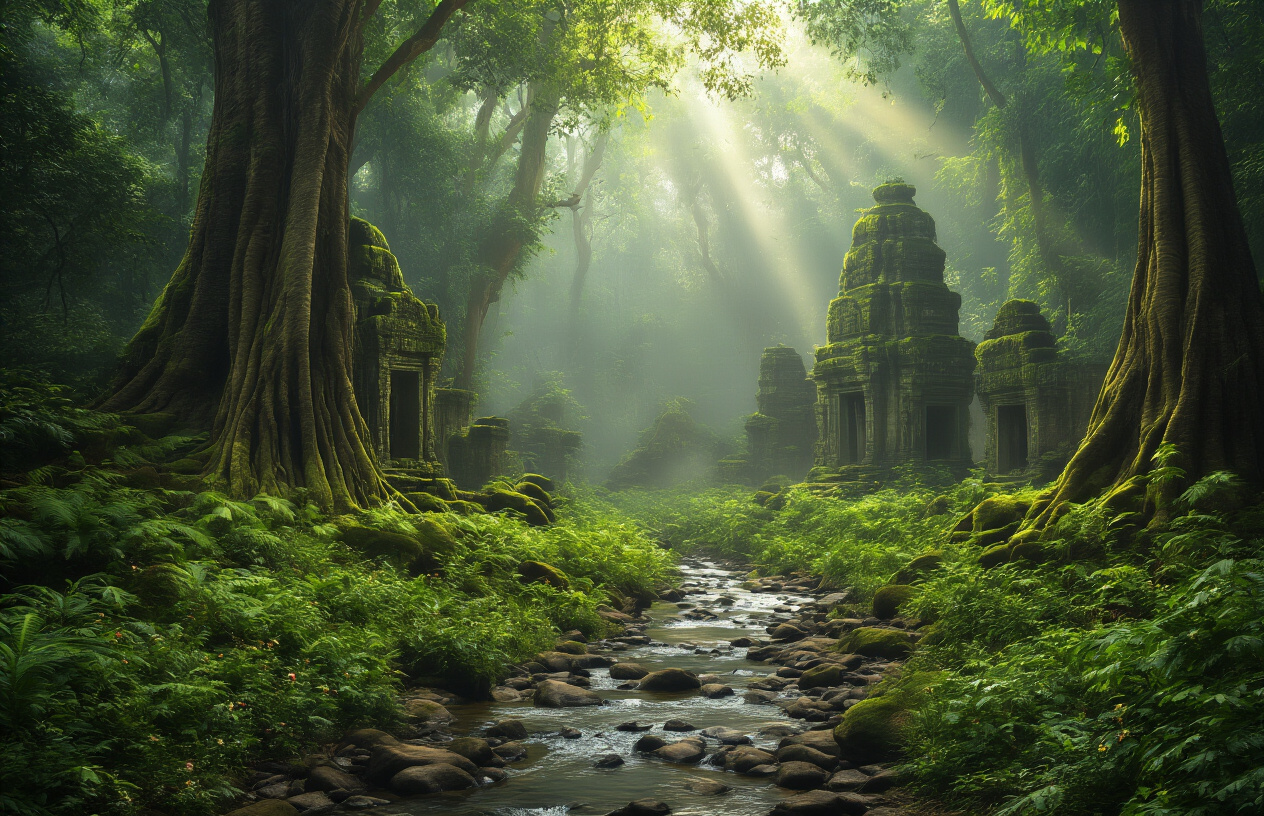
Uncover Ancient Temples Hidden Deep in the Forest
Tucked away in the Aravalli hills of northern Gujarat, Polo Forest is one of those offbeat places in Gujarat that rewards anyone curious enough to venture off the typical tourist trail. Within its dense canopy sit clusters of 10th to 15th-century Jain and Hindu temples, many half-reclaimed by roots and creepers. The Sharneshwar Mahadev temple and the intricate carvings at Hatheshwar make you feel like you’ve stumbled onto a movie set — except no one else is around.
The forest actually gets its unusual name from the nearby village, Polo, not any sport. Local guides can walk you through ruins that aren’t even marked on most maps, making this one of the most genuinely unexplored Gujarat travel experiences available.
Wildlife and Nature Trails That Will Leave You Speechless
Polo Forest Gujarat wilderness spans roughly 400 square kilometers, sheltering leopards, hyenas, sloth bears, and over 275 bird species. The Harnav River winds through the forest, creating gorgeous spots for birdwatching at dawn.
Marked trails range from easy riverside walks to more demanding hill treks. October through February offers the best weather and highest wildlife activity, making it the perfect escape for anyone chasing lesser known places in Gujarat.
Mandvi Beach: A Pristine Coastal Escape Away from the Crowds
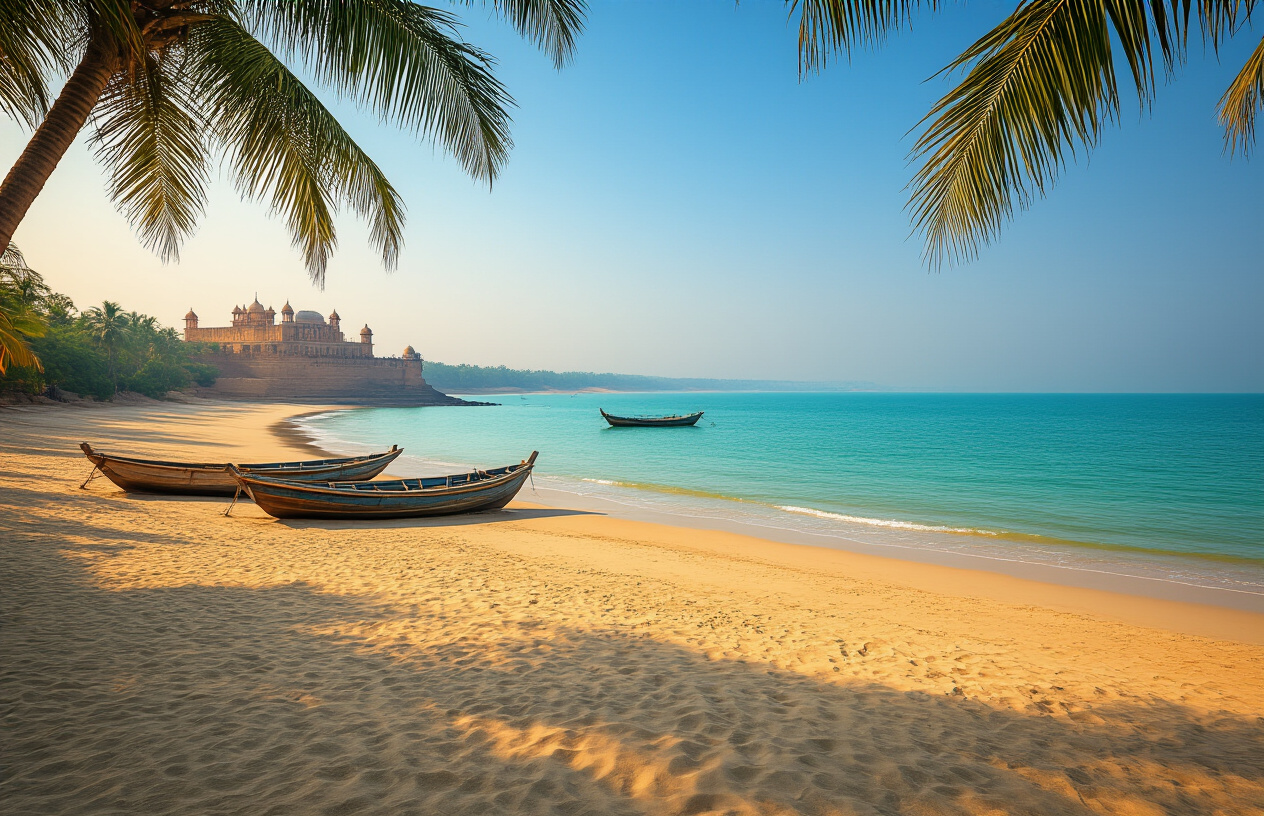
Enjoy Camel Rides and Kite Surfing on Empty Shores
Mandvi’s shoreline stretches wide and golden, with barely a tourist in sight. Camel rides here feel genuinely unhurried, not touristy. The real surprise? A thriving kite-surfing scene that draws wind chasers who know exactly what they’ve found. October through February brings steady coastal winds, perfect for beginners and seasoned riders alike.
Visit the Maharaja’s Summer Palace Right by the Sea
Vijay Vilas Palace sits dramatically on a private beach, built in 1929 for the Maharao of Kutch. The Indo-Saracenic architecture is stunning, and the rooftop gives you sweeping Arabian Sea views. Parts of Hum Dil De Chuke Sanam were filmed here — so yes, it’s cinematic in every sense.
Best Local Seafood Spots You Must Not Miss
Skip the resort restaurants. Head to the small dhabas near the boat yard for the freshest catch.
| Dish | Why Order It |
|---|---|
| Kharek Prawn Curry | Sweet-spicy local specialty |
| Stuffed Pomfret | Grilled fresh from morning boats |
| Crab Masala | Rich, coastal Kutchi flavors |
How to Plan a Perfect Day Trip from Bhuj
Mandvi sits just 60 km from Bhuj — roughly 90 minutes by road. Start early, visit the palace by 9 AM before crowds trickle in, spend midday at the beach, and wrap up with sunset seafood.
Champaner-Pavagadh: A UNESCO Gem Hiding in Plain Sight
Stunning Mosque Architecture That Rivals Famous Landmarks
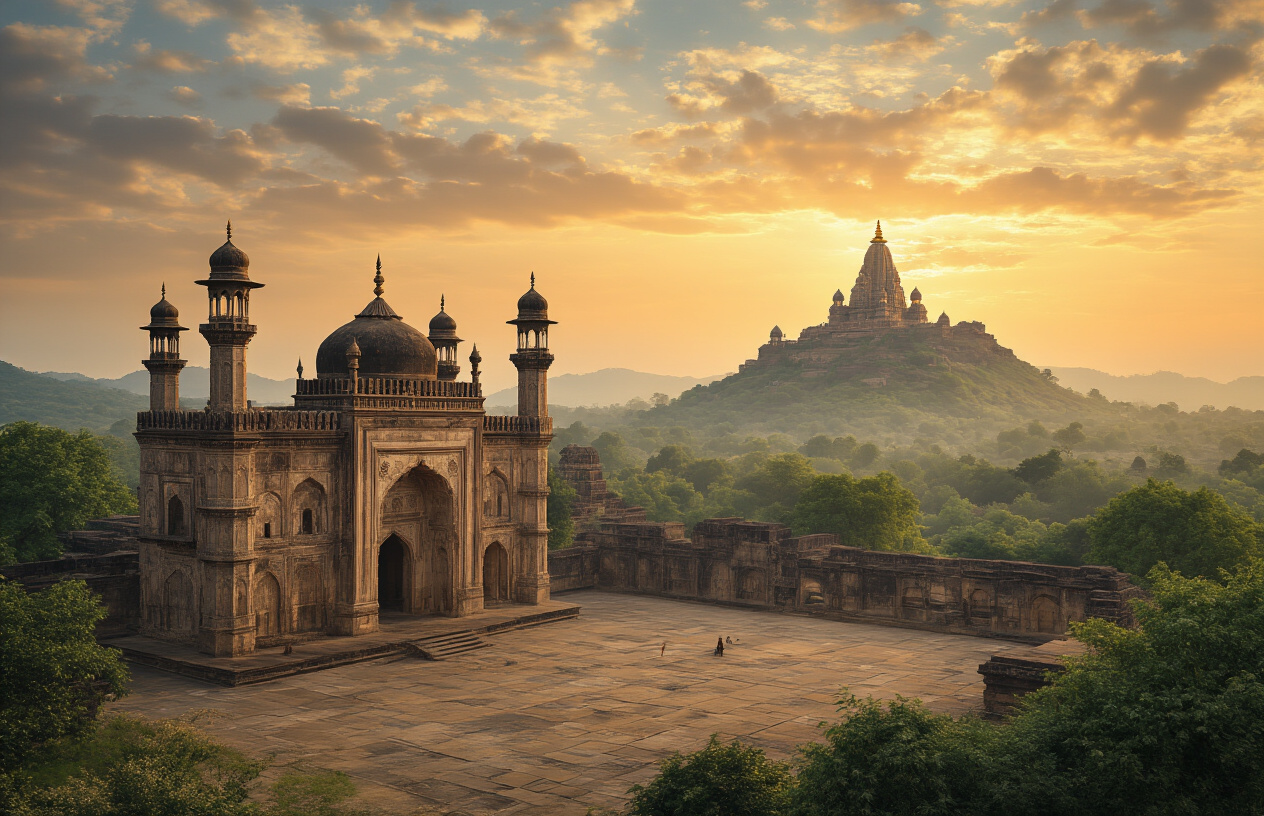
Champaner-Pavagadh holds one of India’s best-kept secrets — a medieval city frozen in the 15th century. The Jama Masjid here is genuinely jaw-dropping, blending Hindu and Islamic architectural styles in ways you simply won’t find anywhere else. Intricate latticed windows, soaring minarets, and carved stone details make this mosque a serious rival to more celebrated landmarks that get all the tourist traffic.
Trek to Pavagadh Hill for Breathtaking Panoramic Views
The Pavagadh hill trek rewards every drop of sweat. Pilgrims and adventure seekers climb through dense forest and ancient ruins to reach the Mahakali Temple perched at the summit. A ropeway handles the final stretch if you’d rather save your legs. From the top, the entire Champaner landscape spreads out below you — ruined palaces, mosque domes, green hills rolling into the distance. Pure magic.
Why History Lovers Must Add This to Their Bucket List
This Champaner-Pavagadh UNESCO site packs an incredible punch for anyone obsessed with history. Unlike crowded heritage spots, you can actually wander quietly through royal enclosures, step wells, and fortification walls without bumping into tour groups. For anyone hunting hidden gems of Gujarat, this is the site that consistently delivers more than expected — every single visit.
Narayan Sarovar: A Sacred Lake Almost No One Talks About
Spiritual Significance That Rivals More Famous Pilgrimage Sites
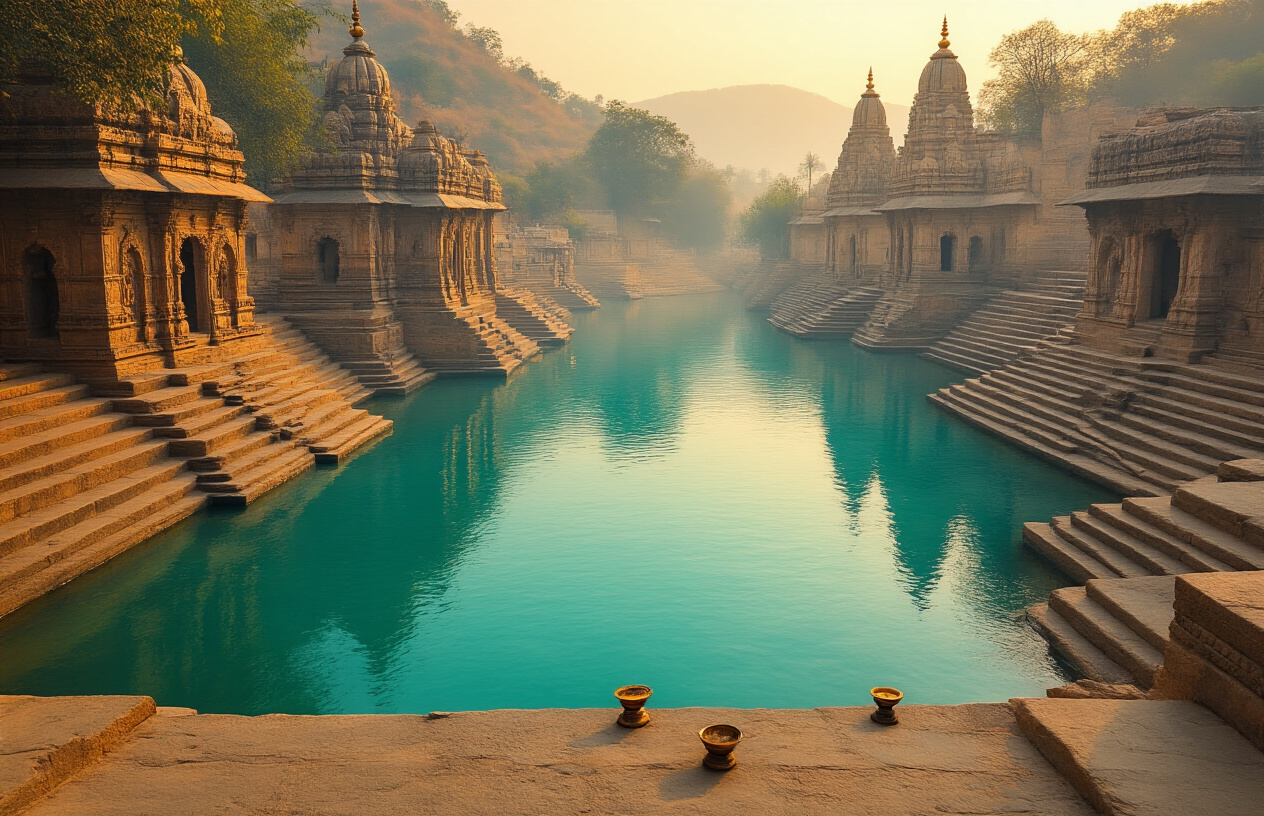
Tucked into Gujarat’s remote Kutch district, Narayan Sarovar sits near the Pakistani border — far from the tourist trail, yet deeply sacred to Hindus across India. This isn’t a new discovery. Ancient texts place it among the five holiest lakes in Hindu tradition, alongside Pushkar and Mansarovar. The lake complex houses several old temples dedicated to Vishnu, Shiva, and various local deities, many dating back centuries.
Pilgrims who make the journey here — and it is a journey — often describe a quiet, almost electric sense of peace. Unlike Dwarka or Somnath, there’s no commercial buzz drowning out the spiritual atmosphere. Just rippling water, temple bells, and open sky.
Rare Bird Species That Make It a Wildlife Haven
What surprises most visitors is how Narayan Sarovar doubles as a serious birdwatching destination. The surrounding wetlands and scrublands attract an impressive range of species, especially during winter months.
| Bird Type | When to Spot |
|---|---|
| Greater Flamingo | November – February |
| Indian Skimmer | Winter months |
| Sarus Crane | Year-round |
| Painted Stork | October – March |
This combination of spiritual depth and wildlife richness makes Narayan Sarovar one of the most genuinely offbeat places in Gujarat worth planning around.
Gir Forest Backroads: Experience Wildlife Beyond the Main Safari
Secret Trails Where You Can Spot Asiatic Lions Undisturbed
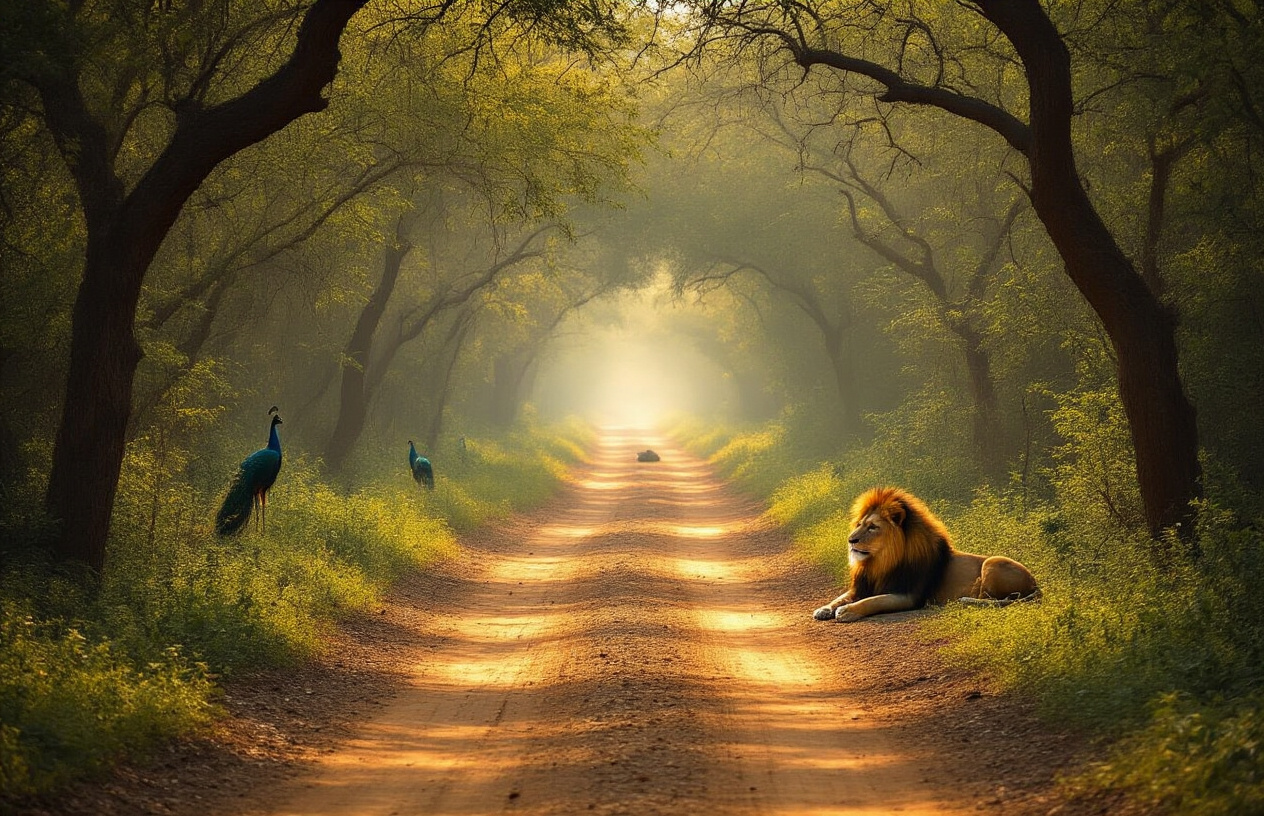
Most visitors crowd the designated Sasan Gir safari zones, but the real magic happens on the forest’s quieter fringes. The Devalia Safari Park offers a smaller, more intimate circuit where lion sightings are nearly guaranteed without the jeep traffic. Early morning walks near the Hiran River corridor also reward patient visitors with raw, unscripted wildlife moments.
Lesser-Known Villages Around Gir Worth Exploring
The Maldhari tribal communities living on Gir’s edges are among Gujarat’s best-kept secrets. Villages like Visavadar and Mendarda sit just outside the forest boundary, offering an authentic glimpse into pastoral life that has coexisted with lions for centuries. Local families often share stories about living alongside big cats that no safari guide will tell you.
Insider Tips for Booking Off-Beat Safari Experiences
| Tip | Details |
|---|---|
| Book directly | Contact forest department (not third-party apps) for permit availability |
| Best timing | Pre-dawn slots (6–9 AM) see peak lion activity |
| Zone selection | Zones 1, 2, and 3 are less crowded than popular Zone 9 |
| Night stays | Gir Jungle Lodge offers guided nature walks unavailable to day visitors |
Always carry binoculars — leopards hide in the acacia trees most safari-goers completely ignore.
Aina Mahal, Bhuj: A Palace Frozen in Time After the Earthquake
Marvel at Mirror-Work Architecture Found Nowhere Else in India
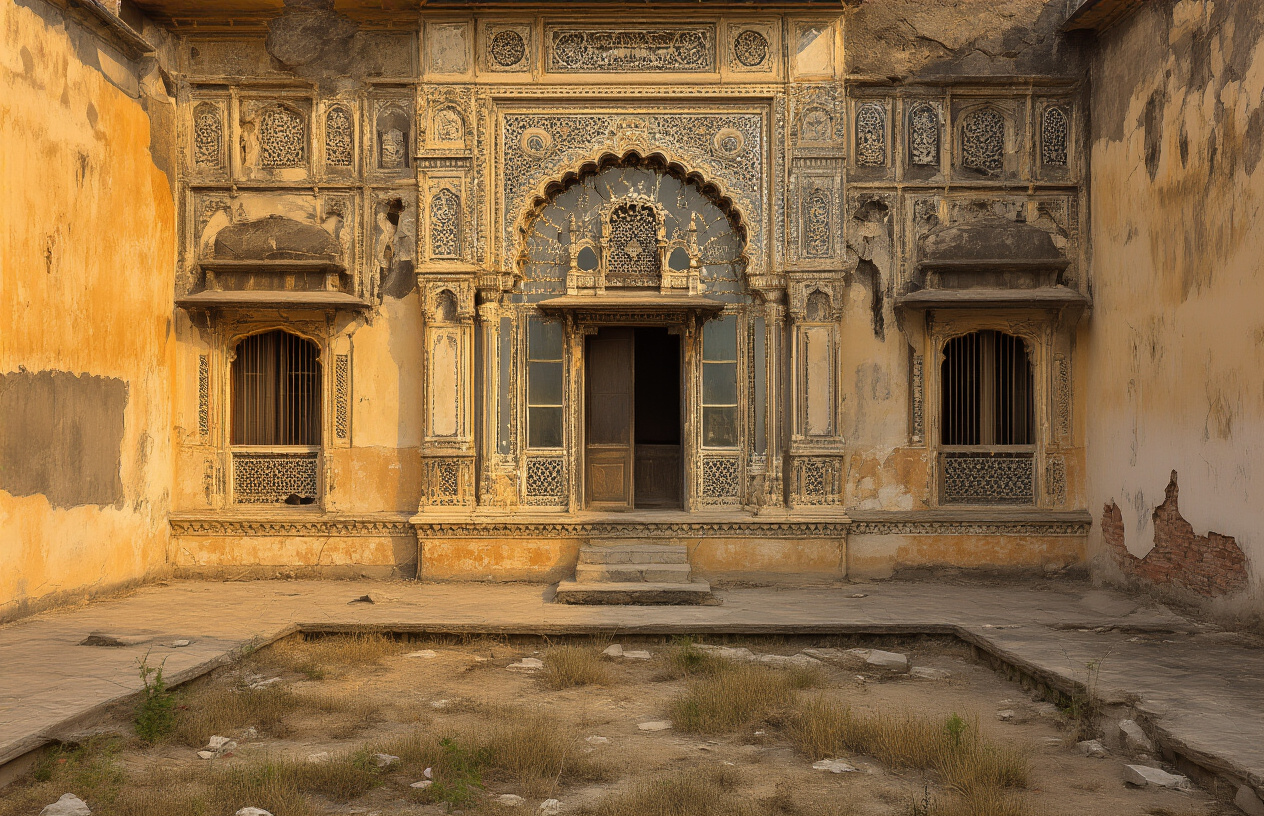
Aina Mahal’s interior is genuinely jaw-dropping. Built in the 18th century by Rao Lakhpatji, the palace features floor-to-ceiling mirror mosaics, Venetian glass panels, and gilded tilework that creates a kaleidoscopic effect unlike anything you’ll find elsewhere in India. The craftsman Ramsingh Malam, who trained in Europe, brought Dutch glass-making techniques back to Kutch — and the results feel like a fever dream of East-meets-West opulence.
Fascinating Royal Artifacts That Tell a Compelling Story
The museum houses an eclectic collection: royal portraits, ivory furniture, porcelain figurines, mechanical toys, and even early European clocks. Each artifact reveals how Kutch’s rulers blended local traditions with foreign influences through active trade networks across the Arabian Sea.
How the 2001 Earthquake Transformed This Historic Monument
The devastating 2001 earthquake cracked walls, shattered irreplaceable mirror panels, and partially collapsed sections of the palace. Restoration work continues, and some rooms remain closed. Visiting today means witnessing both the palace’s original grandeur and its visible scars — which honestly makes the experience more moving, not less.
Nearby Bhuj Attractions to Pair With Your Visit
| Attraction | Distance from Aina Mahal | Highlight |
|---|---|---|
| Prag Mahal | 2-minute walk | Gothic Italian architecture |
| Bhujia Fort | 3 km | Panoramic city views |
| Kutch Museum | 1 km | Oldest museum in Gujarat |
Shamlaji: A Pilgrimage Town With Surprising Ancient Treasures
Rare Sculptures and Artwork Hidden Inside the Main Temple
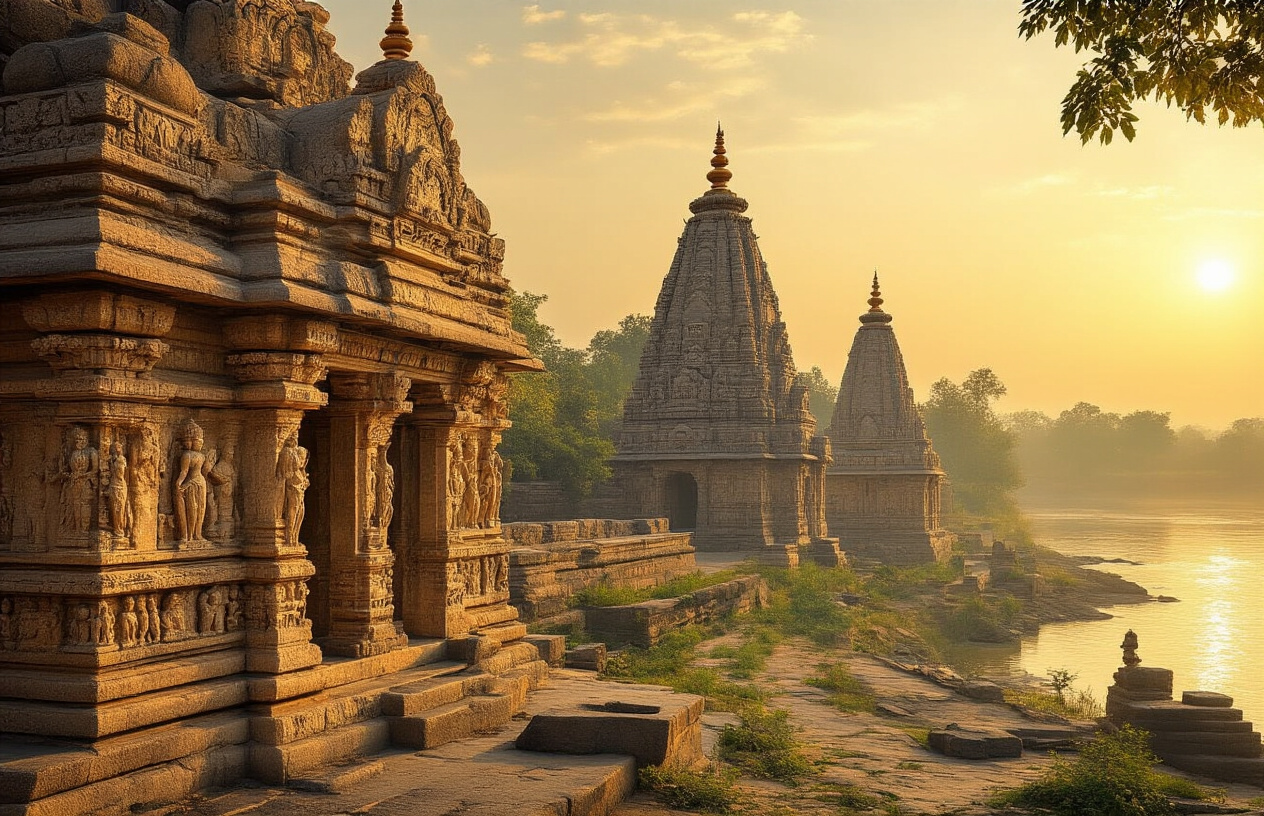
Shamlaji’s Shri Shamlaji temple holds something most visitors completely overlook — an extraordinary collection of ancient Vishnu sculptures dating back to the 8th and 9th centuries. The archaeological museum nearby houses over 3,000 recovered artifacts from excavations along the Meshwo River, including rare Pratihara-style stone carvings you simply won’t find anywhere else in Gujarat. Serious art lovers and history buffs will feel like they’ve stumbled onto a secret.
The Riverside Setting That Makes It Uniquely Peaceful
The temple sits right along the banks of the Meshwo River, creating a genuinely calming atmosphere that feels a world away from Gujarat’s busier pilgrimage circuits. Early mornings here are magical — mist rising off the water, soft chanting drifting from the temple, and almost no crowds. It’s the kind of quiet that actually recharges you.
Best Local Markets to Explore Tribal Handicrafts
Shamlaji’s weekly market draws Bhil and Garasia tribal communities from surrounding villages, making it one of the best spots in the region to find authentic handicrafts.
| What to Look For | Why It’s Special |
|---|---|
| Tribal silver jewelry | Handcrafted by local Bhil artisans |
| Embroidered textiles | Unique regional patterns |
| Clay pottery | Traditional riverside craft |
Lakhpat: A Ghost Town That Once Ruled the Arabian Sea Trade
Walk Along Ancient Fortress Walls With Zero Crowds
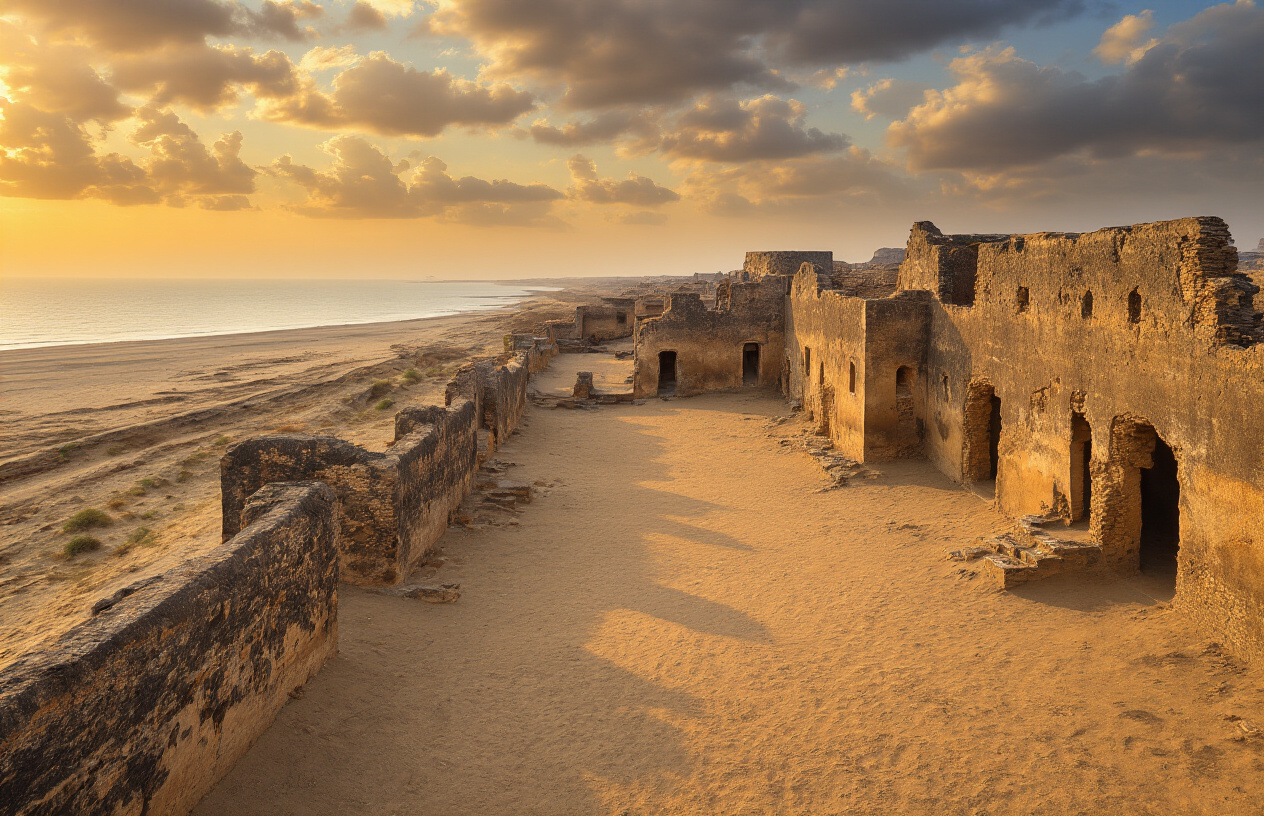
Lakhpat’s 7-kilometer fortified wall stretches along the Rann of Kutch like something out of a forgotten era — and almost nobody walks it. You’ll likely have the entire rampart to yourself, with sweeping views of the salt flats on one side and crumbling old havelis on the other. This Lakhpat ghost town Gujarat experience feels genuinely cinematic without the tourist crowds to interrupt it.
The Gurdwara That Connects Sikh History to This Remote Town
Tucked inside the fort walls is Gurdwara Lakhpat Sahib, one of Sikhism’s most historically significant shrines. Guru Nanak Dev Ji reportedly stopped here during his travels to Mecca, making this a deeply revered site. Pilgrims do visit, but the remoteness keeps numbers low — you’ll find a peaceful, quietly spiritual atmosphere rather than a buzzing tourist scene.
How a Natural Disaster Turned a Thriving Port Into a Ghost Town
Lakhpat once controlled Arabian Sea trade routes, generating enormous wealth in the 18th century. Then the 1819 Rann of Kutch earthquake dramatically shifted the course of the Indus River, cutting off Lakhpat’s water supply and strangling its port. Ships stopped coming. Merchants left. The town simply… emptied. Today it stands as one of Gujarat’s most haunting and least-visited hidden gems.
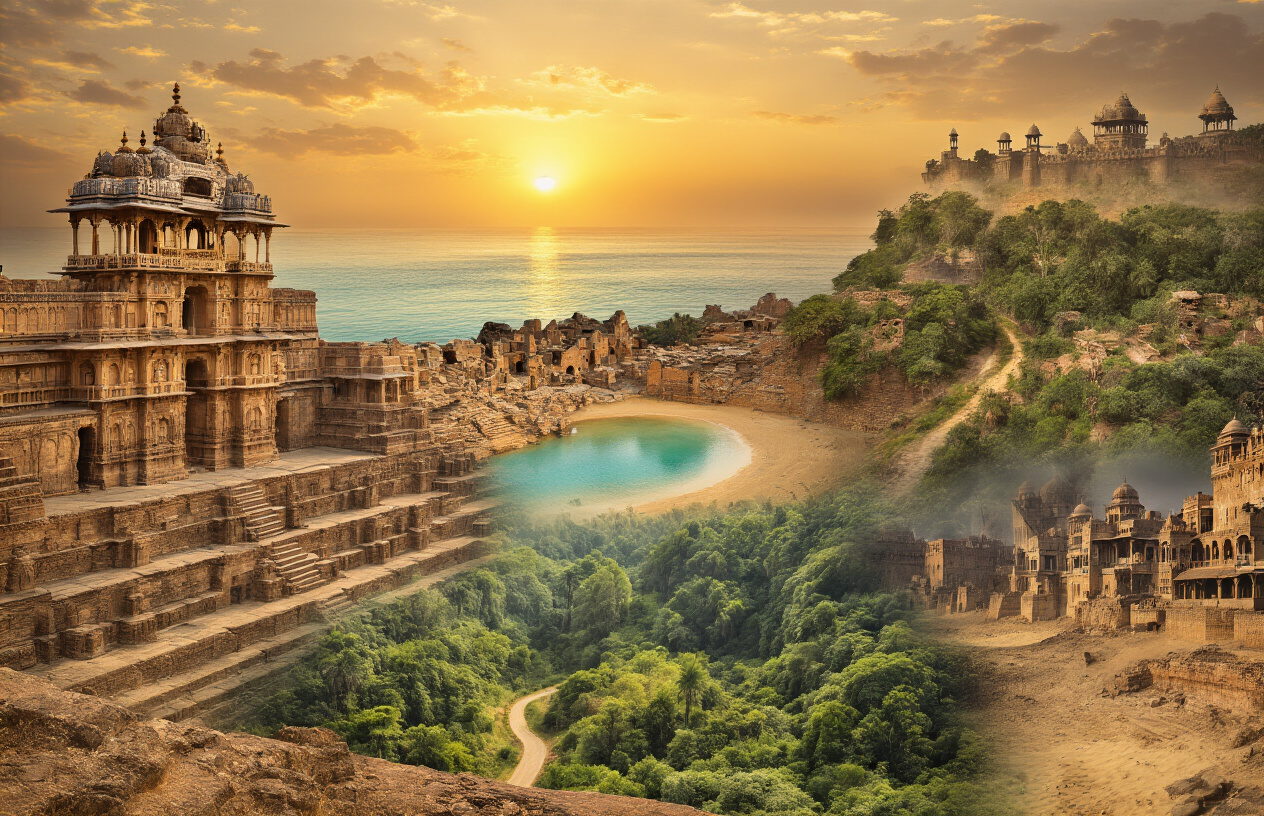
Gujarat has so much more to offer than the usual tourist trail, and these nine places prove exactly that. From walking through the ruins of Dholavira’s ancient city to standing at the edge of Lakhpat’s forgotten walls, every single spot on this list carries a story that most people never get to hear. Polo Forest, Mandvi Beach, Narayan Sarovar, Champaner-Pavagadh — these aren’t just destinations, they’re experiences that stay with you long after you’ve packed your bags and headed home.
The best part? These places aren’t crawling with crowds, which means you actually get to enjoy them. So skip the overplanned itinerary this time and take a road less traveled through Gujarat. Pick one of these hidden gems, book that trip, and go discover a side of this incredible state that most travelers completely miss out on.
