

How to Explore Japan on Your First Trip From India
Japan feels like a completely different world — and that’s exactly why it’s worth every bit of planning it takes to get there. If you’re an Indian traveler heading to Japan for the first time, you probably have a long list of questions: Where do I start? Will I find vegetarian food? How do I get around without speaking Japanese?
This Japan travel guide for Indians answers all of that in one place.
Whether you’re a solo backpacker, a couple on a honeymoon, or a family planning a big trip, this guide breaks down everything you need to know before you land. We’ll walk you through the must-visit destinations that actually live up to the hype, share practical tips on navigating Japan as a tourist without feeling lost, and show you how to travel Japan on a budget without cutting corners on experience.
No fluff, no overwhelm — just a clear, honest roadmap to help you make the most of your first trip to Japan from India.
Plan Your Trip From India to Japan With Confidence
Choose the Best Time of Year to Visit Japan
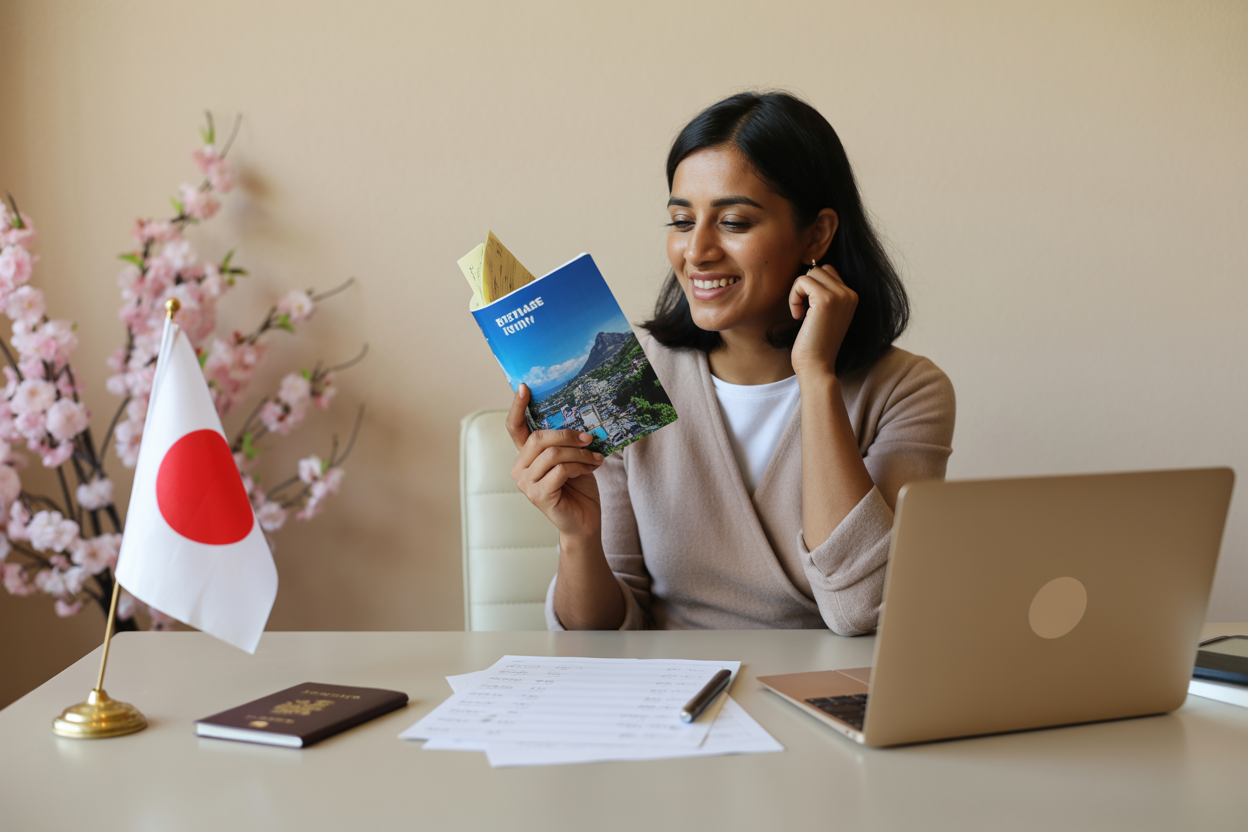
Japan has four distinct seasons, and each one offers something different. March to May (cherry blossom season) and October to November (autumn foliage) are the most popular — and for good reason. If crowds and prices concern you, January or February works well for budget travelers, though it gets cold.
Understand Visa Requirements for Indian Passport Holders
Japan requires a tourist visa for Indian passport holders. You’ll need to apply at the Japanese Embassy or consulate in India. Key documents include:
| Requirement | Details |
|---|---|
| Passport validity | 6+ months |
| Bank statement | Last 3–6 months |
| Flight & hotel bookings | Confirmed itineraries |
| Visa fee | ~₹1,000–1,500 |
Processing typically takes 5–7 business days.
Find the Most Affordable Flights From India to Japan
Direct flights from Mumbai or Delhi to Tokyo run ₹35,000–₹65,000 round trip. Booking 2–3 months early and flying with Air India, ANA, or connecting carriers via Singapore or Bangkok keeps costs manageable.
Set a Realistic Travel Budget for Your First Trip
A comfortable Japan travel budget from India sits around ₹1.5–2.5 lakhs for 10 days, covering flights, accommodation, food, and transport.
Must-Visit Destinations for First-Time Visitors
Discover the Magic of Tokyo as Your Starting Point
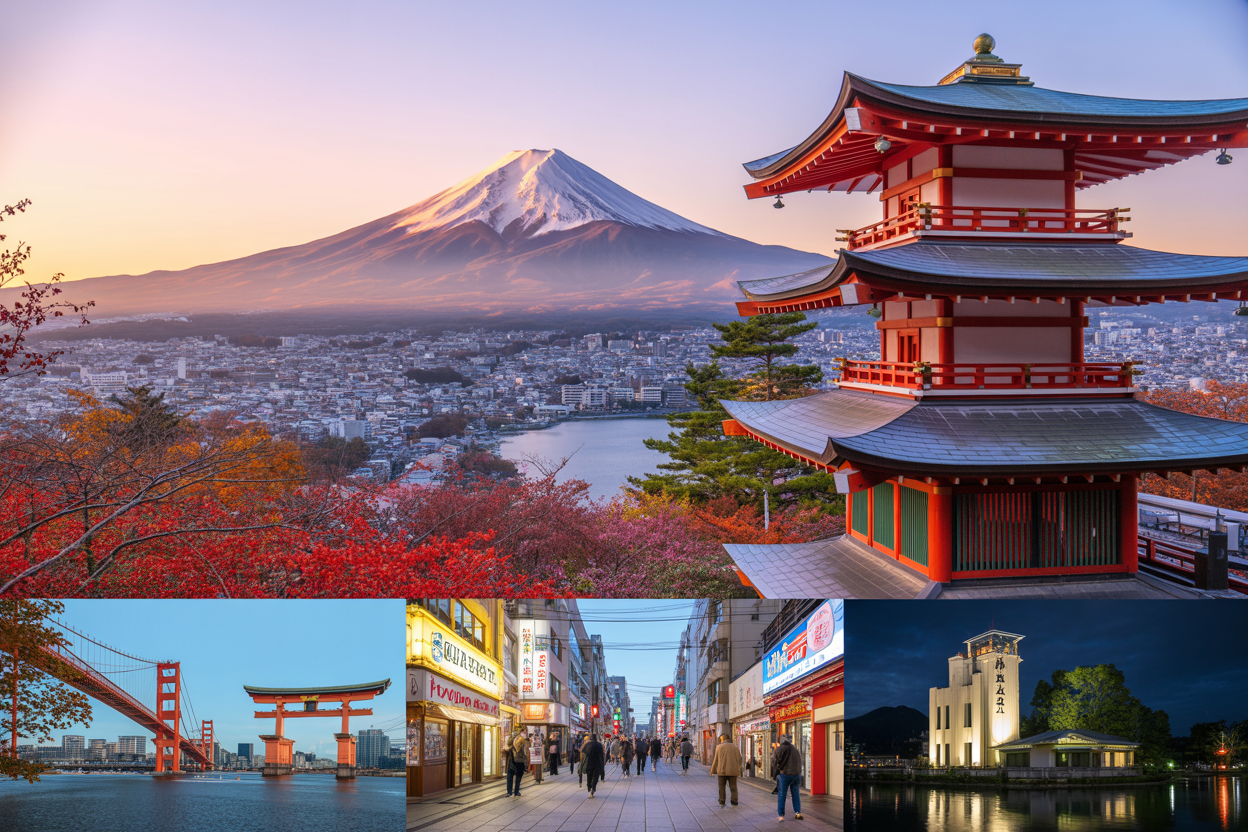
Tokyo is the perfect entry point for your first trip to Japan from India. Start with Shinjuku for its buzzing streets and shopping, then head to Asakusa to see the iconic Senso-ji Temple. Shibuya’s famous scramble crossing is a must—cross it at least once. Spend a day in Harajuku for quirky fashion and try crepes along Takeshita Street.
Experience the Cultural Heart of Japan in Kyoto
Kyoto is where Japan’s soul lives. The golden Kinkaku-ji temple, the thousands of torii gates at Fushimi Inari, and the geisha district of Gion will genuinely take your breath away. Walk through the Arashiyama bamboo grove early morning before the crowds arrive—it’s magical. Kyoto is one of the best places to visit in Japan, especially if history and tradition excite you.
Explore the Deer Parks and Ancient Temples of Nara
Nara sits just 45 minutes from Kyoto and deserves at least half a day. Hundreds of freely roaming deer greet you the moment you arrive—they’ll bow for crackers! Todai-ji Temple houses Japan’s largest bronze Buddha statue, which is genuinely jaw-dropping. Nara feels calm compared to Tokyo, making it a perfect contrast on your itinerary.
Navigate Japan Easily as an Indian Traveler
Master the Japan Rail Pass to Save Time and Money
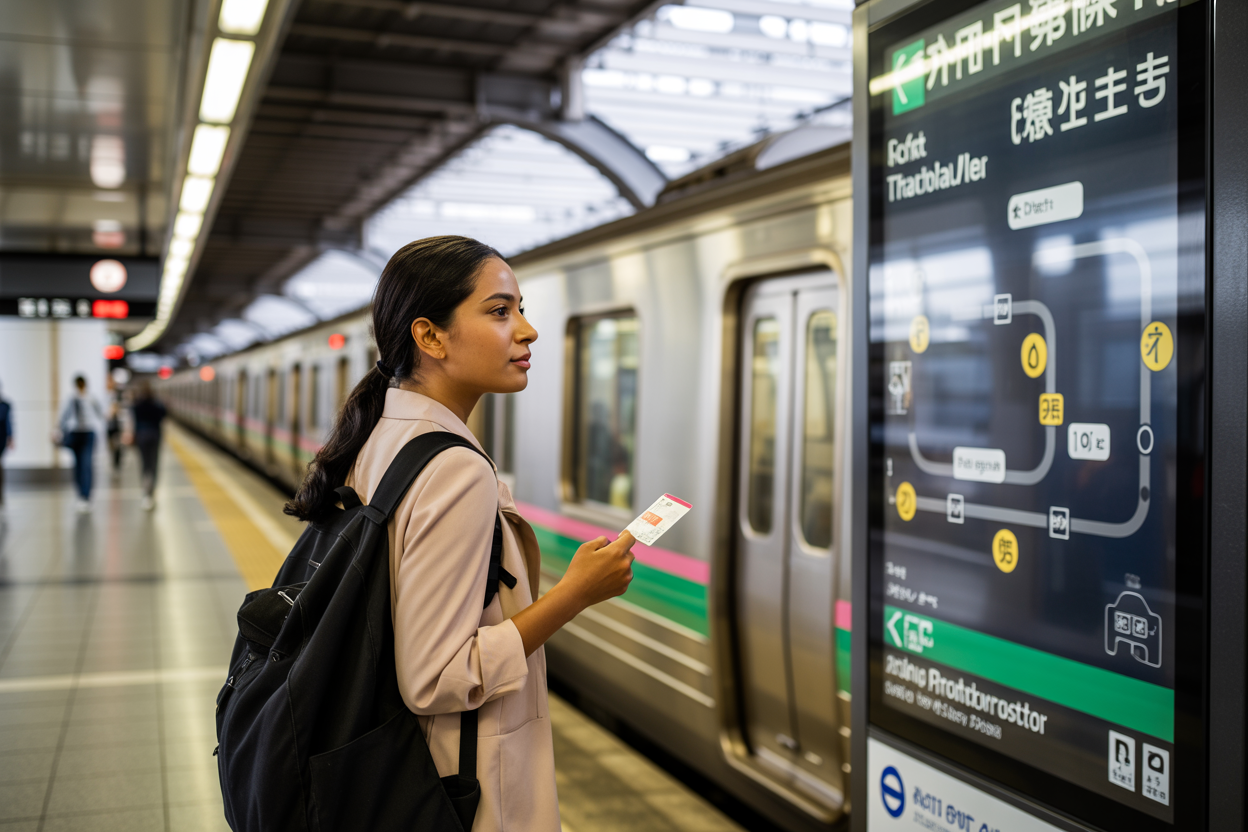
The Japan Rail Pass is your best friend when navigating Japan as a tourist. Buy it before leaving India — it’s only available outside Japan. A 7-day pass costs around ¥50,000 and covers bullet trains (Shinkansen) between major cities like Tokyo, Kyoto, and Osaka, saving you significant money compared to buying individual tickets.
Use Google Maps and Local Apps to Get Around Smoothly
Google Maps works brilliantly in Japan and shows train, subway, and bus options with real-time accuracy. Download Hyperdia for detailed train schedules and Suica (a rechargeable IC card) to tap-in and tap-out at subway stations without buying tickets every time.
Understand Basic Japanese Etiquette to Avoid Mistakes
A few quick rules go a long way:
| Situation | What to Do |
|---|---|
| Entering a home/temple | Remove shoes |
| Riding trains | Stay silent, no phone calls |
| Receiving items | Use both hands |
| Tipping | Never tip — it can feel offensive |
Stay Connected With the Right SIM Card or Pocket WiFi
Pick up a data SIM at Narita or Haneda airport arrivals. IIJmio and NTT Docomo tourist SIMs offer reliable 4G coverage nationwide. Pocket WiFi works well for groups sharing a connection throughout the trip.
Enjoy Food in Japan Without Worrying About Dietary Restrictions
Find Vegetarian and Vegan-Friendly Restaurants With Ease
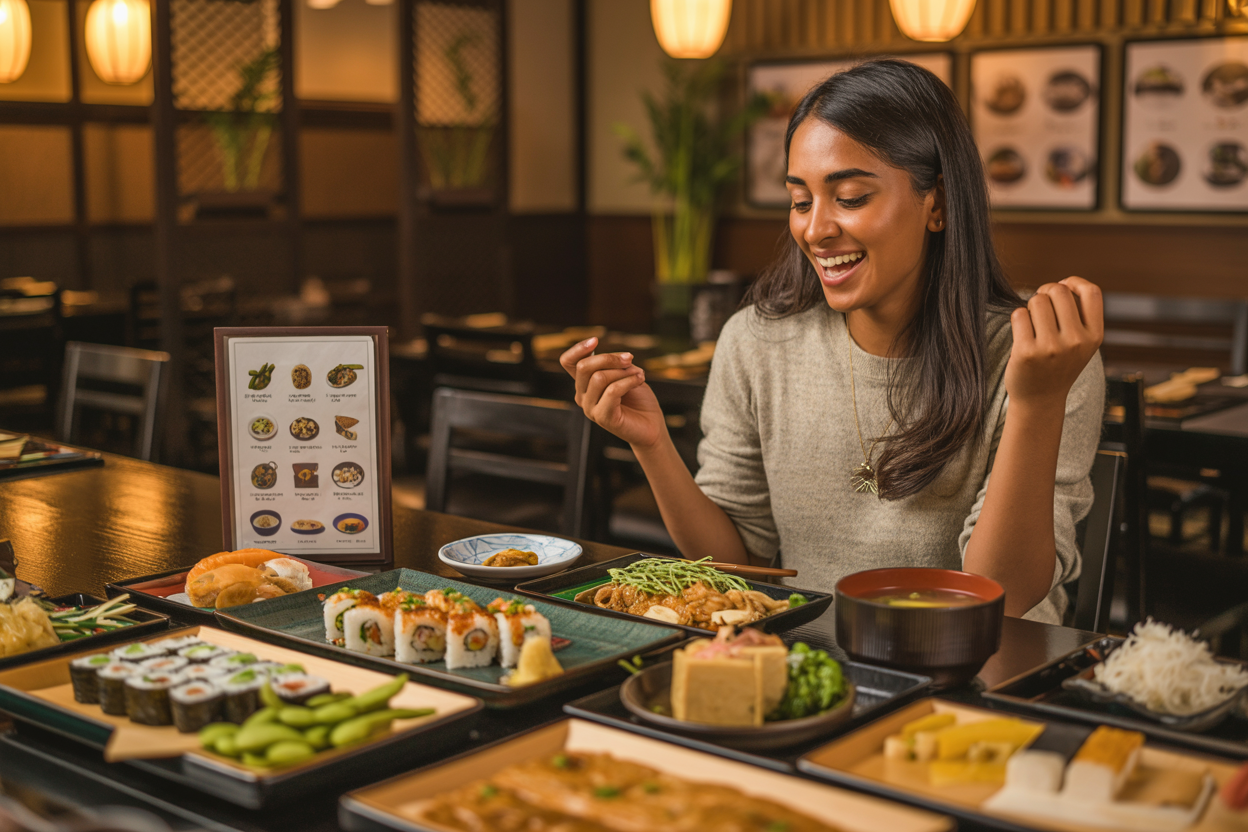
Japan’s food scene is more vegetarian-friendly than most people expect. Apps like HappyCow and Vegemap Japan help you quickly spot plant-based options nearby. Look for shojin ryori restaurants — traditional Buddhist cuisine that’s fully vegan and surprisingly delicious. Many cafés in Tokyo, Kyoto, and Osaka now display English menus with clear vegan labels.
Identify Common Non-Vegetarian Ingredients Hidden in Japanese Dishes
This is where Indian vegetarian travelers need to stay alert. Dashi, a broth made from fish flakes, sneaks into miso soup, noodle broths, and sauces that look completely vegetarian. Watch out for:
| Ingredient | Found In |
|---|---|
| Dashi (fish stock) | Miso soup, ramen, udon |
| Bonito flakes | Okonomiyaki toppings |
| Lard | Some ramen broths |
| Oyster sauce | Stir-fried vegetables |
Always carry a dietary restriction card in Japanese — free printable versions are available online.
Discover Indian Restaurants in Major Japanese Cities
Craving familiar flavors? Good news — Indian vegetarian food in Japan is easier to find than you’d think. Cities like Tokyo (Shinjuku, Nishi-Kasai), Osaka, and Kyoto have solid Indian restaurants serving dal, paneer dishes, and fresh rotis. Nishi-Kasai in Tokyo is practically a mini-India, loved by the local Indian community.
Make the Most of Your Budget in Japan
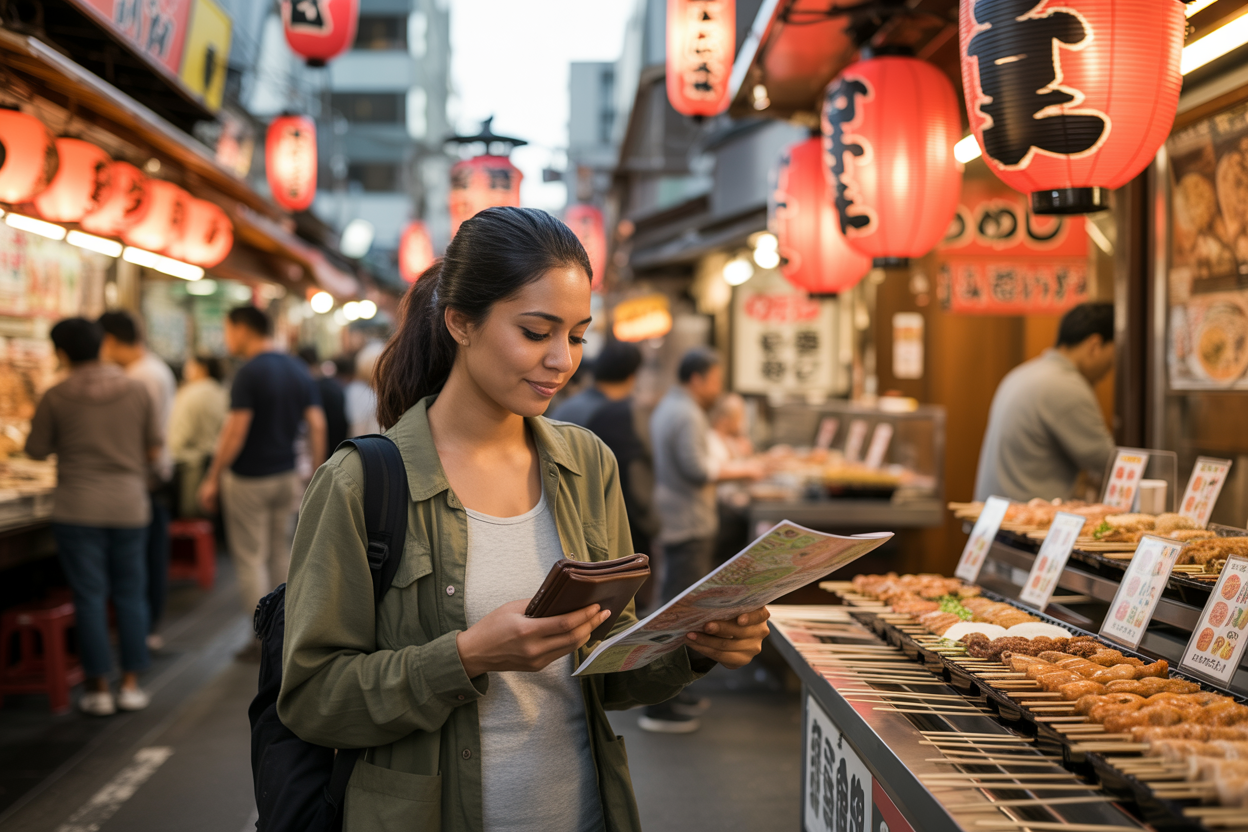
Save Money by Staying in Capsule Hotels and Hostels
Capsule hotels cost ₹1,500–₹3,000 per night and are safe, clean, and surprisingly comfortable. Many hostels offer private lockers, free Wi-Fi, and common kitchens — perfect for keeping your Japan travel budget from India under control.
Shop Smart at 100 Yen Stores and Local Markets
Daiso and Seria are goldmines. Snacks, toiletries, souvenirs, and kitchen essentials — all for roughly ₹60 each. Skip airport gift shops entirely and stock up here instead.
Enjoy Free Attractions Like Parks, Temples, and Shrines
Some of Japan’s best experiences cost nothing. Fushimi Inari in Kyoto, Shinjuku Gyoen’s outer gardens, and most Buddhist temples are free or nearly free to enter. Morning temple walks beat paid tourist experiences every time.
Use IC Cards to Pay for Transport and Small Purchases
Get a Suica or Pasmo card at any major station. These rechargeable cards work on trains, buses, and even convenience store purchases — no fumbling with change or buying individual tickets.
Avoid Common Tourist Traps That Drain Your Wallet
| Skip This | Do This Instead |
|---|---|
| Tourist-area restaurants | Konbini meals and ramen shops |
| Rickshaw rides | Walk or take local buses |
| Hotel currency exchange | Use 7-Eleven ATMs |
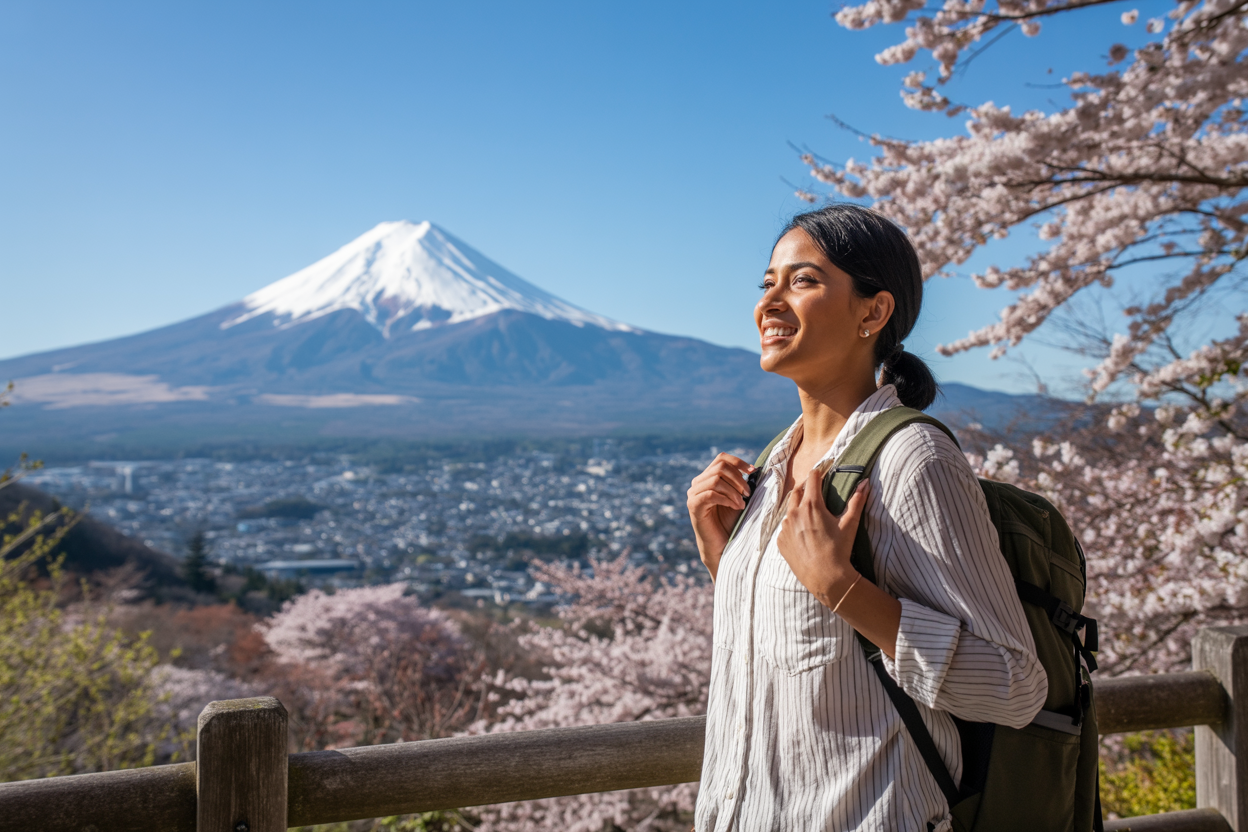
Japan might feel like a big, overwhelming destination at first, but once you break it down, it’s actually one of the most rewarding trips you can take. From getting your visa sorted and booking the right flights to hopping between iconic cities, finding food that works for you, and keeping your spending in check — every part of the trip is totally manageable with a little planning.
The best part? Japan is incredibly well-organized and traveler-friendly, even if you don’t speak a word of Japanese. So pack your bags, grab a JR Pass, keep some yen in your wallet, and get ready for an experience that’ll have you planning your second trip before the first one is even over.
