
Your First Trip to Nepal: Here’s What You Actually Need to Know
Nepal pulls you in fast — the Himalayas, the temples, the chaos of Kathmandu streets that somehow feels electric rather than overwhelming. But if you’ve never been, it’s easy to show up underprepared and miss the best parts.
This Nepal travel guide is for first-time visitors who want to get it right from day one — not just survive the trip, but actually love it. No fluff, no guesswork.
We’ll walk you through the Nepal visa requirements so you’re not scrambling at the airport, break down the best time to visit Nepal based on what you actually want to do, and share practical Nepal travel tips for beginners covering health, safety, and cultural etiquette. By the end, you’ll know exactly what to pack, where to go, and how to stretch your budget without cutting corners on the experience.
Essential Visa and Entry Requirements
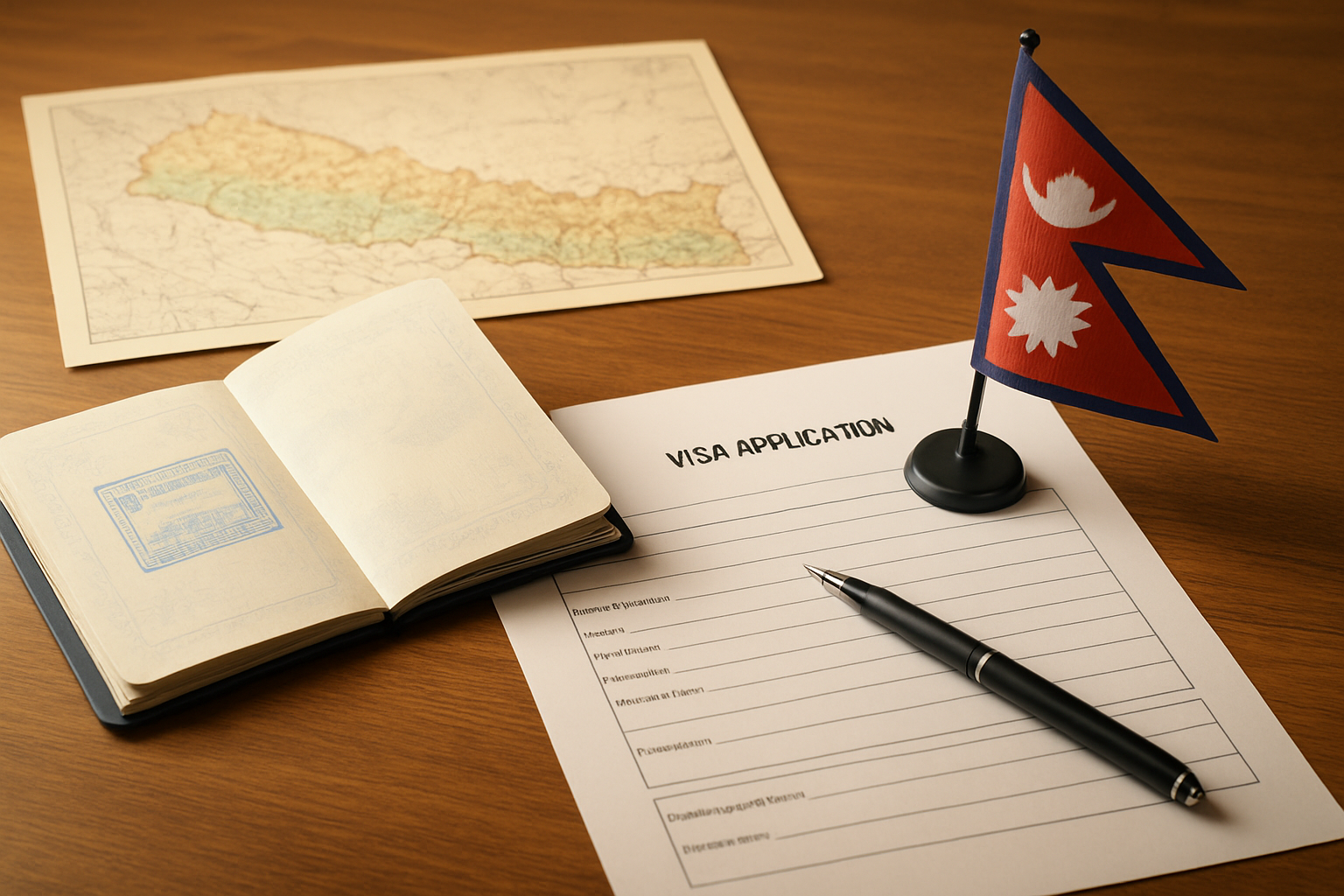
How to Apply for a Nepal Tourist Visa
Most travelers can get a Nepal visa on arrival at Tribhuvan International Airport in Kathmandu — no advance application needed. You simply fill out the online form at online.nepalimmigration.gov.np before flying, print your confirmation, and collect your visa at the airport counter. Citizens of India don’t need a visa at all, while Chinese nationals have a separate arrangement.
Understanding Visa Fees and Validity Periods
| Validity | Days Allowed | Fee (USD) |
|---|---|---|
| 15 days | Single entry | $30 |
| 30 days | Single entry | $50 |
| 90 days | Multiple entry | $125 |
Most first-timers go with the 30-day option, which covers trekking, sightseeing, and city exploration comfortably.
Key Documents to Prepare Before Arrival
Pack these before heading to the airport:
- Passport valid for at least six months beyond your travel dates
- Two passport-sized photos (the airport has a photo booth, but bring your own to save time)
- Completed visa form (printed online confirmation speeds up the process)
- Sufficient cash in USD, Euros, or GBP — card machines at immigration can be unreliable
Best Time to Visit Nepal for an Unforgettable Experience
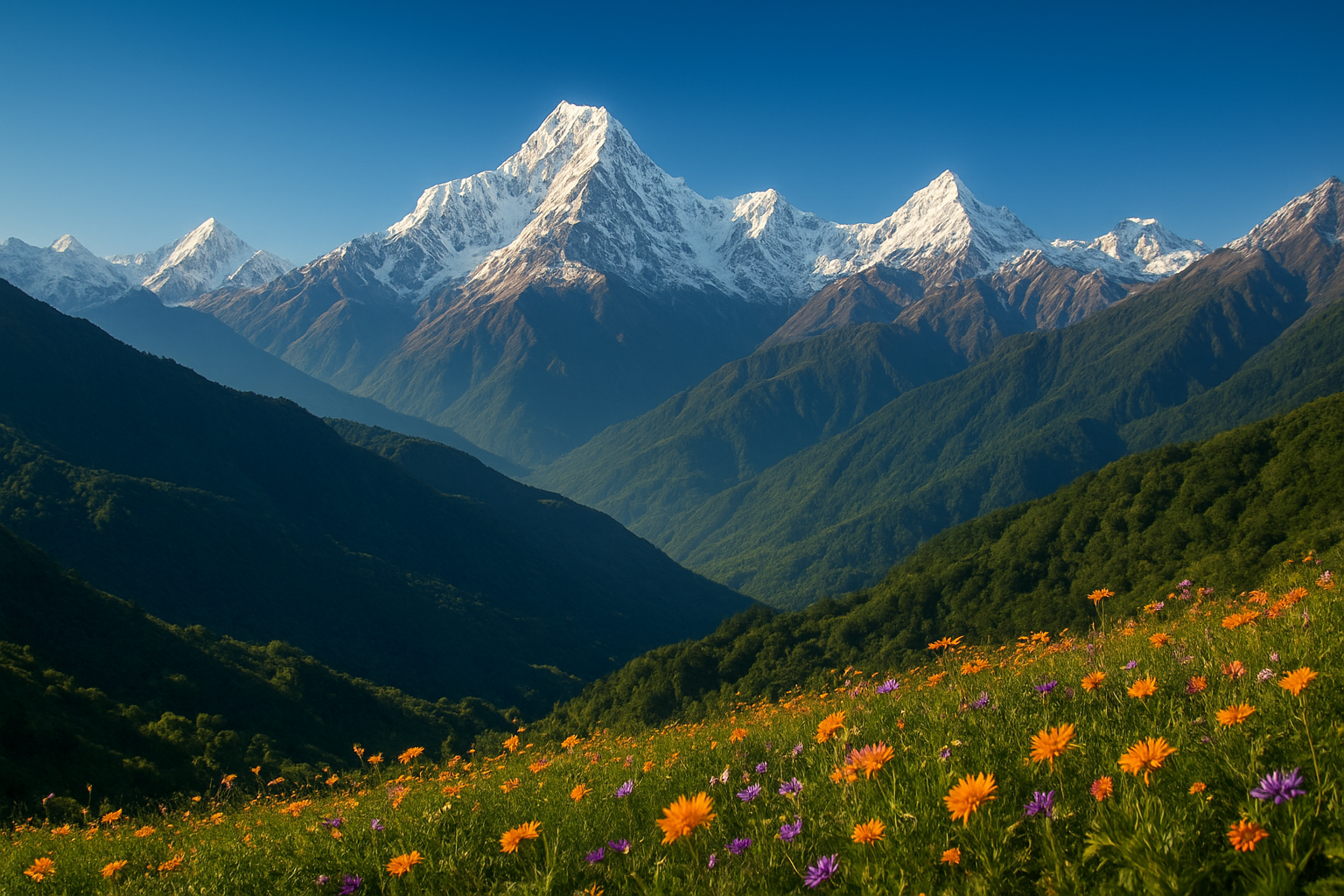
Explore the Magic of Spring Trekking Season
March through May is pure gold for first-time visitors. Temperatures are warm but manageable, rhododendrons paint the hillsides in vivid pink and red, and trails are buzzing with fellow trekkers. The best time to visit Nepal for trekking is undoubtedly spring — visibility is solid, and popular routes like Everest Base Camp and Annapurna Circuit are fully operational.
Why Autumn Offers the Clearest Mountain Views
October and November are arguably Nepal’s finest months. The monsoon has cleared the air, leaving behind jaw-dropping visibility and stable weather. Mountain views are crisp and dramatic, making it the top pick for photography and high-altitude trekking. Trails are busy, so book lodges and permits well in advance.
| Season | Months | Highlights |
|---|---|---|
| Spring | Mar–May | Wildflowers, warm trails, good visibility |
| Autumn | Oct–Nov | Crystal-clear skies, peak trekking conditions |
| Monsoon | Jun–Sep | Lush scenery, fewer crowds, slippery trails |
| Winter | Dec–Feb | Snow-capped peaks, quiet trails, cold nights |
What to Expect During Monsoon and Winter Months
Monsoon brings heavy rainfall and leeches on lower trails — great for budget travelers but tricky for trekking. Winter suits experienced hikers chasing solitude, though high passes can close due to snowfall.
Must-Know Health and Safety Tips for First-Time Visitors
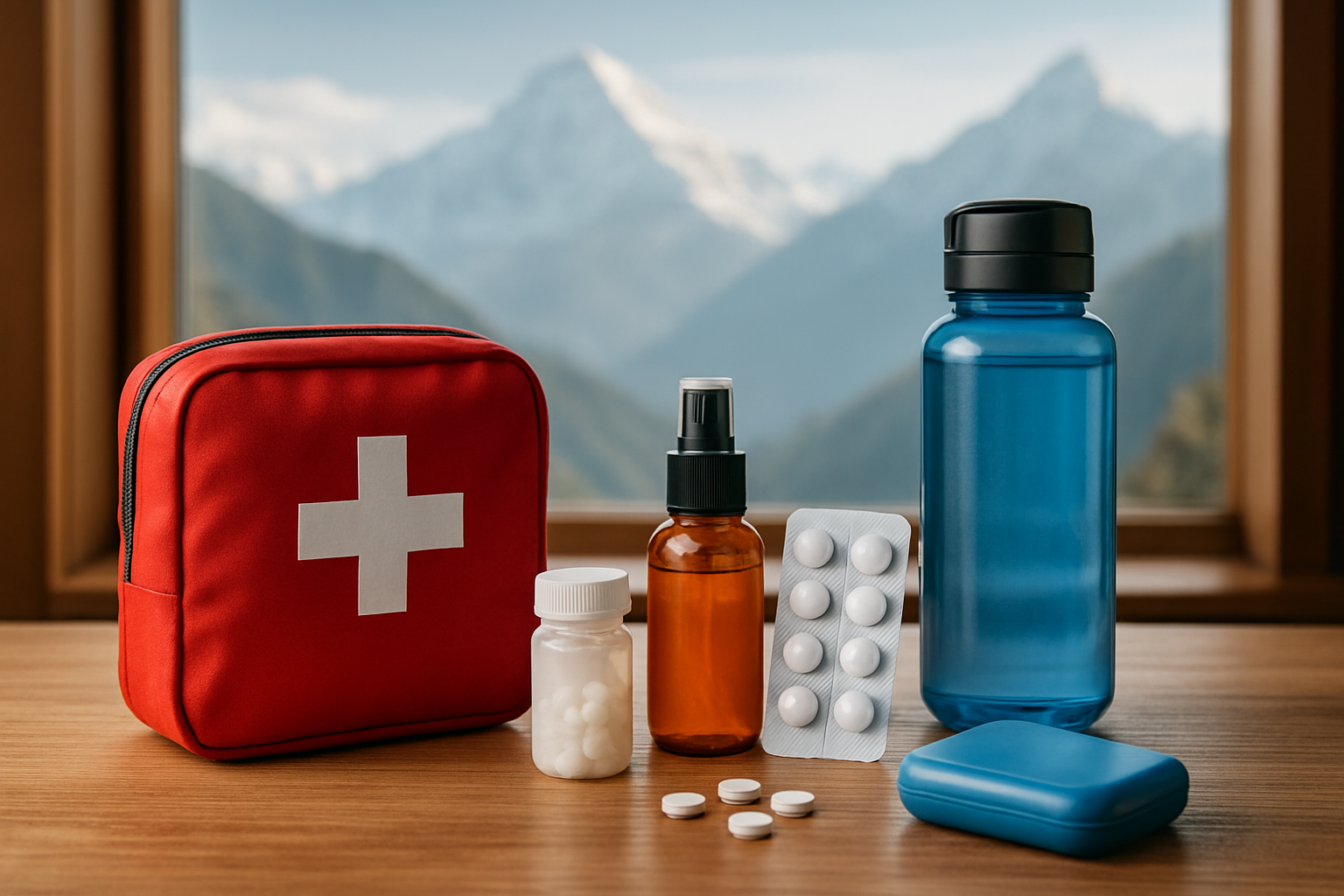
Recommended Vaccinations Before Your Trip
Before heading to Nepal, visit a travel clinic at least 6–8 weeks early. Core vaccines to get include:
| Vaccine | Why It Matters |
|---|---|
| Hepatitis A & B | Contaminated food/water exposure |
| Typhoid | Common in local food and water |
| Tetanus/Diphtheria | Standard travel safety |
| Japanese Encephalitis | If visiting rural/jungle areas |
| Rabies | Dog bites are surprisingly common |
How to Prevent and Manage Altitude Sickness
Altitude sickness is a real risk, especially around Kathmandu (1,400m) and trekking zones above 3,000m. Ascend slowly, stay hydrated, and avoid alcohol your first few days. Diamox (acetazolamide) can help — ask your doctor before traveling. If you experience severe headaches, vomiting, or confusion, descend immediately.
Staying Safe with Food and Drinking Water
Tap water is unsafe to drink. Stick to bottled or purified water, and carry a filtered water bottle to cut plastic waste. Eat at busy restaurants where food turns over quickly, and avoid raw salads or unpeeled fruit from street stalls.
Travel Insurance Coverage You Should Not Skip
Standard insurance rarely covers high-altitude helicopter evacuations — which can cost $5,000+. Choose a policy that explicitly covers trekking above 4,000m and emergency evacuation. World Nomads and SafetyWing are popular picks among Nepal travelers.
Getting Around Nepal With Ease
Navigating Domestic Flights to Remote Destinations
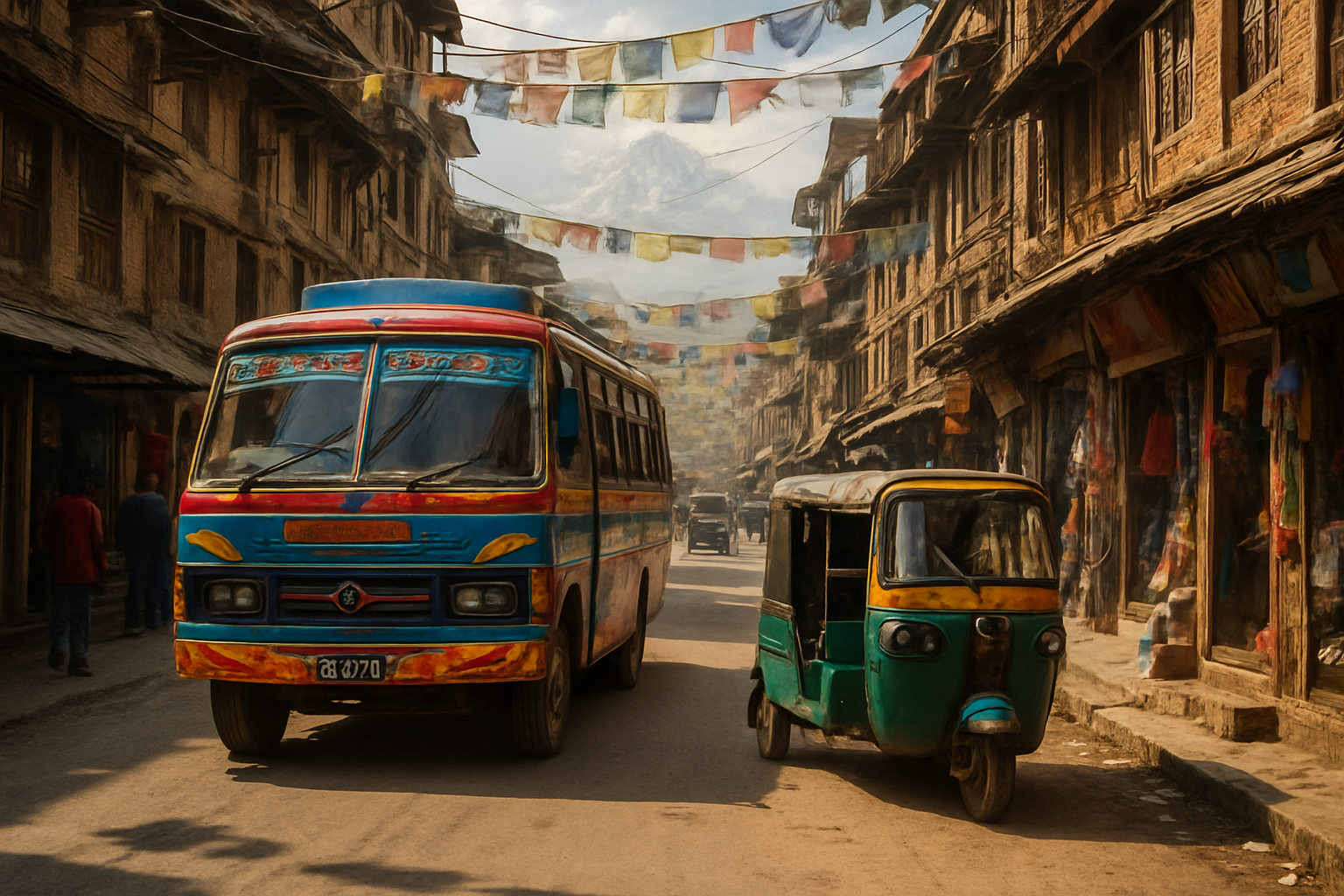
Short domestic flights are your best friend when covering Nepal’s vast terrain. Airlines like Yeti Airlines and Buddha Air connect Kathmandu to Pokhara, Lukla, and other remote areas in under an hour. Book early, especially during trekking season — seats sell out fast. Mountain weather causes frequent delays, so always build buffer days into your Nepal travel guide itinerary.
Using Local Buses and Shared Taxis Affordably
For Nepal budget travel, local buses are unbeatable on price but can be slow and crowded. Tourist buses running between Kathmandu and Pokhara offer more comfort for a small premium — worth every rupee. Shared taxis work well for shorter distances between towns and are easy to flag down at major intersections.
| Transport Type | Best For | Approx. Cost |
|---|---|---|
| Domestic flight | Long distances | $100–$200 |
| Tourist bus | City-to-city | $10–$20 |
| Local bus | Short trips | $1–$5 |
| Shared taxi | Town hopping | $2–$10 |
Hiring a Reliable Guide or Porter for Trekking
A licensed guide transforms your trek from confusing to memorable. Porters carry your load, keeping you energized on tough trails. Book through TAAN-registered agencies and always confirm credentials upfront.
Top Destinations Every First-Time Visitor Should Explore
Discover the Cultural Heart of Kathmandu Valley
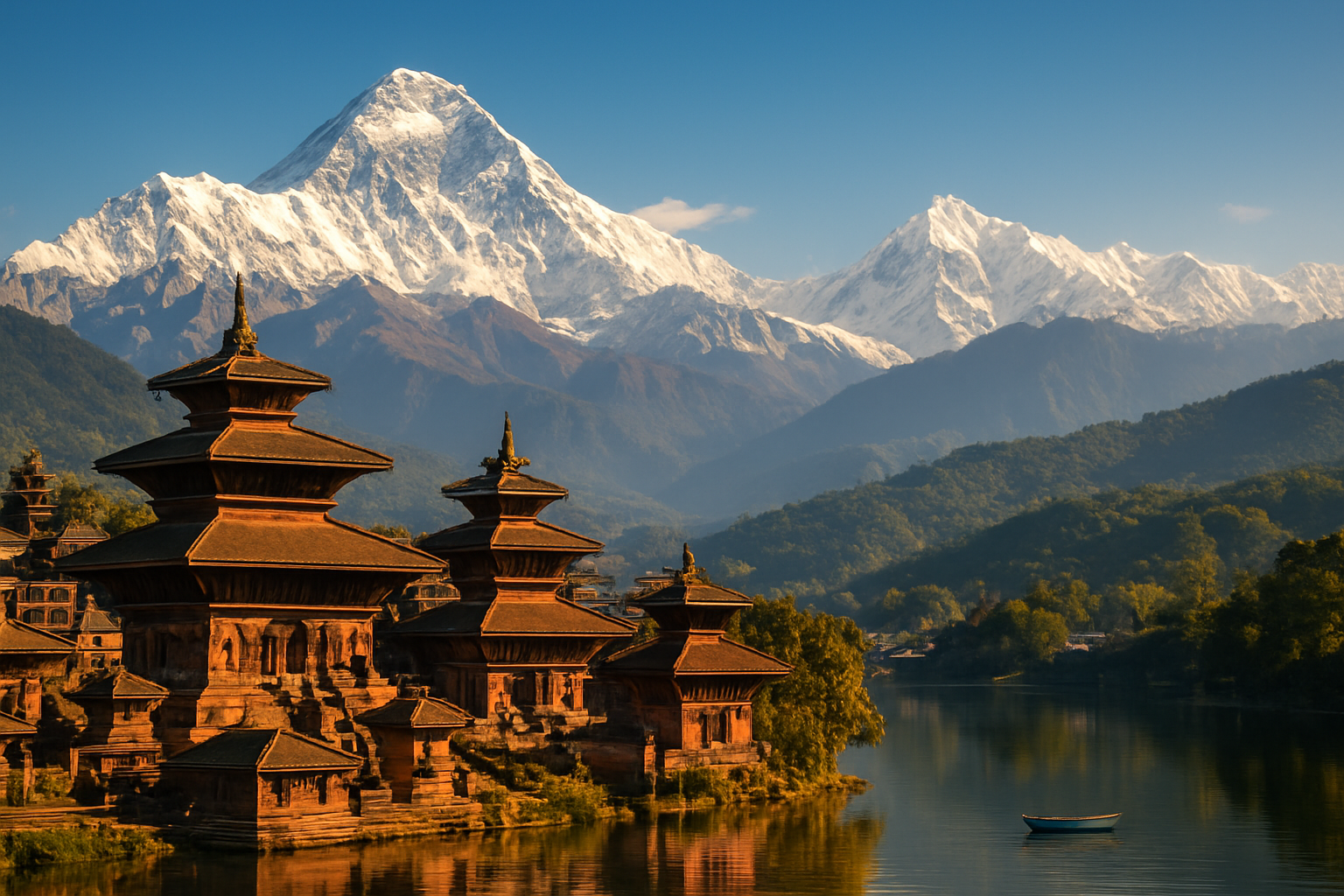
Kathmandu is where Nepal’s soul lives. Wander through Thamel’s buzzing streets, then step into Pashupatinath Temple, Boudhanath Stupa, and Swayambhunath — all UNESCO World Heritage Sites packed into one valley. The sensory overload is real, but completely worth it.
Experience the Serenity of Pokhara and Phewa Lake
Pokhara feels like a deep exhale after Kathmandu’s chaos. Rent a boat on Phewa Lake, watch the Annapurna range glow at sunrise, and stroll Lakeside for great cafes and mountain views. It’s the perfect place to slow down before or after a trek.
Trek the World-Famous Annapurna and Everest Regions
No Nepal travel guide skips these. The Annapurna Circuit and Everest Base Camp trek are bucket-list routes for good reason — dramatic landscapes, Sherpa villages, and bragging rights included. Even shorter routes like the Annapurna Sanctuary trail impress beginners.
Uncover the Wildlife Wonders of Chitwan National Park
Chitwan delivers rhinos, tigers, and elephant grasslands in Nepal’s subtropical lowlands. Jungle safaris here are genuinely thrilling — a surprising contrast to the mountains.
Visit the Sacred Birthplace of Buddha in Lumbini
Lumbini is deeply moving. The Maya Devi Temple marks Buddha’s exact birthplace, surrounded by peaceful monasteries built by countries worldwide. A must for history and spirituality lovers.
Cultural Etiquette and Local Customs to Respect
Dress Appropriately When Visiting Temples and Monasteries
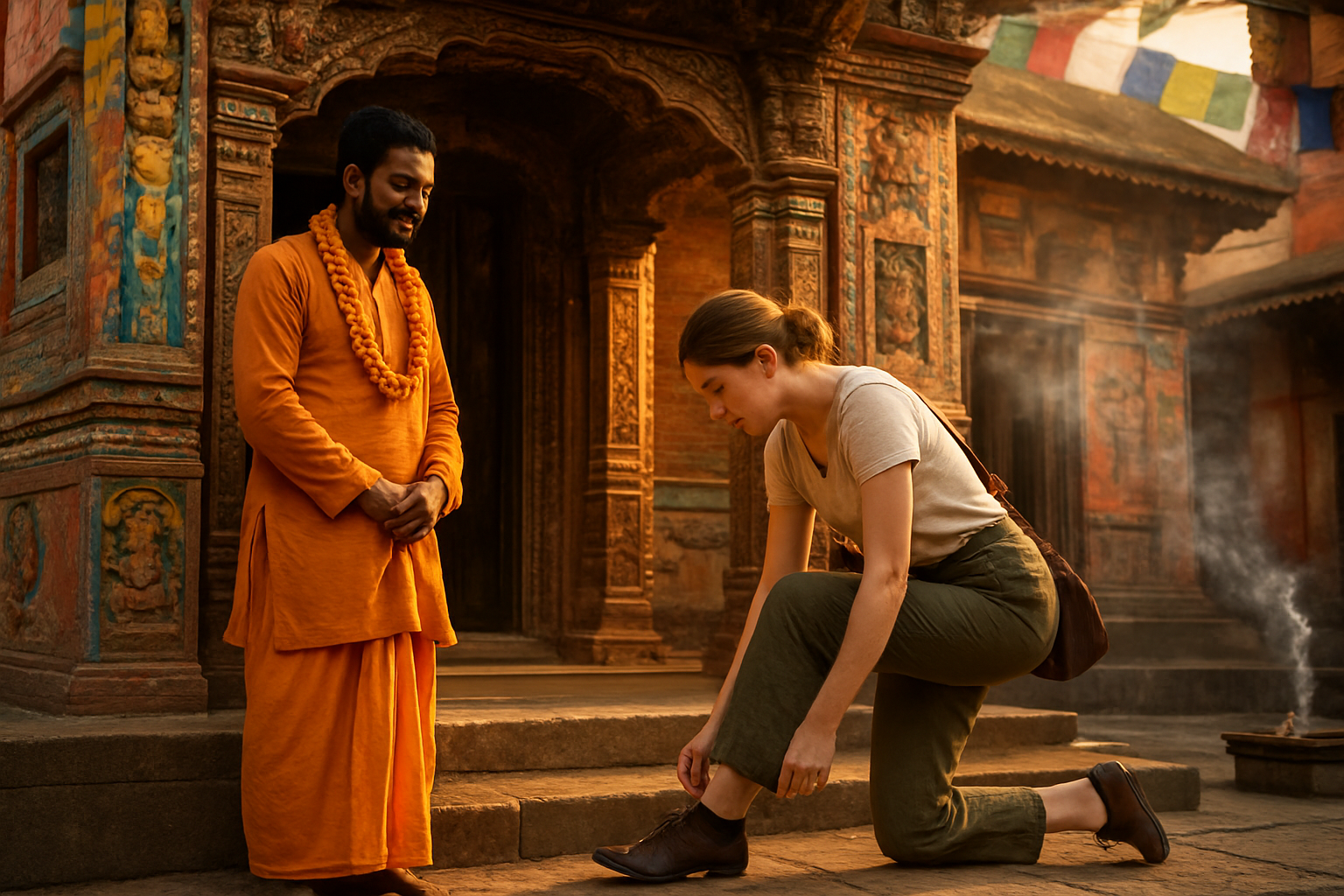
Nepal’s sacred sites demand respect through your clothing choices. Cover your shoulders and knees before entering temples, monasteries, or stupas. Remove shoes before stepping inside — watch for signs or follow what locals do. Avoid wearing leather items near Hindu temples, as cows are sacred. Carrying a light scarf works perfectly as a quick cover-up when needed.
Learn Basic Nepali Phrases to Connect With Locals
A few words go a long way in Nepal. Locals genuinely light up when visitors make the effort to speak their language.
| Phrase | Meaning |
|---|---|
| Namaste | Hello/Greetings |
| Dhanyabad | Thank you |
| Kati ho? | How much? |
| Ramro | Good/Beautiful |
| Maaf garnuhos | Excuse me/Sorry |
Even mispronouncing these with a smile earns warmth and goodwill.
Understand Tipping Practices and Bargaining Norms
Tipping isn’t mandatory in Nepal but is deeply appreciated. At restaurants, rounding up the bill or leaving 10% works well. Trek guides and porters rely heavily on tips — USD $5–10 per day is standard.
Bargaining is acceptable at local markets but keep it friendly and fair. Aggressive haggling over small amounts is considered disrespectful.
Smart Budgeting Tips to Make Your Money Go Further
Average Daily Costs for Accommodation and Meals
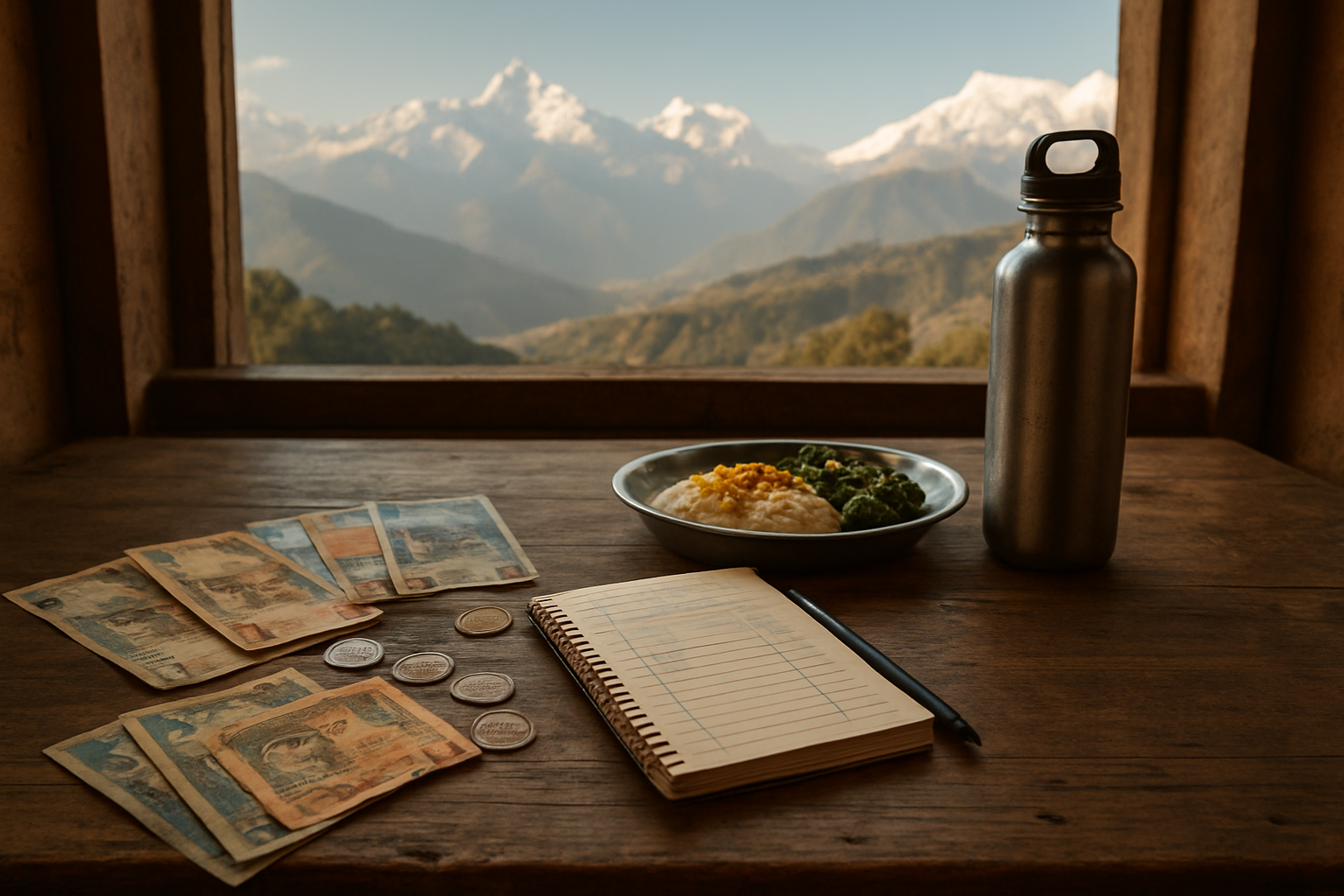
Nepal budget travel is genuinely beginner-friendly. Here’s a rough daily breakdown:
| Category | Budget | Mid-Range |
|---|---|---|
| Guesthouse/Hotel | $5–$15 | $20–$50 |
| Meals (local) | $3–$8 | $10–$20 |
| Local transport | $1–$5 | $5–$15 |
Eating dal bhat at local teahouses keeps costs low and the food is incredibly filling.
Free and Low-Cost Activities Worth Prioritizing
Some of Nepal’s best experiences cost almost nothing. Exploring Kathmandu’s Thamel neighborhood, wandering Pashupatinath Temple’s outer areas, and hiking Sarangkot for sunrise views near Pokhara are all affordable or free. Boudhanath Stupa charges a small entry fee but rewards you with hours of atmosphere.
How to Avoid Common Tourist Overcharging Traps
Always agree on taxi fares before getting in — meters are rarely used. At markets, gentle bargaining is expected. Skip restaurants right on tourist strips; walk one block back and prices drop dramatically. Book treks through licensed agencies registered with the Nepal Tourism Board.
Best Ways to Carry and Exchange Currency in Nepal
Exchange money at banks or licensed money changers in Kathmandu — never with street vendors. ATMs are widely available in cities but scarce on trekking routes, so carry enough Nepali rupees before heading out.
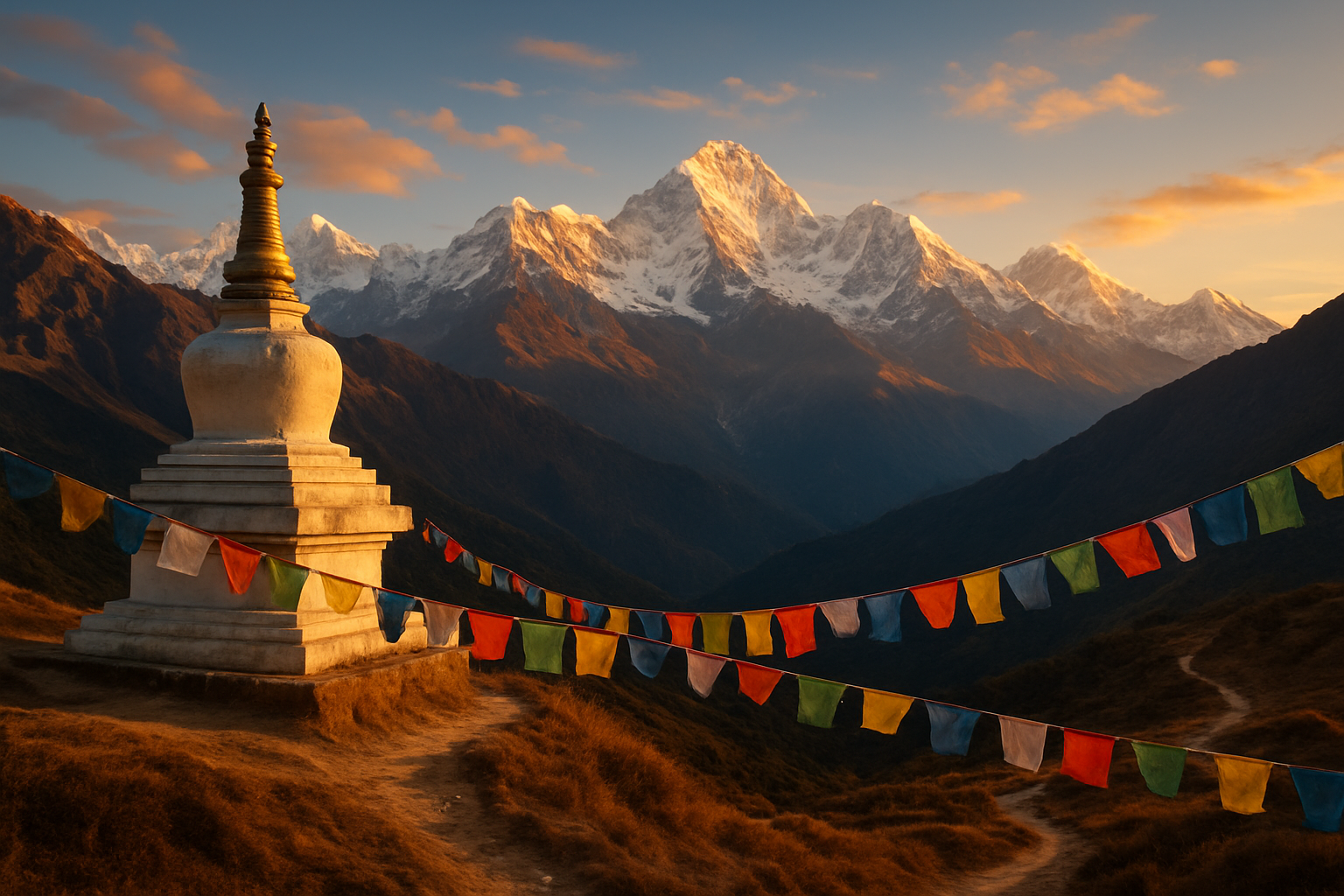
Nepal is one of those places that genuinely surprises you — in the best way possible. From sorting out your visa to navigating the winding mountain roads, every part of the journey teaches you something new. Knowing when to go, how to stay safe, and how to stretch your budget means you can focus on actually soaking in the experience rather than stressing over the details. And when you take the time to understand local customs and treat the culture with respect, locals open up to you in ways that make the trip feel so much more meaningful.
If Nepal has been sitting on your travel bucket list, now you have everything you need to start planning with confidence. Do your homework, pack smart, keep an open mind, and get ready for an adventure that will honestly be hard to top. Nepal has a way of getting under your skin — and most people who visit once start planning their return trip before they even get home.
