

Phu Quoc has way more to offer than the crowded cable car rides and packed beach resorts that most tourists flock to. This tropical Vietnamese island holds countless Phu Quoc hidden gems that Indian travelers rarely discover – places where you can escape the crowds and experience the real magic of island life.
This Phu Quoc travel guide for Indians reveals 10 extraordinary spots that locals prefer to keep quiet about. You’ll discover secluded beaches where your footprints might be the only ones in the sand, and hidden temples tucked away in jungle clearings that offer genuine spiritual experiences away from tour groups.
We’ll take you to secret snorkeling spots where colorful coral reefs remain untouched by mass tourism, explore authentic Vietnamese markets where spice vendors still haggle in local dialects, and visit traditional Phu Quoc pepper farms where you can taste the world’s finest black pepper straight from the vine. Plus, we’ll share budget accommodation options in these remote areas that won’t break the bank while giving you access to Phu Quoc’s most magical corners.
Secluded Beaches That Offer Ultimate Privacy and Serenity
Bai Thom Beach for Pristine White Sands and Crystal Waters
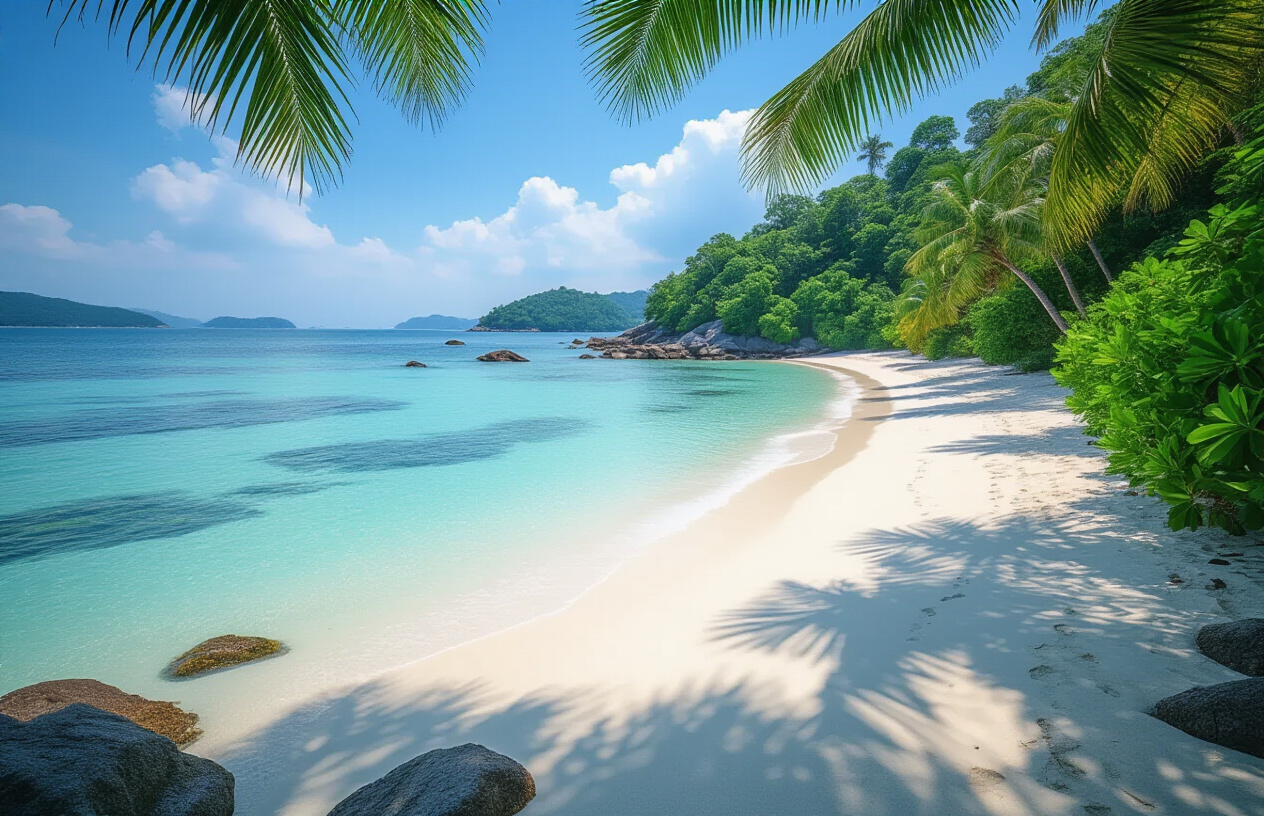
Tucked away on Phu Quoc’s northern coastline, Bai Thom Beach remains one of the island’s best-kept Phu Quoc hidden gems. This pristine stretch of coastline offers powdery white sand that feels like silk between your toes and waters so clear you can see tropical fish swimming just meters from shore. Unlike the crowded beaches near Duong Dong town, Bai Thom provides the perfect escape for travelers seeking solitude.
The beach stretches for nearly 3 kilometers, giving you plenty of space to find your own private slice of paradise. Early morning visits reward you with spectacular sunrise views over the Gulf of Thailand, while the calm waters make it ideal for swimming and floating. Local fishermen occasionally dot the shoreline with their colorful boats, adding authentic Vietnamese charm to your beach experience.
Getting to Bai Thom requires a 45-minute motorbike ride through winding roads lined with pepper plantations and coconut groves. Pack your own snacks and drinks since amenities are limited – that’s exactly what keeps this secret beaches Phu Quoc location so unspoiled.
Bai Dai Beach for Endless Coastline Adventures
Stretching over 15 kilometers along Phu Quoc’s western coast, Bai Dai Beach offers endless possibilities for beach lovers who crave both adventure and tranquility. This magnificent coastline changes personality throughout the day – peaceful morning waters perfect for kayaking transform into dramatic sunset backdrops that rival any postcard.
The northern sections of Bai Dai remain relatively untouched, making them perfect Phu Quoc secluded attractions for Indians seeking privacy. Here, you can walk for hours without encountering crowds, collecting unique seashells and watching hermit crabs scurry across the sand. The beach’s gradual slope into the ocean makes it safe for swimming, while consistent afternoon breezes create ideal conditions for beach volleyball or frisbee.
Adventure seekers can rent bicycles from nearby resorts and cycle along the coastal paths, stopping at small beachside cafes serving fresh coconut water and grilled seafood. The area’s undeveloped nature means you’ll spot wildlife like monitor lizards sunbathing on driftwood and colorful kingfishers diving for fish.
Vung Bau Beach for Authentic Local Fishing Village Experience
Vung Bau Beach offers something truly special – a chance to experience authentic Vietnamese coastal life away from tourist developments. This charming beach sits within a traditional fishing village where wooden boats bob in the harbor and fishermen mend their nets under swaying palm trees.
The beach itself features golden sand and calm, shallow waters protected by a natural bay formation. What makes Vung Bau extraordinary is the cultural immersion it provides. You can watch fishermen return with their daily catch around 4 PM, observe traditional fishing techniques passed down through generations, and even join boat trips to nearby coral reefs for snorkeling adventures.
Local families run small restaurants right on the beach, serving the freshest seafood you’ll taste in Vietnam. Try the grilled squid caught that morning or sample traditional fish sauce made in the village. The prices remain incredibly reasonable since this area hasn’t been discovered by mainstream tourism yet.
The village atmosphere creates perfect opportunities for cultural exchange – friendly locals often invite visitors to share tea and practice English while you learn basic Vietnamese phrases. This authentic experience makes Vung Bau one of the most rewarding off-the-beaten-path Phu Quoc destinations for travelers seeking genuine connections.
Off-the-Beaten-Path Natural Wonders for Adventure Seekers

Ham Ninh Fishing Village for Cultural Immersion
Ham Ninh Fishing Village sits quietly on Phu Quoc’s eastern coast, where ancient stilted houses stretch over emerald waters like a scene from a forgotten era. This traditional fishing community operates much the same way it has for generations, making it one of Phu Quoc’s most authentic cultural experiences.
The village comes alive before dawn when fishing boats return with their catch. Vendors spread fresh seafood across wooden platforms while families sort through nets filled with crab, fish, and squid. You can join locals for breakfast at floating restaurants where meals cost just 50,000-70,000 VND (₹170-240).
Walking through the village reveals traditional Vietnamese architecture rarely seen in tourist areas. Many houses balance on tall wooden stilts, connected by narrow bridges that creak under your feet. Local families welcome visitors warmly, often inviting you to watch traditional fishing techniques or try your hand at crab fishing.
The best time to visit is early morning (5:00-8:00 AM) or late afternoon (4:00-6:00 PM) when the fishing activity peaks. Rent a motorbike from Duong Dong town for 150,000 VND (₹510) daily to reach this off-the-beaten-path gem in about 45 minutes.
Suoi Tranh Waterfall for Refreshing Mountain Escapes
Suoi Tranh Waterfall offers a completely different side of Phu Quoc beyond its famous beaches. This multi-tiered waterfall cascades down granite rocks through dense jungle, creating natural swimming pools perfect for cooling off after island exploration.
The trek to reach the main waterfall takes 20-30 minutes through well-marked trails surrounded by tropical vegetation. Wild orchids and exotic birds make this journey a nature photographer’s dream. During Vietnam’s rainy season (May-October), the waterfall reaches its most spectacular flow, while dry season visits (November-April) reveal hidden rock formations and easier climbing opportunities.
The waterfall features three distinct levels. The lower tier offers the easiest access with shallow pools ideal for families. Adventure seekers can climb to the upper levels using natural rock steps, where deeper pools await brave swimmers. Water temperature stays refreshingly cool year-round at around 22°C (72°F).
Entry costs just 15,000 VND (₹50) per person. Local vendors sell fresh coconuts and snacks near the entrance. Bring sturdy water shoes as rocks can be slippery. The site operates daily from 7:00 AM to 5:00 PM, with fewer crowds during weekday mornings.
Ganh Dau Cape for Stunning Cambodian Border Views
Ganh Dau Cape marks Phu Quoc’s northernmost point, where Vietnam and Cambodia meet across narrow waters. This remote headland provides some of the island’s most dramatic coastal scenery, with rocky outcrops jutting into the sea against a backdrop of distant Cambodian mountains.
The cape features a small lighthouse perched on granite cliffs, offering panoramic views across the Gulf of Thailand. On clear days, you can see Cambodian fishing villages and the outline of Koh Trol island just 15 kilometers away. Sunset views here rival any spot in Southeast Asia, with the sun setting directly between Vietnam and Cambodia.
A small fishing community calls Ganh Dau home, operating traditional boats that venture into Cambodian waters daily. Their floating houses and fish farms create an authentic maritime atmosphere rarely experienced by tourists. Local restaurants serve incredibly fresh seafood at prices significantly lower than resort areas – expect to pay 80,000-120,000 VND (₹270-410) for a full seafood meal.
The cape requires a 30-minute motorbike ride from Duong Dong through scenic countryside. Roads can be challenging during rainy season, so plan accordingly. No entrance fees apply, making this one of Phu Quoc’s most accessible hidden gems.
Dinh Cau Rock for Spiritual Lighthouse Experiences
Dinh Cau Rock stands as Phu Quoc’s spiritual guardian, a towering limestone formation topped with a sacred temple that has protected local fishermen for over 200 years. This natural lighthouse serves as both a navigation marker and a place of worship, embodying the deep connection between Vietnamese culture and the sea.
The temple, officially called Dinh Cau Temple, honors Thien Hau, the goddess of the sea. Local fishing families make daily offerings here, burning incense and leaving flowers to ensure safe voyages. The temple’s architecture blends Vietnamese and Chinese influences, with intricate carvings and colorful dragons decorating the structure.
Climbing to the temple requires navigating steep stone steps carved directly into the rock face. The ascent takes about 10 minutes but rewards visitors with spectacular 360-degree views of Duong Dong harbor and the surrounding coastline. Early morning visits (6:00-8:00 AM) offer the most peaceful experience, when local worshippers outnumber tourists.
The rock formation itself tells a geological story spanning millions of years. Limestone caves at the base create natural alcoves where fishermen shelter during storms. During low tide, you can explore tidal pools filled with colorful marine life around the rock’s foundation. The site becomes particularly magical during full moon nights when the temple glows against the dark sea.
Authentic Local Markets That Showcase True Vietnamese Culture
Dinh Cau Night Market for Fresh Seafood Delicacies
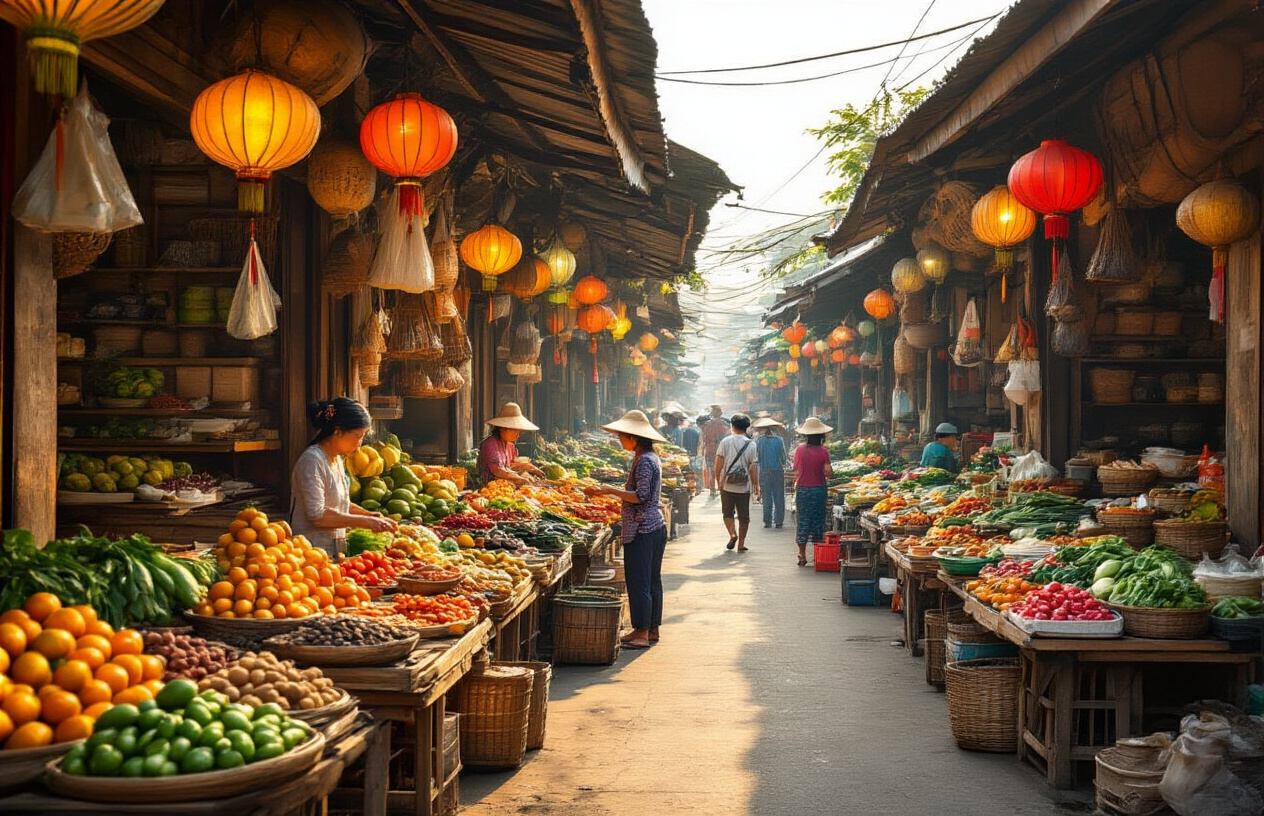
Walking through Dinh Cau Night Market feels like stepping into a seafood lover’s paradise. This authentic Vietnamese market buzzes with energy as local vendors showcase the day’s freshest catch, from plump tiger prawns to grilled squid that sizzles right before your eyes. The air fills with aromatic spices and charcoal smoke, creating an intoxicating blend that draws you deeper into this culinary adventure.
What sets this market apart from tourist-heavy spots is its genuine local atmosphere. Vietnamese families gather here for their evening meals, sharing stories over steaming bowls of seafood noodle soup. You’ll find vendors who’ve been perfecting their recipes for decades, using family-secret spice blends that transform simple fish into unforgettable dishes.
The market’s signature dish, grilled fish wrapped in banana leaves, costs just a fraction of what you’d pay at resort restaurants. Local specialties include sea urchin, fresh oysters, and the famous Phu Quoc herring salad. Most vendors speak basic English, but pointing and smiling works just as well.
Pro tip for Indian travelers: Ask for mild spice levels first, as Vietnamese pepper can pack serious heat. The market operates from 5 PM to 11 PM, with the best selection arriving around 6 PM.
Ham Ninh Crab Market for Premium Local Specialties
Ham Ninh fishing village houses one of Phu Quoc’s hidden gems – a specialized crab market that locals treasure but tourists rarely discover. This coastal community has perfected crab fishing techniques passed down through generations, creating a unique market experience that showcases authentic Vietnamese coastal culture.
The star attraction here is the mud crab, considered among Vietnam’s finest. These creatures live in the pristine waters surrounding Ham Ninh, developing a sweet, delicate flavor that’s become legendary among food enthusiasts. Local fishermen bring their catch directly to small family-run stalls, ensuring maximum freshness and fair prices.
Beyond crabs, the market offers other coastal delicacies like mantis shrimp, razor clams, and various fish species caught using traditional methods. The cooking techniques here differ from mainstream Vietnamese cuisine, incorporating island-specific herbs and preparation methods that reflect the village’s isolation from mainland influences.
| Specialty | Price Range (VND) | Best Time to Visit |
|---|---|---|
| Mud Crab | 200,000-400,000 | Early morning (6-8 AM) |
| Mantis Shrimp | 80,000-150,000 | Throughout the day |
| Razor Clams | 60,000-120,000 | Evening (4-6 PM) |
The market operates daily, but morning visits guarantee the freshest selection as boats return from overnight fishing trips.
Duong Dong Market for Traditional Handicrafts and Spices
Duong Dong Market represents the cultural heart of Phu Quoc, where locals have traded goods for over a century. This bustling marketplace reveals layers of Vietnamese tradition through its diverse offerings, from Phu Quoc pepper farms produce to handcrafted items that reflect the island’s unique heritage.
The spice section alone deserves hours of exploration. Vendors display pyramids of black and red peppercorns, the island’s most famous export. These aren’t just any peppercorns – Phu Quoc pepper holds protected designation status, recognized globally for its intense flavor and aromatic qualities. Local farmers bring their harvest directly here, offering prices significantly lower than export markets.
Traditional handicrafts occupy the market’s quieter corners, where artisans create items using techniques unchanged for generations. Bamboo fishing tools, woven baskets from local grasses, and wooden sculptures carved from island timber showcase the community’s craftmanship. These items make meaningful souvenirs that support local families rather than mass-production factories.
Shopping strategy: Visit early morning (6-9 AM) for the best spice selection and cooler temperatures. Bring cash in small denominations, as many vendors don’t accept cards or large bills. Don’t hesitate to sample spices – vendors expect it and often offer preparation tips for Indian cooking styles.
The market’s fabric section features traditional Vietnamese textiles alongside modern designs, perfect for finding unique pieces that blend local culture with contemporary style.
Hidden Temples and Spiritual Sites for Cultural Exploration

Cao Dai Temple for Unique Religious Architecture
The Cao Dai Temple stands as one of Phu Quoc’s most fascinating hidden temples Phu Quoc offers, representing a uniquely Vietnamese religious movement that combines elements from Buddhism, Christianity, Taoism, and Confucianism. Located away from the main tourist circuits, this architectural marvel showcases the distinctive features of Caodaism through its vibrant colors, symbolic decorations, and peaceful atmosphere.
The temple’s facade immediately catches your eye with its bright yellow walls adorned with the Divine Eye symbol, representing the supreme being in Cao Dai belief. Inside, you’ll discover an intricately designed prayer hall where devotees gather four times daily for worship sessions. The architecture blends Eastern and Western influences, creating a spiritual space that feels both familiar and exotic to Indian visitors who appreciate diverse religious traditions.
What makes this temple particularly special is its active community of local worshippers who welcome respectful visitors. You can observe prayer ceremonies, learn about the religion’s fascinating history, and admire the detailed murals depicting various religious figures from different faiths coexisting harmoniously.
Ho Quoc Pagoda for Peaceful Mountain Meditation
Perched dramatically on Bai Dai Beach with the South China Sea as its backdrop, Ho Quoc Pagoda offers one of the most serene meditation experiences among Phu Quoc secluded attractions. This relatively new Buddhist complex, completed in 2012, combines traditional Vietnamese pagoda architecture with modern construction techniques, creating a spiritual haven that feels both timeless and contemporary.
The pagoda complex spans several levels, each offering different meditation spaces and viewpoints. The main hall houses a magnificent statue of Quan Am (Goddess of Mercy), while smaller shrines dedicated to various Buddhist deities dot the mountainside. The gentle sound of waves below mixes with temple bells and chanting, creating a natural soundtrack perfect for contemplation.
Indian visitors often find connections between the Buddhist practices here and familiar meditation traditions. The pagoda provides quiet corners for personal reflection, and the resident monks are welcoming to those seeking spiritual guidance. Early morning visits offer the best experience, when mist rises from the sea and fewer tourists are present.
The panoramic views from the pagoda grounds stretch across pristine beaches and lush mountains, making this spot ideal for both spiritual practice and photography. Many visitors describe feeling a profound sense of peace here, especially during sunset when the golden light illuminates the temple’s red-tiled roofs.
Dinh Ba Thuy Long Thanh for Local Goddess Worship
Deep in Phu Quoc’s cultural heart lies Dinh Ba Thuy Long Thanh, a traditional temple dedicated to the local sea goddess who protects fishermen and their families. This intimate shrine represents authentic Vietnamese folk religion, offering visitors insight into spiritual practices that have shaped island life for generations.
The temple’s modest exterior belies its cultural significance to local communities. Inside, elaborate altars display offerings of fruit, flowers, and incense, while colorful statues depict the goddess in her various forms. Local fishermen regularly visit before heading out to sea, seeking blessings for safe voyages and good catches.
What sets this temple apart from larger tourist attractions is its authentic community atmosphere. You’ll often encounter local families performing traditional rituals, elderly women tending to altar decorations, and fishermen making quiet prayers. The temple serves as a living museum of Vietnamese spiritual culture, where ancient traditions continue uninterrupted by modern tourism.
Visitors can learn about the goddess’s legends from friendly locals who enjoy sharing their cultural heritage. The temple’s location in a residential area provides glimpses into everyday Vietnamese life, making it an ideal stop for those seeking authentic cultural experiences beyond typical tourist sites.
Secret Snorkeling and Diving Spots for Underwater Adventures
An Thoi Islands for Vibrant Coral Reef Exploration
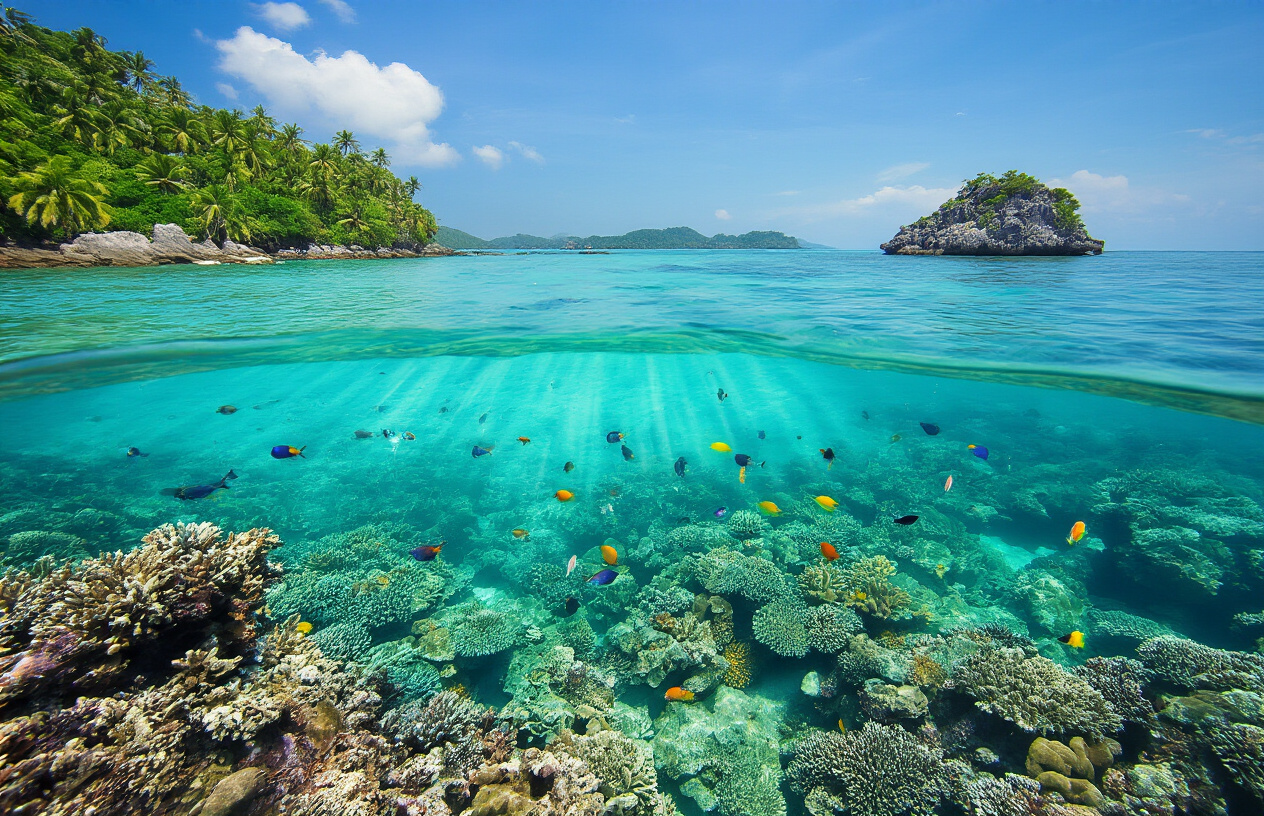
The An Thoi archipelago stands as one of Phu Quoc’s best-kept secrets for underwater exploration. This cluster of 15 pristine islands offers some of Vietnam’s most spectacular coral reefs, making it a paradise for snorkelers and divers seeking vibrant marine life. The crystal-clear waters provide excellent visibility, often reaching up to 20 meters, allowing you to witness the colorful coral gardens in all their glory.
Popular dive sites include:
- Turtle Island (Hon Doi Moi) – Perfect for spotting sea turtles and rays
- Pineapple Island (Hon Thom) – Features dramatic underwater rock formations
- Dry Coconut Island (Hon Khô) – Known for its diverse fish species
The best time to explore these Phu Quoc snorkeling spots is between October and March when the waters are calmest. Local dive operators offer day trips starting from 800,000 VND ($35), including equipment and lunch.
Fingernail Island for Untouched Marine Biodiversity
Fingernail Island (Hon Mong Tay) remains one of the most pristine underwater ecosystems in the region. This small island features untouched coral reefs teeming with marine life that many popular diving destinations have lost to overtourism. The island’s unique crescent shape creates natural lagoons perfect for beginners while offering deeper waters for experienced divers.
Marine life you’ll encounter:
- Colorful parrotfish and angelfish
- Moray eels hiding in coral crevices
- Schools of barracuda and trevally
- Occasional whale shark sightings (seasonal)
The island’s remote location means fewer crowds and better preservation of its natural beauty. Charter boats from An Thoi port cost around 1,200,000 VND ($50) for a full day, including multiple dive sites.
Gam Ghi Island for Advanced Diving Experiences
Gam Ghi Island caters to experienced divers seeking challenging underwater adventures. The island features strong currents and deeper dive sites reaching 30-40 meters, making it unsuitable for beginners but perfect for advanced divers looking for thrills. The dramatic underwater topography includes swim-throughs, caves, and vertical walls covered in soft corals.
Advanced dive features:
- Deep wall dives with strong currents
- Underwater caves and swim-through passages
- Large pelagic species sightings
- Advanced wreck diving opportunities
| Dive Level | Depth Range | Current Strength | Best Season |
|---|---|---|---|
| Advanced Only | 25-40m | Strong | November-February |
Professional dive centers require Advanced Open Water certification and recommend Nitrox certification for extended bottom times.
May Rut Island for Beginner-Friendly Snorkeling
May Rut Island serves as the perfect introduction to Phu Quoc’s underwater world for beginners and families. The shallow, protected waters around the island rarely exceed 5 meters in depth, creating ideal conditions for first-time snorkelers. The gentle currents and abundant marine life make it an excellent spot to build confidence before exploring more challenging sites.
Beginner-friendly features:
- Shallow coral gardens (2-5 meters deep)
- Calm, protected waters
- Easy entry points from sandy beaches
- Abundant colorful fish in shallow areas
Snorkeling gear rental costs just 100,000 VND ($4) per day, and the island offers basic facilities including restrooms and food stalls. The sandy bottom and gradual depth increase make it safe for children and non-swimmers wearing life jackets.
Traditional Pepper Farms and Spice Plantations for Culinary Enthusiasts
Khu Tuong Pepper Farm for Organic Black Pepper Tours
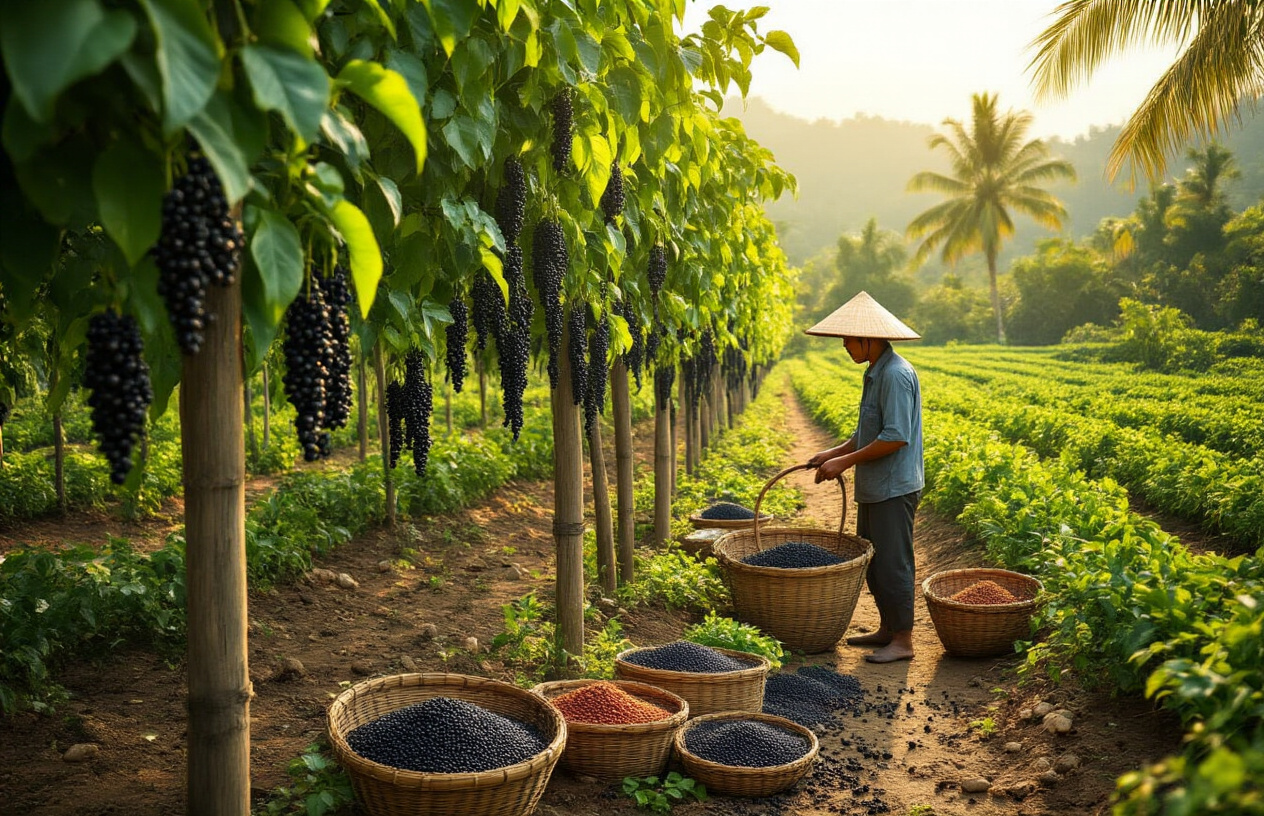
Nestled in the lush countryside of Phu Quoc, Khu Tuong Pepper Farm stands as one of the island’s most fascinating agricultural attractions. This family-run operation has been cultivating the famous Phu Quoc black pepper for over three generations, making it a perfect destination for those seeking authentic culinary experiences.
The farm offers guided tours where visitors can walk through the pepper plantations and learn about traditional growing methods passed down through generations. You’ll discover why Phu Quoc pepper farms produce some of the world’s most aromatic and flavorful black pepper, recognized globally for its superior quality. The volcanic soil and tropical climate create ideal conditions for pepper cultivation.
During your visit, you can participate in hands-on activities like harvesting pepper corns and observe the traditional drying process under the tropical sun. The farm owners are incredibly welcoming and often invite visitors to taste different pepper varieties, from green peppercorns to the prized mature black pepper.
What makes this experience special:
- Free tastings of various pepper products
- Traditional processing demonstrations
- Direct purchase opportunities at farm prices
- Photo opportunities in scenic pepper gardens
- Learn about organic farming techniques
The best time to visit is during harvest season (March to May) when the pepper vines are heavy with fruit.
Local Fish Sauce Factories for Authentic Production Methods
Fish sauce production represents one of Vietnam’s most ancient culinary traditions, and Phu Quoc’s fish sauce factories offer an authentic glimpse into this time-honored craft. The island’s fish sauce is considered among Vietnam’s finest, earning protected designation status.
These small-scale factories, often family-owned businesses, welcome curious visitors to witness the traditional fermentation process. You’ll see massive wooden vats where anchovies are layered with sea salt and left to ferment for 12-18 months. The resulting liquid gold is what gives Vietnamese cuisine its distinctive umami depth.
The production process is surprisingly simple yet requires incredible patience and expertise. Fresh anchovies are caught daily from Phu Quoc’s pristine waters, ensuring the highest quality base ingredient. Factory owners proudly explain how they maintain consistent quality without modern preservatives or artificial additives.
Production highlights you’ll witness:
- Traditional wooden fermentation tanks
- Quality grading processes
- Bottling and labeling operations
- Tasting sessions with different grades
- Purchase opportunities at wholesale prices
Most factories offer free tours, though calling ahead is recommended. The strong aroma can be overwhelming initially, but visitors quickly appreciate this integral part of Vietnamese culinary culture.
Sim Wine Tastings for Indigenous Fruit Beverages
Sim wine represents one of Phu Quoc’s best-kept secrets in the beverage world. Made from sim berries (rose myrtle), this indigenous fruit wine offers a unique tasting experience that most tourists never discover. Local families have been producing sim wine for generations, creating a distinctive purple-colored beverage with complex flavor profiles.
The sim berry grows wild across Phu Quoc’s forests and has been used medicinally and culinarily by locals for centuries. The wine-making process involves hand-picking ripe berries, natural fermentation, and aging in traditional clay pots. The result is a slightly sweet, antioxidant-rich wine with earthy undertones and a beautiful deep purple color.
Several family-run operations offer tastings in their homes or small production facilities. These intimate experiences provide insight into traditional Vietnamese wine-making techniques and the cultural significance of sim berries in local medicine and cuisine. Many producers also create sim jam, sim tea, and other products from this versatile fruit.
Tasting experience includes:
- Multiple sim wine varieties (dry to sweet)
- Traditional clay pot aging demonstrations
- Sim berry product samples
- Stories about local folklore and traditions
- Purchase opportunities for rare bottles
The wine pairs excellently with Vietnamese seafood dishes and makes for unique souvenirs that showcase Phu Quoc’s agricultural diversity beyond its famous pepper and fish sauce.
Unique Transportation Methods to Reach Remote Island Locations

Cable Car to Hon Thom Island for Scenic Aerial Views
The world’s longest non-stop three-rope cable car system stretches 7.9 kilometers across the crystal-clear waters from An Thoi station to Hon Thom Island. This engineering marvel offers breathtaking panoramic views of Phu Quoc’s coastline and surrounding islands during your 15-minute journey above the sea.
You’ll soar 200 meters above sea level, capturing stunning photographs of Phu Quoc hidden gems scattered across the archipelago below. The cable car operates from 8:30 AM to 6:00 PM daily, with tickets priced around 300,000 VND for adults. Book online or purchase tickets at the station, though morning rides offer the clearest visibility and cooler temperatures.
Hon Thom Island itself rewards visitors with pristine beaches, water sports activities, and the famous Sun World nature park. The return journey provides equally spectacular sunset views, making this transportation method an attraction in its own right.
Traditional Fishing Boats for Island Hopping Adventures
Local fishing boats offer the most authentic way to explore Phu Quoc secluded attractions scattered across nearby islands. These wooden vessels, operated by experienced fishermen, provide intimate access to remote locations that larger boats cannot reach.
Join organized fishing boat tours departing from Ham Ninh fishing village or Duong Dong harbor for 500,000-800,000 VND per person. These tours typically visit May Rut Island, Mong Tay Island, and Gam Ghi Island, including snorkeling equipment and fresh seafood lunch prepared onboard.
Alternatively, charter a private fishing boat for 1.5-2 million VND per day, accommodating 6-8 passengers. This option allows complete flexibility in your itinerary, enabling discovery of hidden coves and secret beaches Phu Quoc locals rarely share with tourists. The boat captains possess intimate knowledge of tide patterns, weather conditions, and the best spots for swimming and snorkeling.
Motorbike Rentals for Independent Exploration
Renting a motorbike unlocks Phu Quoc’s off-the-beaten-path destinations that remain inaccessible to tour groups. Semi-automatic bikes cost 150,000-200,000 VND daily from numerous rental shops in Duong Dong town, while manual motorcycles range from 200,000-300,000 VND.
Essential routes include the coastal road to Ong Lang Beach, the dirt tracks leading to Suoi Tranh waterfall’s upper levels, and the winding paths through Phu Quoc pepper farms in the island’s interior. Always carry your international driving permit, helmet, and sufficient fuel for remote areas.
The northern roads toward Ganh Dau offer spectacular coastal scenery and access to isolated fishing villages. Southern routes lead to pristine beaches like Bai Khem and hidden temples tucked away in dense jungle areas. Download offline maps before venturing out, as mobile signal weakens in remote locations.
Private Speedboat Charters for Exclusive Access
Private speedboats provide the fastest and most luxurious method to reach Phu Quoc’s most exclusive snorkeling spots and uninhabited islands. Charter rates start from 3 million VND for half-day trips accommodating up to 8 passengers, with full-day excursions ranging from 5-7 million VND.
These high-speed vessels reach distant islands like Hon May Rut Trong and Hon Xuong in under 30 minutes, compared to 60-90 minutes by fishing boat. Professional captains navigate directly to the best coral reefs, avoiding crowded tourist areas entirely.
Speedboat charters include snorkeling gear, life jackets, fresh towels, and complimentary beverages. Many operators offer customizable itineraries, allowing visits to multiple islands, secluded beaches, and premium diving locations in a single trip. Book through reputable operators at your accommodation or Duong Dong marina, ensuring proper safety equipment and insurance coverage are included.
Budget-Friendly Accommodation Options in Secluded Areas
Local Homestays for Authentic Cultural Exchange
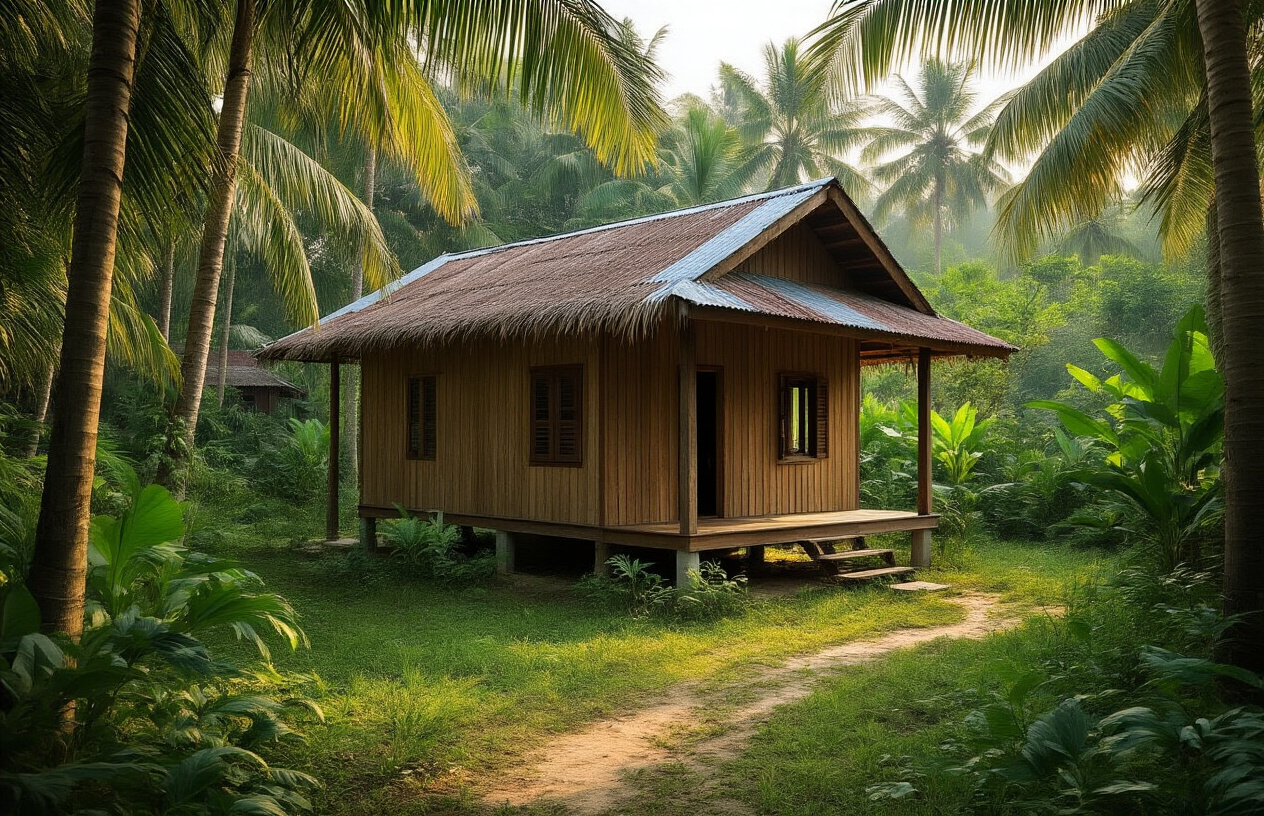
Staying with local families in Phu Quoc’s remote villages offers an unmatched opportunity to experience authentic Vietnamese life while keeping costs incredibly low. These homestays, tucked away from the tourist crowds, provide budget accommodation Phu Quoc travelers dream of – often costing just $15-25 per night including home-cooked meals.
Ham Ninh fishing village features several family-run homestays where guests can join crab catching expeditions at dawn and learn traditional cooking techniques. The Nguyen family homestay, located near the eastern coast, offers rooms in traditional stilt houses with mosquito nets and fans, plus incredible seafood dinners featuring their daily catch.
In the northern region, pepper farming families open their homes to visitors seeking Phu Quoc hidden gems beyond typical hotel experiences. These stays include participation in daily farming activities, from harvesting peppercorns to learning about the island’s most famous export. The cultural exchange runs deep – guests often find themselves adopted into family celebrations and local festivals.
Most homestays provide basic amenities like shared bathrooms and simple bedding, but the warmth of Vietnamese hospitality more than compensates. Many families speak basic English, and translation apps bridge any communication gaps, creating meaningful connections that transform your understanding of island life.
Beachfront Bungalows for Affordable Ocean Views
Small-scale beachfront bungalows scattered along secret beaches Phu Quoc offers provide stunning ocean views without resort prices. These independent accommodations, often family-owned, deliver prime beachfront access at rates ranging from $30-60 per night.
Ong Lang Beach features several bamboo bungalows just steps from the sand, where morning coffee comes with sunrise views over the Gulf of Thailand. These rustic accommodations typically include private bathrooms, air conditioning, and small terraces perfect for evening drinks while listening to waves.
Vung Bau Beach, one of the island’s best-kept secrets, hosts a collection of colorful wooden bungalows managed by local fishermen’s families. Each unit offers direct beach access, basic kitchen facilities, and outdoor showers surrounded by tropical gardens. The location provides easy access to some of the island’s best snorkeling spots without the crowds found at popular beaches.
Long Beach’s northern section, away from the resort development, features budget bungalows with incredible sunset views. These accommodations often include bicycle rentals for exploring nearby fishing villages and spice plantations, making them perfect bases for discovering off-the-beaten-path Phu Quoc locations.
Eco-Lodges for Sustainable Tourism Experiences
Phu Quoc’s emerging eco-lodge movement combines environmental responsibility with affordable rates, typically ranging from $40-80 per night. These accommodations focus on minimal environmental impact while showcasing the island’s natural beauty through sustainable practices.
The Green Dragon Lodge, hidden in dense jungle near Sao Beach, operates entirely on solar power and rainwater collection. Guests stay in elevated wooden cabins designed to minimize ground impact, with open-air designs that eliminate the need for air conditioning. The lodge offers guided nature walks through primary forest areas rarely visited by tourists, revealing hidden waterfalls and endemic wildlife.
Bee Farm Eco Lodge combines accommodation with agricultural education, featuring guest rooms built from recycled materials and surrounded by organic gardens. Visitors can participate in beekeeping activities, harvest tropical fruits, and learn about permaculture practices while enjoying comfortable lodging with stunning mountain views.
Several eco-lodges near the island’s pepper farms offer accommodations in restored traditional houses, complete with solar-powered lighting and composting toilets. These properties provide cooking classes using herbs and vegetables grown on-site, creating immersive experiences that support local communities while maintaining budget-friendly rates perfect for conscious travelers seeking Phu Quoc travel guide for Indians recommendations that align with sustainable tourism values.
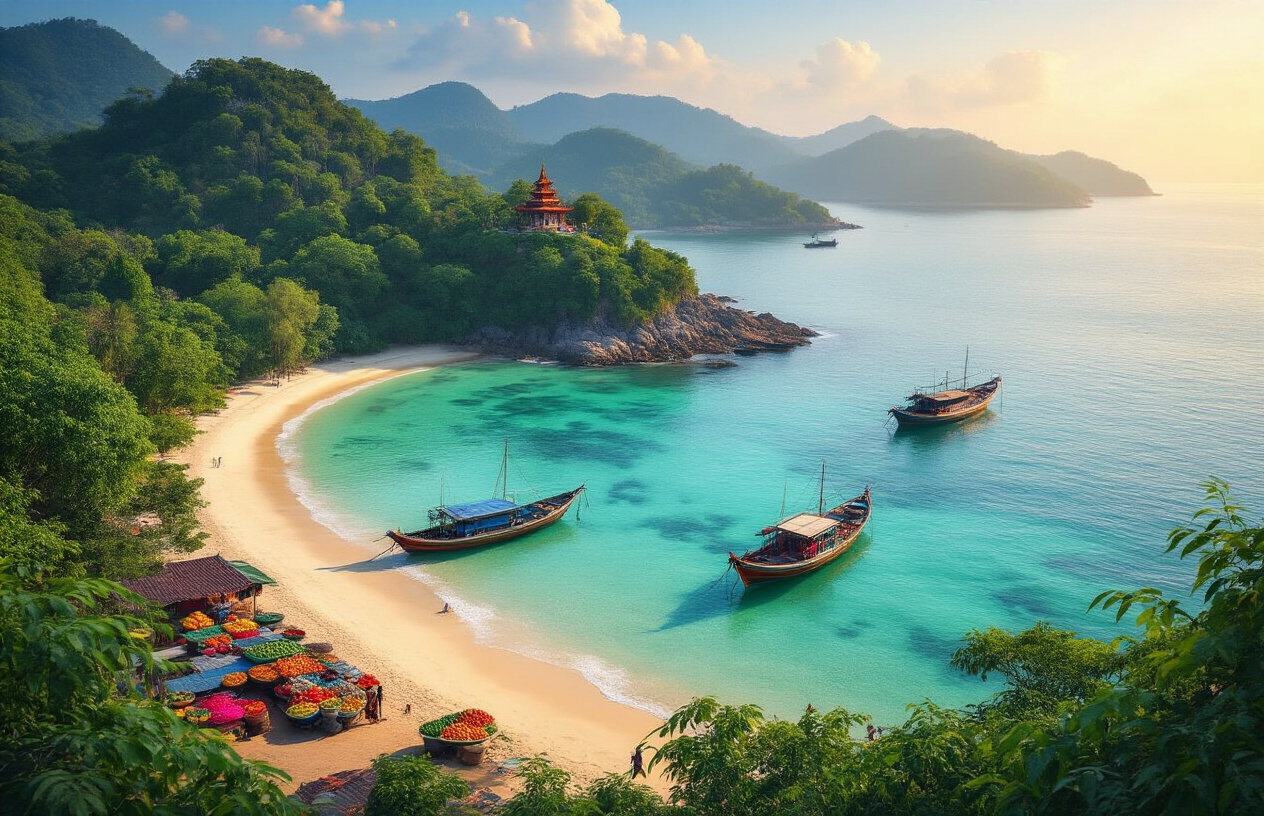
These ten hidden spots in Phu Quoc will give you a completely different experience from the typical tourist trail. From peaceful beaches where you can have the sand all to yourself to underwater worlds that most visitors never get to see, this island has so much more to offer than the crowded hotspots. The local markets, pepper farms, and ancient temples will connect you with authentic Vietnamese culture in ways that regular tour groups simply can’t match.
Getting to these secret locations might take a bit more effort, but the payoff is incredible. You’ll save money on accommodation while staying in places that feel worlds away from the busy resort areas. Pack light, bring your sense of adventure, and get ready to discover the real Phu Quoc that most travelers miss completely. Start planning your trip to these hidden gems now – your future self will thank you for choosing the road less traveled.


