
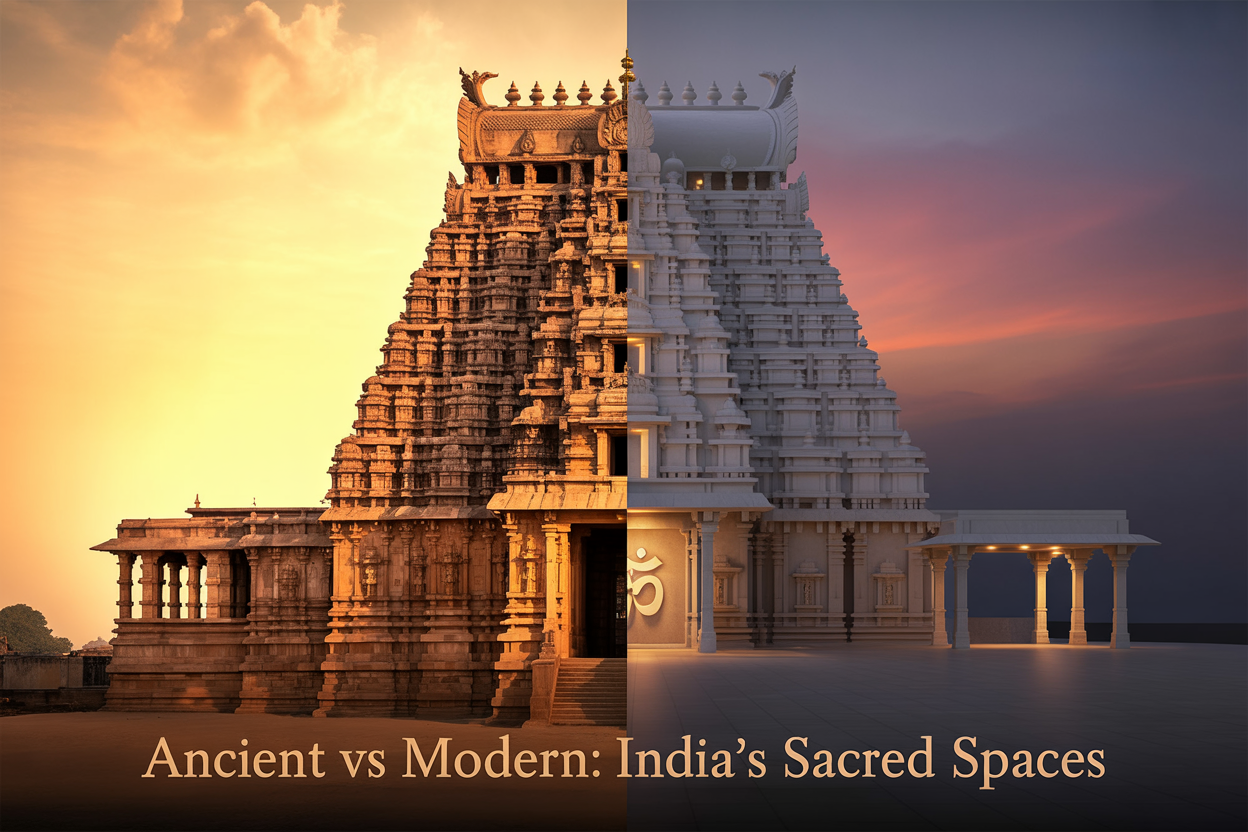
India’s Hindu sacred spaces tell a fascinating story of change and continuity. Ancient temples with their intricate carvings and time-tested rituals stand alongside modern temples featuring contemporary designs and updated worship experiences. This transformation reflects how Hindu temple architecture has adapted to serve today’s devotees while honoring centuries-old traditions.
This exploration is for anyone curious about how India’s religious landscape has evolved—from history buffs and architecture enthusiasts to travelers planning temple visits and devotees seeking to understand their faith’s physical expressions.
We’ll examine how traditional worship practices and rituals have adapted in modern settings, from ancient ceremonies preserved in historical temples to contemporary approaches that serve today’s communities. You’ll discover how modern Hindu temples balance innovative design principles with sacred architecture traditions, creating spaces that honor the past while meeting current needs. Finally, we’ll explore how these sacred spaces have expanded beyond traditional religious functions to become community centers that serve diverse roles in modern Indian society.
Ancient Hindu Temple Architecture and Design Principles
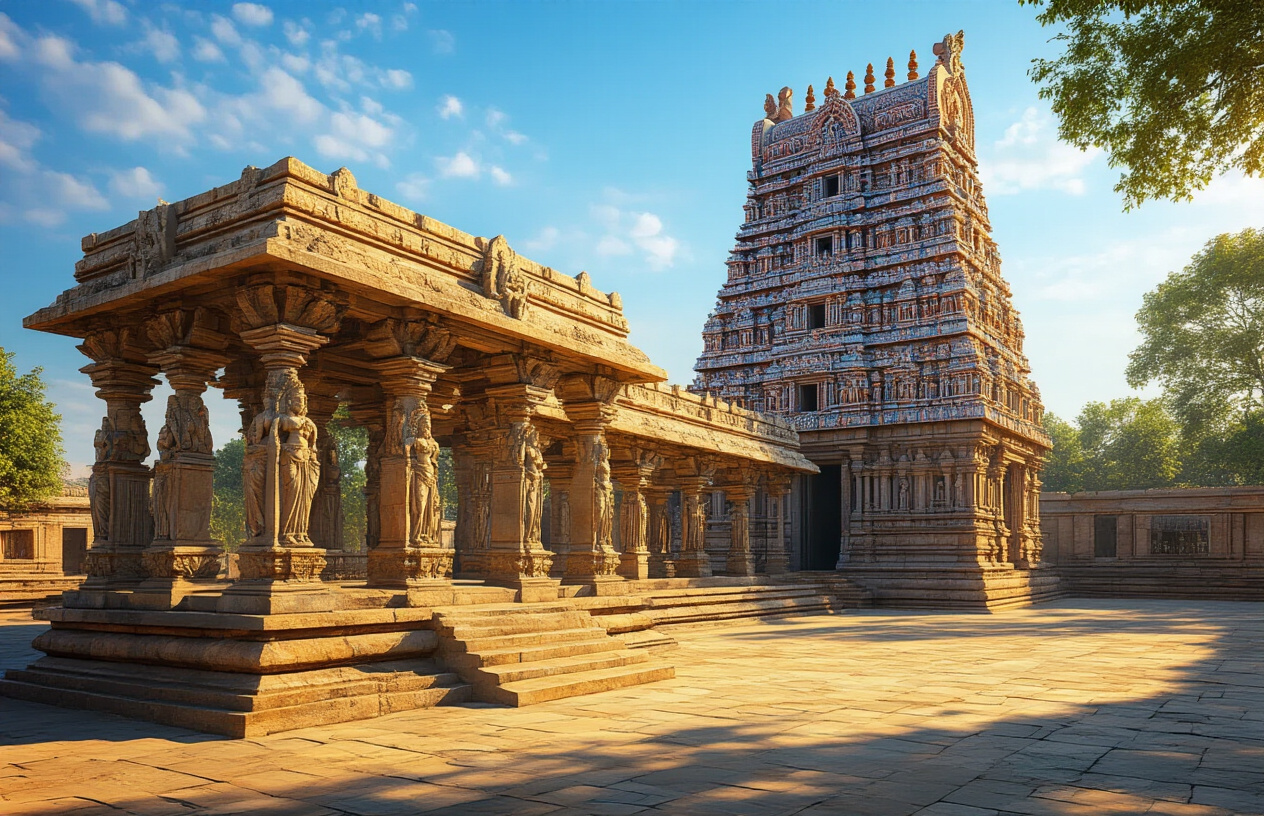
Sacred geometry and cosmic symbolism in temple construction
Ancient Indian temples serve as three-dimensional representations of the universe itself. The foundational design principle revolves around the concept of Vastu Purusha Mandala, a sacred grid that maps cosmic energies onto architectural space. This geometric framework divides the temple ground into 64 or 81 squares, each assigned to specific deities and cosmic forces.
The temple’s vertical structure mirrors the cosmic axis, connecting earth to heaven through carefully calculated proportions. The garbhagriha (sanctum sanctorum) sits at the center, representing the cosmic womb from which all creation emerges. Surrounding chambers and corridors create concentric circles of sacred space, each layer holding deeper spiritual significance.
Mathematical ratios derived from ancient texts like the Mayamata and Manasara govern every dimension. The golden ratio and other sacred proportions appear throughout temple architecture, creating visual harmony that resonates with cosmic rhythms. Builders positioned doorways, pillars, and sculptural elements according to these divine measurements, believing that precise geometry channels celestial energies into the physical realm.
Regional architectural styles across different dynasties
Hindu temple architecture flourished under different dynasties, each developing distinctive regional styles that reflected local climate, materials, and cultural influences.
Northern India (Nagara Style)
- Characterized by curvilinear towers (shikhara)
- Prominent in temples built by Gupta, Chandela, and Rajput dynasties
- Features elaborate stone carvings and multiple subsidiary shrines
Southern India (Dravida Style)
- Defined by stepped pyramid towers (vimana)
- Perfected under Pallava, Chola, and Vijayanagara empires
- Includes massive gateway towers (gopuram) and expansive courtyards
Western India (Solanki Style)
- Combines elements from both northern and southern traditions
- Notable in Jain temples of Gujarat and Rajasthan
- Features intricate marble work and detailed ceiling carvings
| Dynasty | Period | Signature Features | Notable Examples |
|---|---|---|---|
| Gupta | 4th-6th century CE | Simple elegance, mathematical precision | Dashavatara Temple, Deogarh |
| Chola | 9th-13th century CE | Towering vimanas, bronze sculptures | Brihadeeswarar Temple, Thanjavur |
| Hoysala | 11th-14th century CE | Star-shaped platforms, soapstone carvings | Channakeshava Temple, Belur |
Role of natural materials and their spiritual significance
Ancient temple builders selected materials based on their spiritual properties and connection to natural elements. Stone represented permanence and divine strength, while different types carried specific meanings.
Granite, abundant in South India, symbolized stability and endurance. Temple architects chose this igneous rock for its ability to withstand centuries while maintaining intricate carved details. The Chola temples demonstrate granite’s potential for creating monumental structures that seem to defy time itself.
Sandstone dominated northern temple construction, offering easier workability for detailed sculptures. The warm tones of red and yellow sandstone created welcoming atmospheres while providing excellent acoustic properties for chanting and music.
Wood played crucial roles in specific regions, particularly in Kerala and Himachal Pradesh. Timber temples utilized locally available cedar, teak, and pine, each wood type chosen for its resistance to local climate conditions and symbolic associations with different deities.
Metal elements, especially bronze and copper, adorned doorways and ritual implements. These materials conducted energy efficiently, creating pathways for spiritual forces to flow through the temple structure.
Integration with surrounding landscapes and water bodies
Ancient Hindu temple architecture demonstrates masterful integration with natural environments, treating the surrounding landscape as an extension of sacred space. Temple builders carefully studied topography, water sources, and cardinal directions before beginning construction.
Water bodies held particular importance in temple planning. Sacred tanks (pushkarni) and step-wells (baoli) weren’t merely functional additions but integral components of the spiritual ecosystem. The sound of flowing water created natural acoustics that enhanced meditation and prayer experiences.
Many temples were positioned on elevated ground, creating visual prominence while providing protection from flooding. This elevation also served symbolic purposes, representing the mountain homes of gods and creating a sense of approaching the divine realm.
Garden spaces and grove areas surrounding temples housed medicinal plants and trees sacred to specific deities. Banyan trees provided natural gathering spaces for community activities, while flowering plants supported ritual requirements throughout the year.
Temple architects aligned structures with seasonal patterns, ensuring that specific festivals coincided with optimal natural lighting and weather conditions. This careful planning created moments when architecture, nature, and spiritual practice converged in perfect harmony.
Traditional Worship Practices and Rituals in Historical Temples
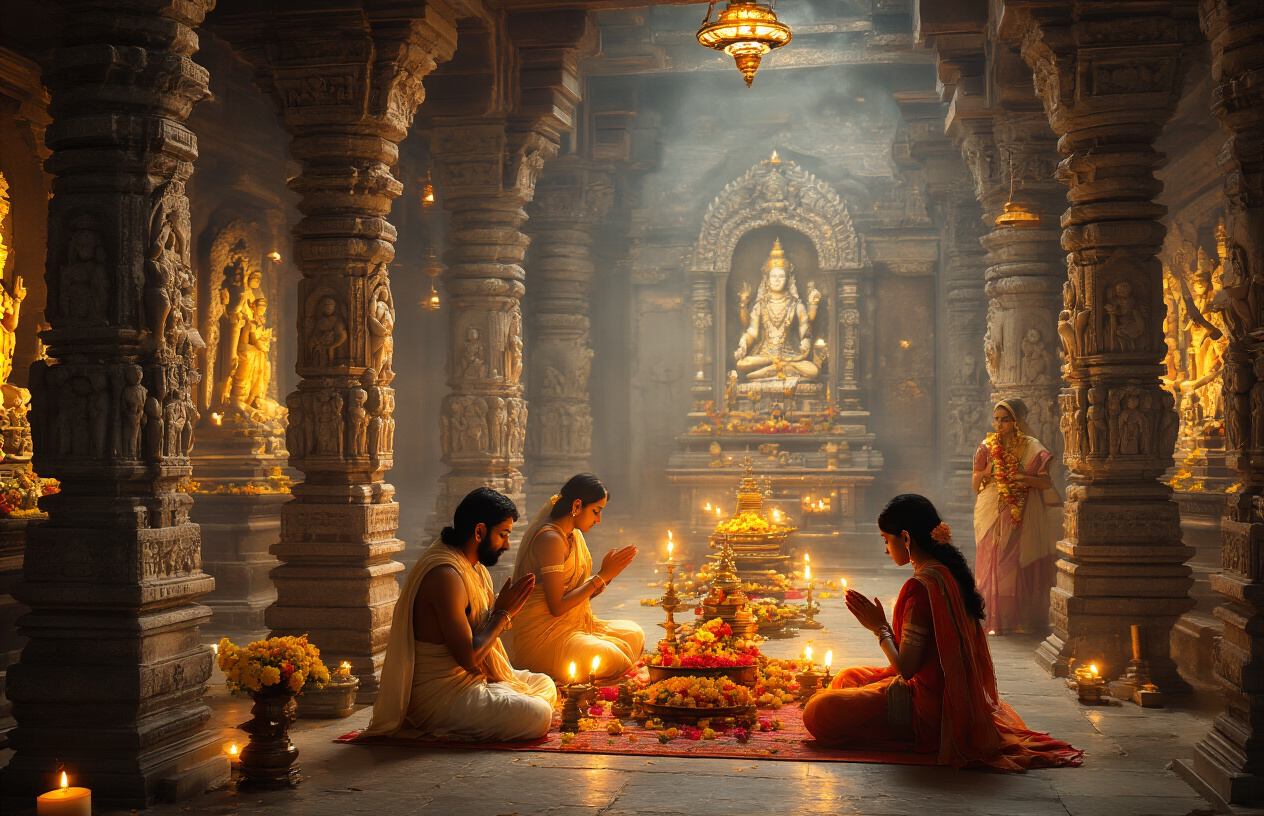
Daily Puja Ceremonies and Priest-Led Devotional Activities
Ancient Indian temples thrived on elaborate daily worship schedules that transformed these sacred spaces into living centers of spiritual activity. Traditional worship practices centered around multiple puja ceremonies performed throughout the day, beginning before sunrise and continuing until late evening. Temple priests, trained in generations-old traditions, conducted these rituals with meticulous precision, following protocols established in ancient Sanskrit texts.
The morning ceremonies typically included the awakening of the deity (Suprabhatam), followed by ceremonial bathing, dressing, and offering of fresh flowers, food, and incense. Priests chanted specific mantras for each ritual element, creating an immersive spiritual atmosphere through sound, fragrance, and visual splendor. The midday and evening pujas involved different sets of offerings and prayers, with the final ceremony preparing the deity for rest.
These priest-led devotional activities required extensive knowledge of Sanskrit texts, musical traditions, and ceremonial procedures. Priests often inherited their positions through family lineages, ensuring continuity of traditional practices across centuries. Their role extended beyond ritual performance to include teaching religious concepts, interpreting scriptures, and guiding devotees through complex spiritual practices.
Festival Celebrations and Seasonal Observances
Hindu temple traditions reached their pinnacle during festival celebrations, when entire communities gathered to participate in elaborate observances that could last for days or weeks. Major festivals like Diwali, Navaratri, and local deity celebrations transformed temples into vibrant cultural hubs where religious devotion merged with artistic expression and social celebration.
Seasonal observances followed ancient agricultural calendars, connecting spiritual practices with natural cycles. Spring festivals celebrated renewal and harvest, while monsoon ceremonies sought divine blessings for abundant rains. These celebrations featured special decorations, extended puja ceremonies, classical music and dance performances, and community feasts that strengthened social bonds.
Regional variations in festival traditions reflected local customs and historical influences, creating unique celebration styles across different temple complexes. Some festivals involved elaborate processions through temple grounds and surrounding communities, carrying decorated deity images on ornate chariots or palanquins. These events often featured traditional craftspeople creating intricate decorations, rangoli patterns, and special ceremonial items.
Community Participation and Social Hierarchies in Worship
Traditional temple worship involved complex social structures that determined participation levels and ceremonial roles. Different community groups had specific functions during religious observances, from preparing offerings and maintaining temple grounds to performing music and organizing festivals. These arrangements created interconnected support systems that sustained temple operations while reinforcing cultural traditions.
Social hierarchies influenced access to different temple areas and participation in various ceremonies. While these structures reflected historical social organization, they also ensured specialized knowledge preservation through dedicated family groups responsible for specific temple functions. Musicians, dancers, sculptors, and other artisans maintained their traditional skills through temple patronage.
Community involvement extended beyond religious ceremonies to include educational activities, cultural preservation efforts, and charitable works organized through temple institutions. Many temples served as centers for learning Sanskrit, classical arts, and traditional crafts, creating comprehensive cultural ecosystems that supported both spiritual and practical community needs.
Preservation of Sanskrit Texts and Oral Traditions
Historical temples functioned as repositories of ancient knowledge, where Sanskrit texts and oral traditions were carefully preserved and transmitted across generations. Temple libraries housed manuscripts containing religious texts, philosophical treatises, astronomical calculations, and artistic guidelines that formed the foundation of Hindu cultural heritage.
Oral tradition preservation involved systematic teaching methods where experienced practitioners passed down precise pronunciations, musical notations, and ceremonial procedures through direct mentorship. This knowledge transfer system ensured accuracy in ritual performance while maintaining the spiritual potency attributed to correct recitation of ancient mantras and prayers.
Many temples sponsored scholar-priests who specialized in specific aspects of religious knowledge, from Vedic chanting techniques to temple architecture principles. These specialists often traveled between different temple complexes, sharing knowledge and maintaining consistency in traditional practices across regional variations. Their work created extensive networks of learning that preserved complex spiritual and cultural information without written documentation.
Modern Hindu Temple Design and Contemporary Adaptations
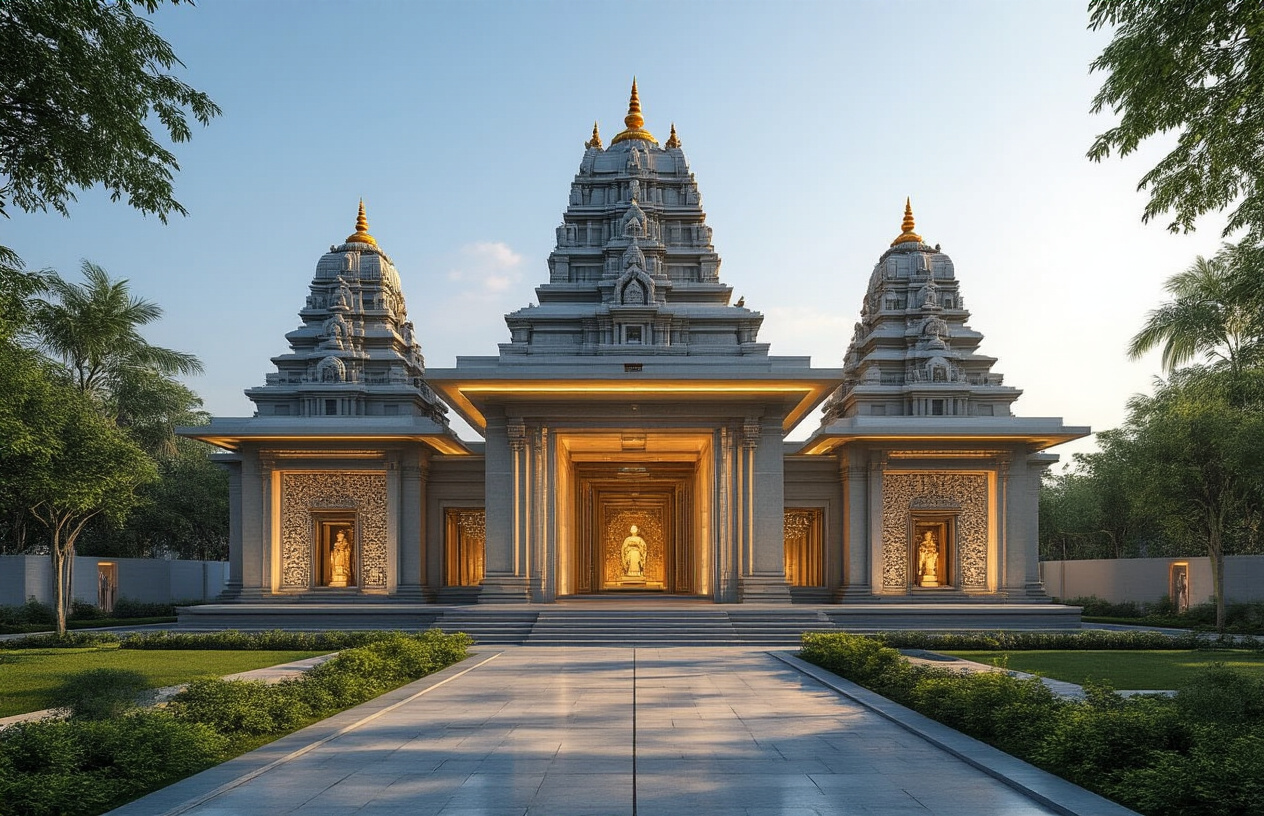
Urban Space Constraints and Architectural Innovations
Contemporary Hindu temple architecture faces unique challenges in today’s crowded urban landscapes. Modern Hindu temples must work within limited plots, often squeezed between commercial buildings or residential complexes. Architects have responded with creative vertical solutions, building upward rather than outward while maintaining traditional proportions and spiritual significance.
Steel frame construction now supports intricate stone carvings, allowing temples to rise taller while preserving the ornate details that define Hindu sacred architecture. Multi-level designs maximize worship space, with different floors dedicated to various deities or community functions. Underground parking and basement halls address practical needs without compromising the temple’s sacred footprint above ground.
Glass facades and climate-controlled environments protect ancient artistic traditions while accommodating modern comfort expectations. Some temples incorporate rooftop gardens that echo the natural settings of historical mountain temples, creating peaceful sanctuaries amid urban chaos.
Integration of Modern Amenities with Traditional Aesthetics
Today’s temple design principles seamlessly blend centuries-old architectural wisdom with contemporary conveniences. Air conditioning systems hide behind traditional carved screens, while LED lighting illuminates intricate sculptures without damaging delicate stonework. Sound systems distribute chants and prayers throughout sprawling complexes, ensuring everyone can participate regardless of crowd size.
Digital donation systems operate alongside traditional offering boxes, and electronic darshan queues manage visitor flow during festivals. Modern kitchens prepare prasadam for thousands while maintaining ritual purity standards. Security cameras and access controls protect valuable artifacts and ensure visitor safety without disrupting the meditative atmosphere.
Water purification systems supply the constant need for ritual cleansing, while elevators make multi-story temples accessible to elderly and disabled devotees. WiFi networks support live streaming of ceremonies for global audiences, extending the temple’s reach far beyond its physical boundaries.
Global Diaspora Temples and Cultural Preservation Efforts
Hindu temples worldwide serve as cultural anchors for diaspora communities, often becoming more elaborate than those in India as they carry the responsibility of preserving entire traditions. These temples function as comprehensive cultural centers, housing libraries, schools, and performance spaces alongside traditional worship areas.
Diaspora temples often blend local building codes with traditional design elements, creating unique architectural hybrids. The Hindu Temple of Greater Chicago incorporates limestone common to the Midwest while maintaining South Indian architectural principles. London’s Neasden Temple used Bulgarian limestone and Italian marble, demonstrating how global materials serve ancient design purposes.
These international sacred spaces frequently showcase multiple regional Indian architectural styles within single complexes, serving diverse immigrant populations. They host classical dance performances, language classes, and cultural festivals, ensuring younger generations maintain connections to their heritage. Many feature museums or exhibition halls that educate both Hindu and non-Hindu visitors about Indian religious traditions and temple architecture evolution.
Community kitchens in diaspora temples often serve as social hubs, preparing regional dishes that connect immigrants to their homeland while introducing local communities to Indian culture.
Evolving Worship Experiences in Today’s Sacred Spaces
Technology Integration in Prayer and Meditation Practices
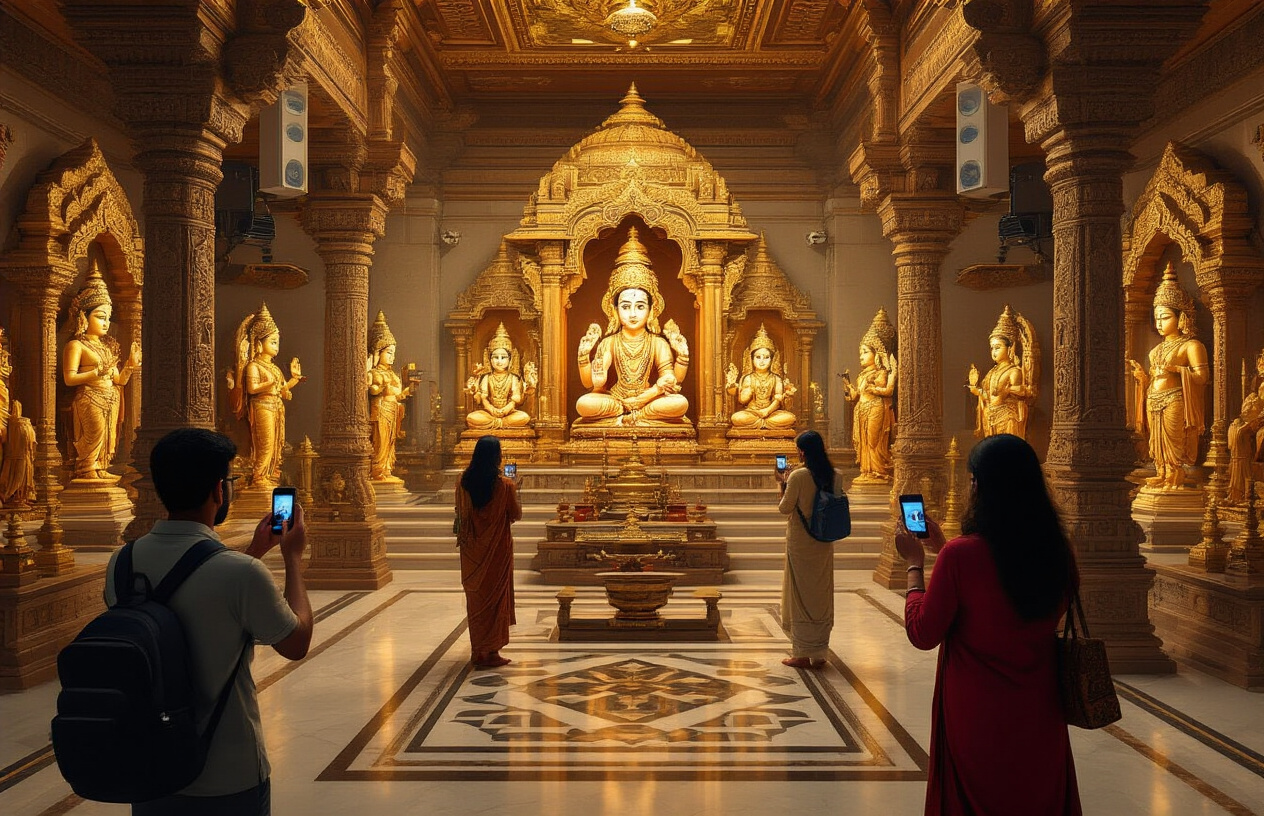
Modern Hindu temples have embraced digital transformation while maintaining their spiritual essence. Many sacred spaces now feature digital prayer wheels, LED displays showing mantras and shlokas, and sound systems that enhance meditation experiences with precisely tuned temple bells and chants. Some temples offer QR codes linking to prayer guides, allowing devotees to access translations and meanings of Sanskrit verses in real-time.
Meditation halls in contemporary Hindu temples often incorporate biofeedback technology and ambient lighting systems that respond to collective prayer energy. These innovations help practitioners deepen their spiritual practice without replacing traditional methods. Apps developed by temple communities provide guided meditation sessions, daily prayer schedules, and personalized spiritual content that connects modern worshippers with ancient wisdom.
Inclusive Approaches to Gender and Caste Participation
Today’s sacred spaces are breaking down historical barriers that limited temple access. Many modern Hindu temples actively promote gender equality by allowing women to participate in previously restricted rituals and ceremonies. Female priests now conduct pujas and ceremonies in progressive temples, reflecting changing social attitudes while honoring Hindu worship experiences.
Caste-based restrictions are gradually dissolving in contemporary temple settings. Forward-thinking temple committees have implemented open-door policies where spiritual merit supersedes social hierarchy. These changes represent a significant shift from traditional worship practices, creating more welcoming environments for all devotees regardless of their background.
Community kitchens (langars) in modern temples serve everyone equally, reinforcing the principle that spiritual nourishment transcends social divisions. This evolution demonstrates how sacred spaces adapt to contemporary values while preserving core religious teachings.
Educational Programs and Cultural Learning Opportunities
Contemporary Hindu temples function as cultural learning centers, offering classes in Sanskrit, classical music, dance, and yoga. These programs attract diverse audiences, including non-Hindu visitors interested in Indian philosophy and spirituality. Temple libraries now house both ancient texts and modern interpretations, making Hindu traditions accessible to younger generations.
Children’s programs combine traditional storytelling with interactive workshops, teaching Hindu mythology through art, drama, and music. Adult education series explore philosophical concepts like dharma, karma, and moksha through discussion groups and seminars led by knowledgeable practitioners and scholars.
Language preservation initiatives ensure that regional dialects used in specific ritual contexts continue thriving. Many temples organize cultural festivals that showcase regional variations in Hindu temple traditions, celebrating the religion’s diversity while fostering community bonds.
Digital Darshan and Virtual Pilgrimage Experiences
Virtual darshan has revolutionized how devotees connect with sacred spaces, especially those unable to visit physically. High-definition cameras stream live ceremonies from famous temples, allowing global participation in daily aartis and special festivals. These broadcasts maintain traditional timing and protocols while reaching international audiences.
Interactive virtual tours of ancient Indian temples help preserve architectural heritage while making these sites accessible worldwide. 360-degree imagery and detailed explanations of temple design principles educate viewers about sacred architecture India’s rich history.
Online pilgrimage platforms combine virtual visits with educational content about each temple’s significance, history, and unique traditions. Devotees can virtually circumambulate sacred spaces, participate in guided meditations, and even make digital offerings. These technological adaptations ensure that geographic limitations don’t prevent spiritual connection, demonstrating how modern Hindu temples embrace innovation while preserving devotional practices.
Community Functions Beyond Traditional Religious Practices
Social Service Initiatives and Charitable Activities
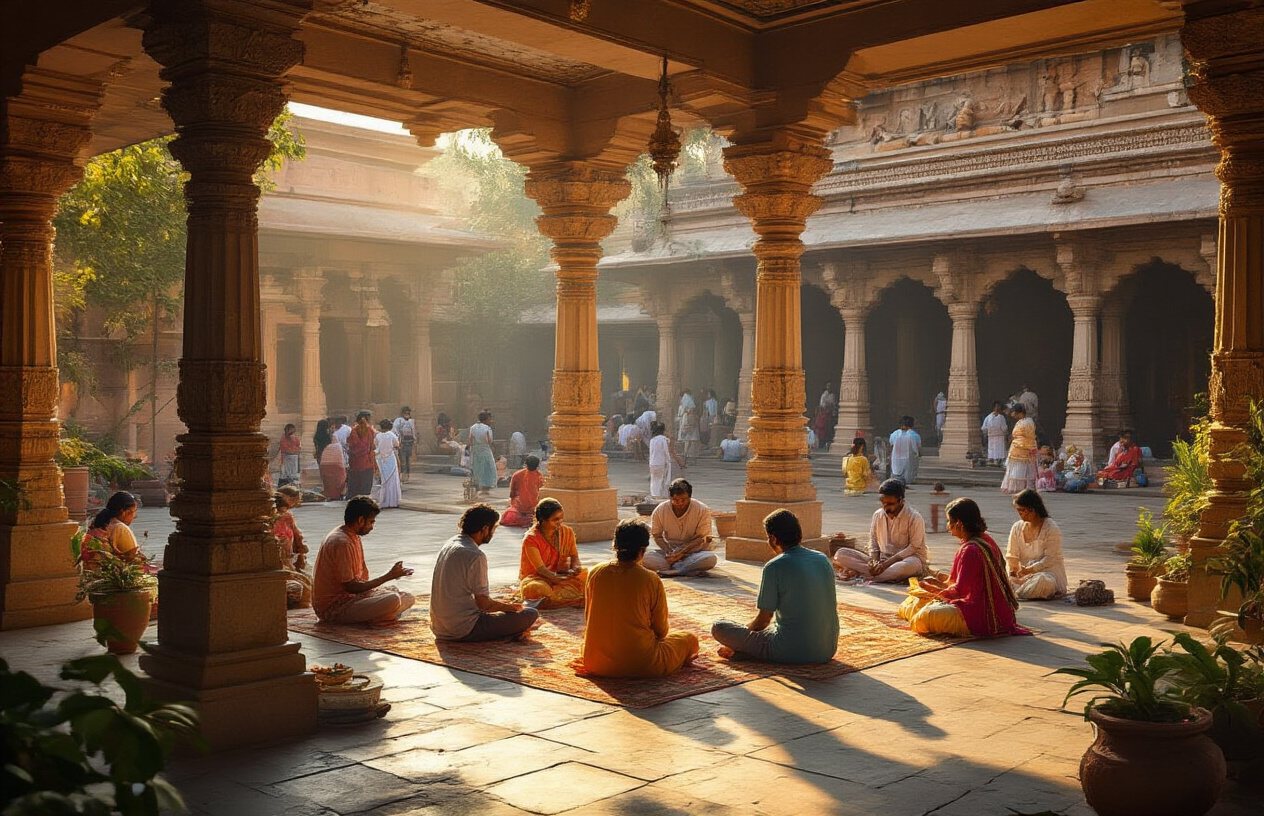
Modern Hindu temples have transformed into vibrant community hubs that extend far beyond traditional religious practices. Today’s sacred spaces actively engage in feeding the hungry through regular meal programs, providing free healthcare services, and supporting educational initiatives for underprivileged children. Many contemporary temple design principles now incorporate dedicated spaces for these activities, including community kitchens, medical clinics, and educational centers.
Large temple complexes like the Akshardham temples have pioneered comprehensive social service models, operating hospitals, schools, and disaster relief programs. These initiatives reflect ancient Hindu concepts of seva (selfless service) while adapting to contemporary community needs. Temple-run food banks, blood donation drives, and skills training programs have become commonplace, demonstrating how sacred architecture India embraces both spiritual and social responsibilities.
The integration of charitable activities has also influenced modern Hindu temples architectural planning, with designers creating flexible multipurpose halls and service-oriented spaces alongside traditional worship areas. This evolution shows how Hindu temple traditions adapt to serve broader community welfare while maintaining their spiritual essence.
Cultural Education and Youth Engagement Programs
Sacred spaces in India now serve as cultural preservation centers, offering language classes, classical arts training, and heritage education programs. Youth engagement has become a priority, with temples organizing cultural festivals, debate competitions, and leadership development workshops that connect younger generations to their roots.
Many temples conduct regular programs teaching Sanskrit, classical music, dance forms like Bharatanayana and Kathak, and traditional crafts. These educational initiatives help preserve cultural knowledge while making ancient wisdom accessible to modern audiences. Temple libraries and resource centers provide spaces for research and learning, supporting both academic studies and personal spiritual growth.
Digital integration has revolutionized these programs, with online classes, virtual cultural tours, and interactive workshops reaching global audiences. This technological embrace demonstrates how Hindu worship experiences evolve while maintaining authentic cultural transmission.
Interfaith Dialogue and Community Building Efforts
Contemporary Hindu temples actively promote interfaith understanding through organized dialogues, joint community service projects, and shared cultural celebrations. These initiatives create bridges between different religious communities while showcasing the inclusive nature of Hindu philosophy.
Regular interfaith forums bring together religious leaders and community members to discuss common values and collaborative solutions to local challenges. Many temples host open houses during major festivals, inviting people from all backgrounds to experience Hindu traditions firsthand. This openness reflects how modern temple spaces serve as platforms for building mutual respect and understanding across religious boundaries.
Community building extends to neighborhood improvement projects, environmental conservation efforts, and disaster response coordination, where temples work alongside mosques, churches, and other religious institutions to address shared concerns and strengthen social fabric.
Balancing Preservation with Progress in Sacred Architecture
Heritage conservation challenges and solutions
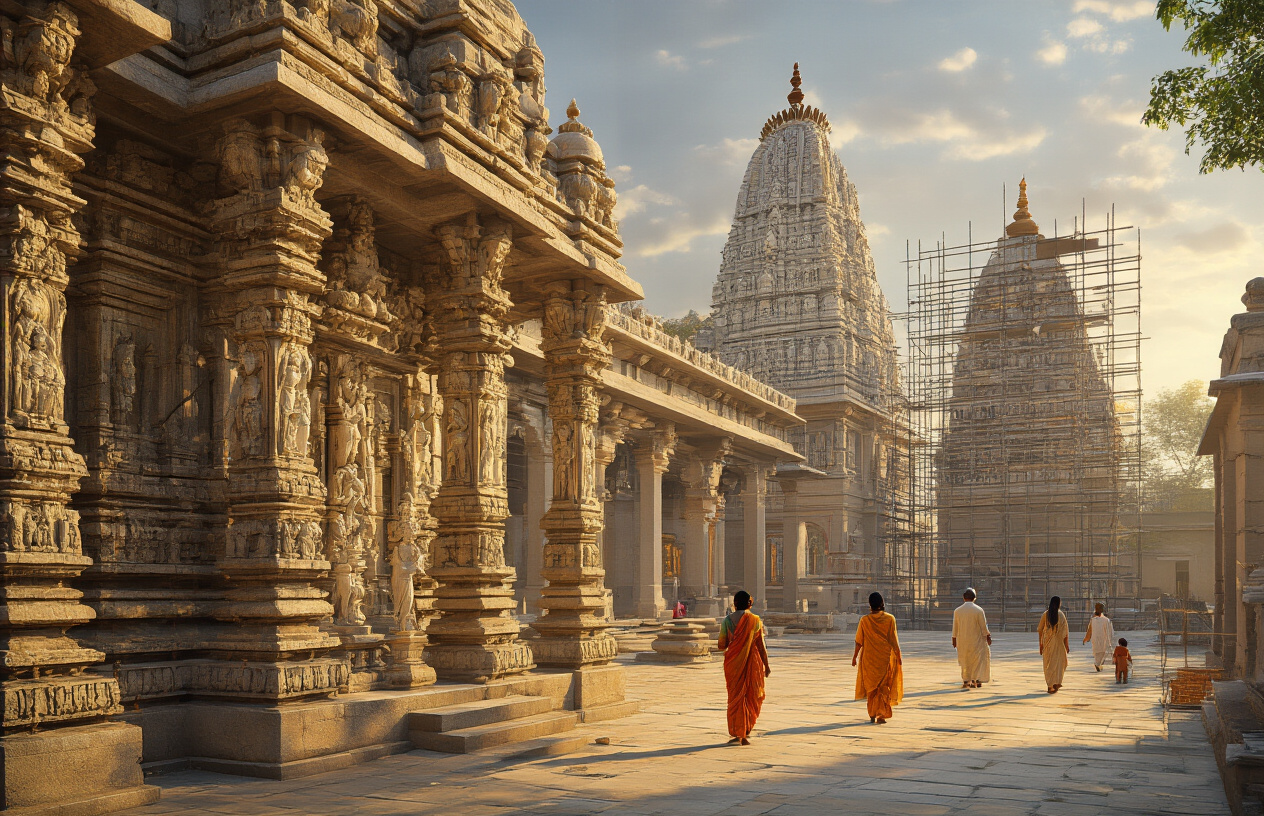
Indian temple heritage faces mounting pressures from urbanization, pollution, and natural weathering. Ancient structures like the Khajuraho temples and Hampi monuments show visible deterioration from acid rain and tourist footfall. Archaeological Survey of India reports that over 3,600 protected monuments need immediate attention, with Hindu temple architecture bearing the brunt of environmental damage.
Modern conservation techniques now blend traditional craftsmanship with cutting-edge technology. Laser cleaning removes centuries of grime without damaging intricate stone carvings, while 3D scanning creates detailed digital archives of temple structures. The restoration of Kailasa Temple at Ellora demonstrates how ancient Indian temples can be preserved using non-invasive methods that maintain structural integrity while enhancing visitor experience.
Community involvement proves crucial for successful heritage conservation. Local artisan families, who’ve maintained temple-building skills for generations, work alongside archaeologists to ensure authentic restoration. The Brihadeeswara Temple in Thanjavur showcases this collaborative approach, where traditional craftsmen recreated missing sculptures using original techniques and locally sourced materials.
Funding remains a persistent challenge. Government allocations often fall short, pushing temple trusts to seek private partnerships. Corporate sponsorship programs now support major restoration projects, though strict guidelines ensure commercial interests don’t compromise sacred architecture India’s authenticity.
Sustainable building practices in new temple construction
Contemporary temple design increasingly embraces eco-friendly construction methods. Modern Hindu temples like the BAPS Akshardham complexes incorporate rainwater harvesting, solar panels, and natural ventilation systems that reduce environmental impact while maintaining spiritual ambiance.
Green building materials replace traditional resources where sustainability demands it. Recycled stone, bamboo structural elements, and locally sourced clay bricks reduce carbon footprints without compromising aesthetic appeal. The Lotus Temple in Delhi pioneered this approach, using innovative concrete shells that minimize material waste while creating stunning architectural forms.
Energy-efficient lighting systems now illuminate temple interiors without the heat and maintenance issues of traditional oil lamps. LED technology mimics the warm glow of flame while dramatically reducing power consumption. Smart building systems automatically adjust lighting and climate control based on occupancy and time of day.
Water conservation features prominently in new temple construction. Sacred ponds and ritual bathing areas incorporate natural filtration systems and water recycling technologies. Temple complexes integrate landscaping that requires minimal irrigation while preserving the traditional garden elements essential to Hindu worship experiences.
Adapting ancient wisdom for contemporary spiritual needs
Temple architecture evolution responds to changing worship patterns and community requirements. Ancient design principles like vastu shastra remain relevant, but contemporary adaptations accommodate larger congregations and diverse spiritual practices within traditional frameworks.
Flexible space design allows multipurpose usage without compromising sacred geometry. Prayer halls can transform for cultural programs, educational activities, and community gatherings while maintaining their primary religious function. Removable partitions and modular seating arrangements provide this adaptability.
Technology integration enhances spiritual experiences without disrupting traditional ambiance. Audio systems distribute prayers and chants clearly throughout large spaces, while digital displays provide multilingual explanations of rituals for diverse congregations. Some temples offer virtual reality experiences of ancient pilgrimage sites for elderly or physically limited devotees.
Accessibility improvements ensure sacred spaces welcome all devotees. Ramps, elevators, and barrier-free pathways integrate seamlessly with traditional architecture. Sign language interpretation and braille materials make religious teachings accessible to differently-abled community members.
Economic considerations in maintaining sacred spaces
Temple maintenance costs continue rising as structures age and visitor numbers increase. Ancient temples require specialized materials and craftspeople, making restoration expensive. Regular maintenance programs spread costs over time while preventing major structural problems that demand costly emergency interventions.
Revenue generation through cultural tourism helps sustain temple operations. Religious spaces modernization includes visitor centers, museums, and guided tour programs that educate people about Hindu temple traditions while generating income for maintenance funds. Careful planning ensures commercial activities don’t interfere with worship practices.
Donation management systems now use digital platforms for transparency and efficiency. Online contribution portals allow devotees worldwide to support specific restoration projects or ongoing maintenance needs. Blockchain technology ensures donation tracking and accountability in some progressive temple administrations.
Professional management reduces operational costs through efficient resource allocation. Trained administrators balance religious requirements with practical considerations, optimizing staff schedules, utility usage, and facility maintenance. Energy audits identify cost-saving opportunities while preserving the spiritual atmosphere essential to Hindu sacred spaces.
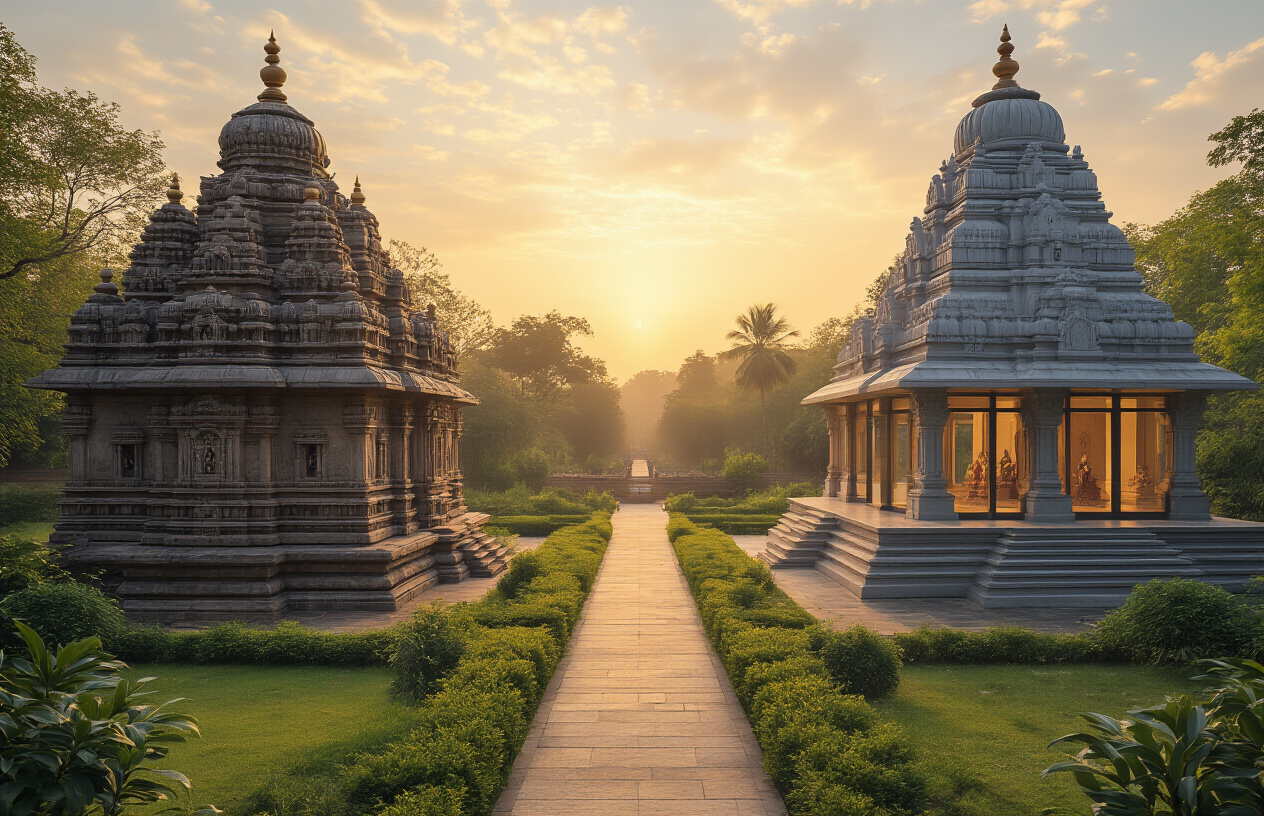
Hindu temples have transformed dramatically over thousands of years, yet their sacred essence remains unchanged. Ancient temples followed strict architectural principles rooted in Vastu Shastra, while today’s temples embrace modern materials and innovative designs that serve growing urban communities. The shift from purely traditional rituals to more inclusive worship experiences shows how adaptable Hindu spiritual practices can be without losing their core meaning.
The real magic happens when communities find the sweet spot between honoring their heritage and meeting contemporary needs. Modern temples aren’t just places of worship anymore—they’re community centers, cultural hubs, and educational spaces that bring people together. As Hindu sacred spaces continue to evolve, the challenge isn’t choosing between old and new, but creating spaces that speak to both the soul and the times we live in.
