
- 1
- 1
- 9
- 9
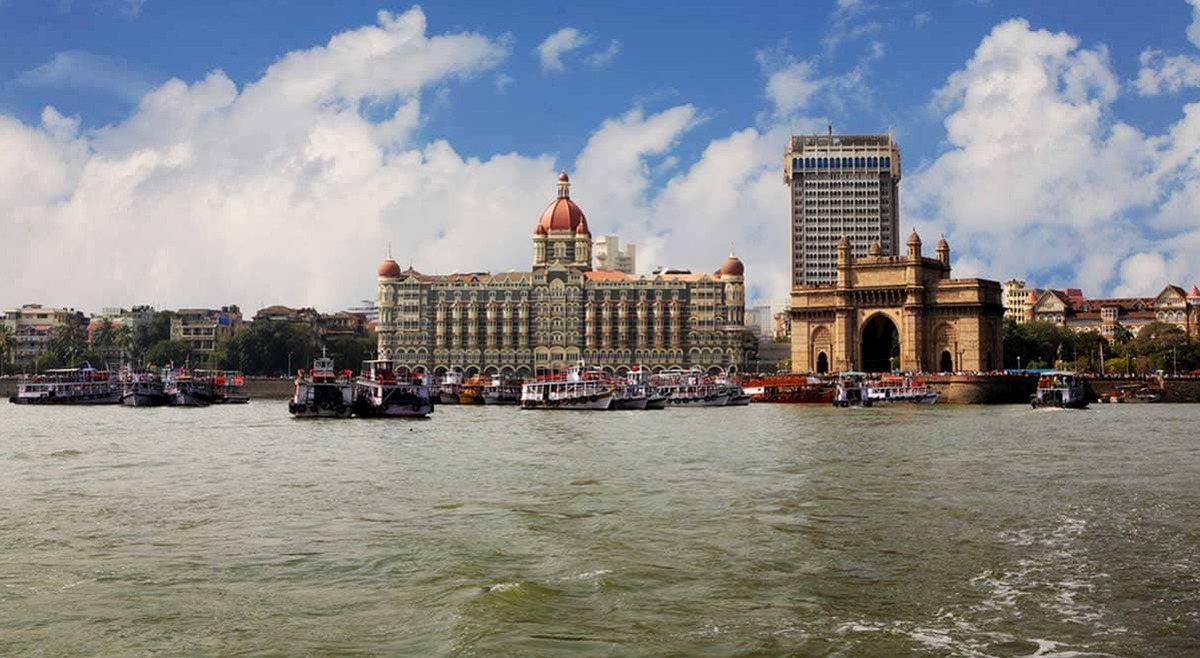
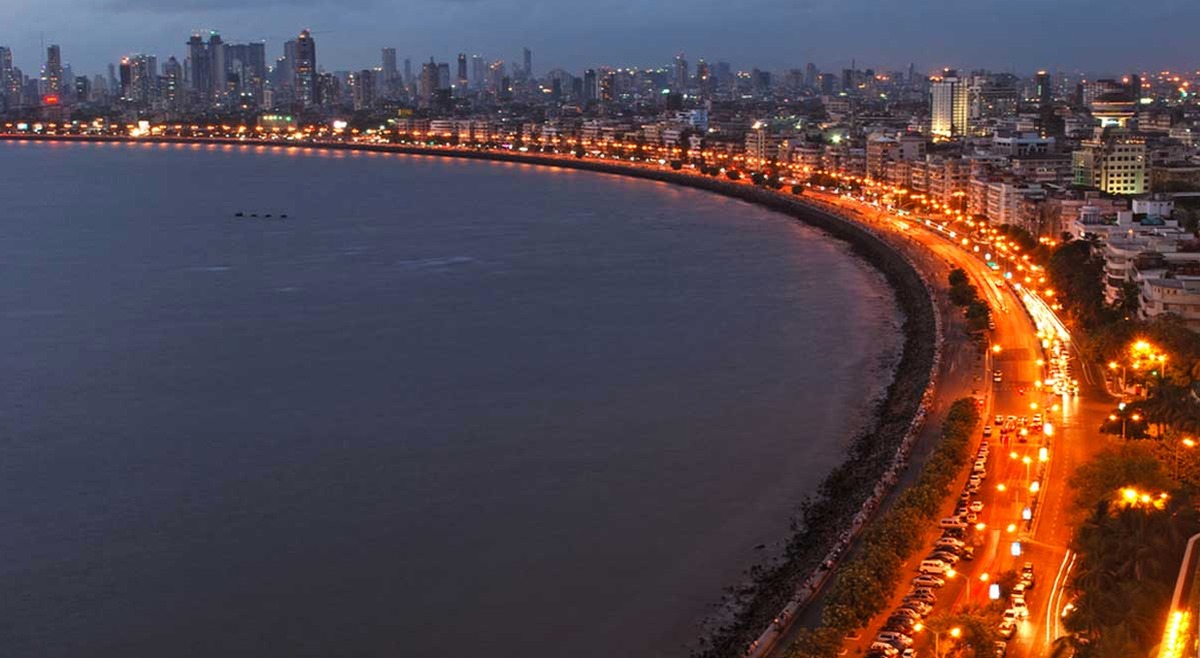
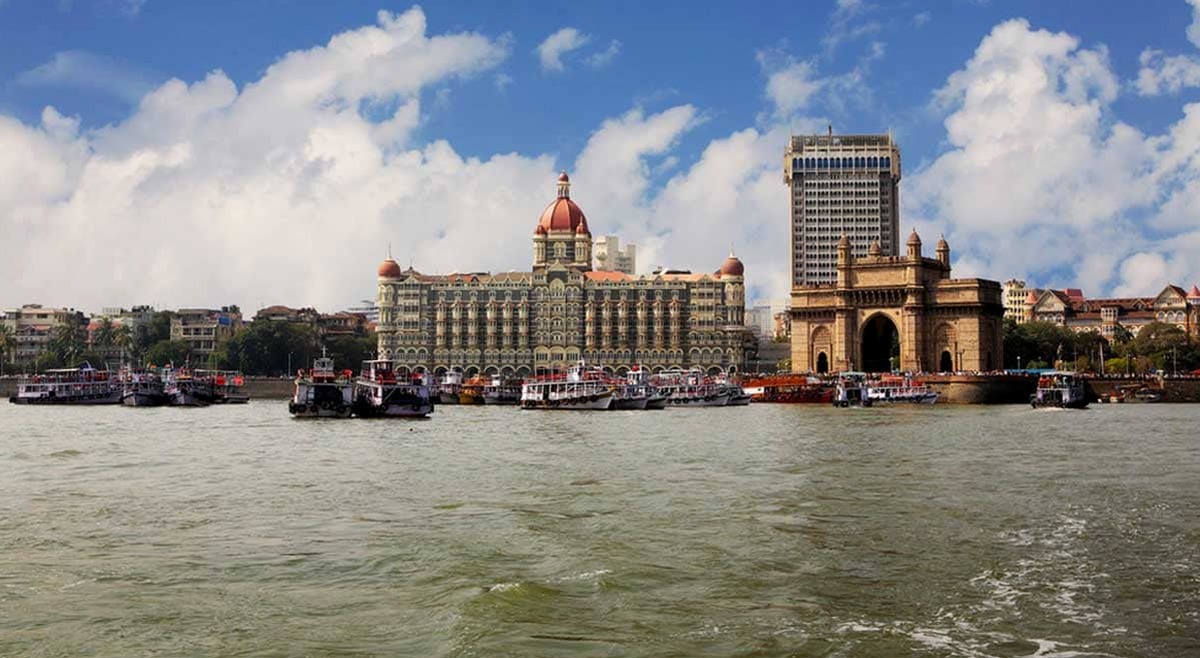
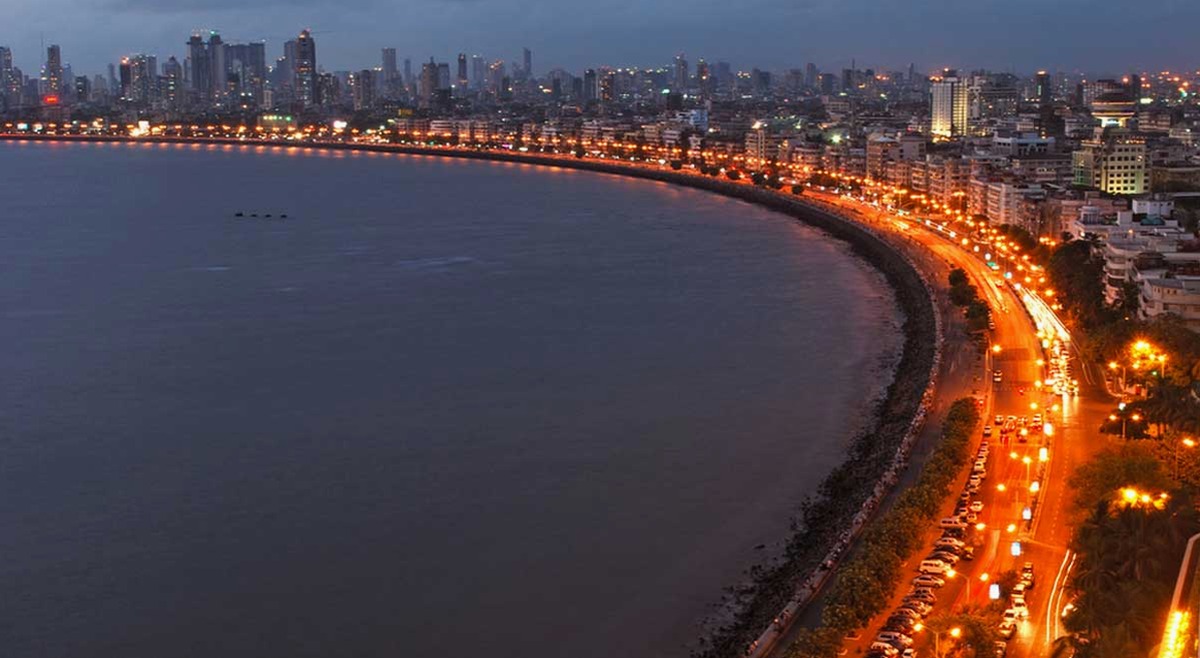
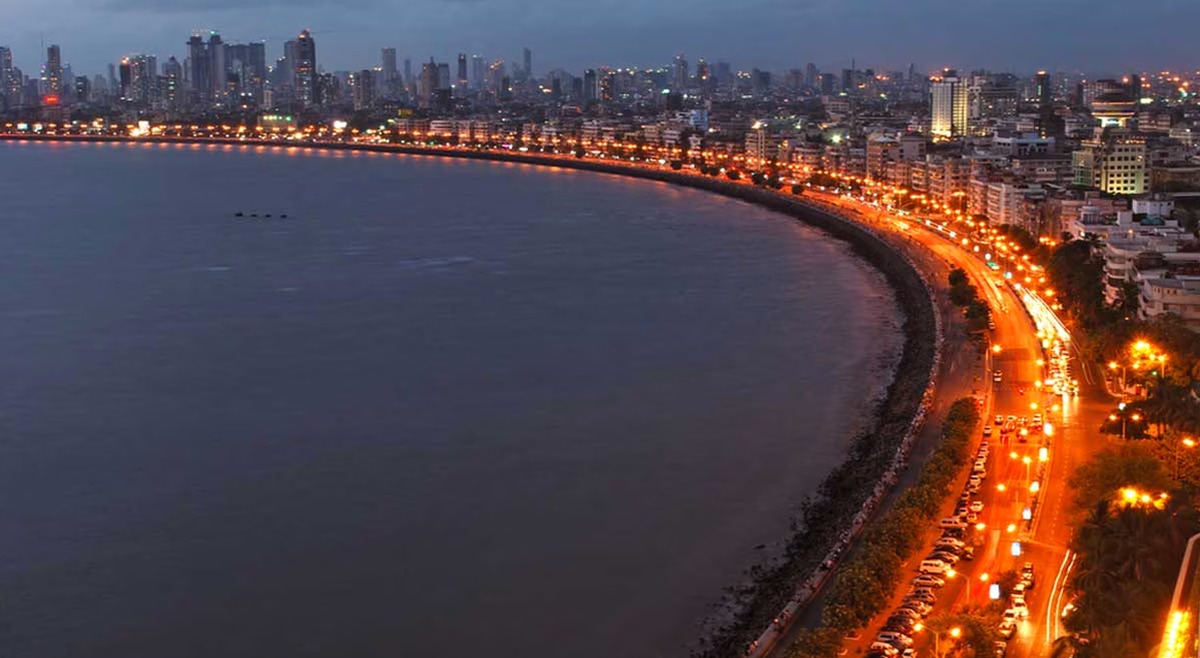
Mumbai is a city that never sleeps and always rewards. Whether you are marvelling at the Victorian architecture of South Mumbai, meditating at the Global Pagoda, or watching the sunset over the Arabian Sea at Marine Drive, our travel plans ensure a high-comfort, insightful journey through the heart of India’s commercial capital.

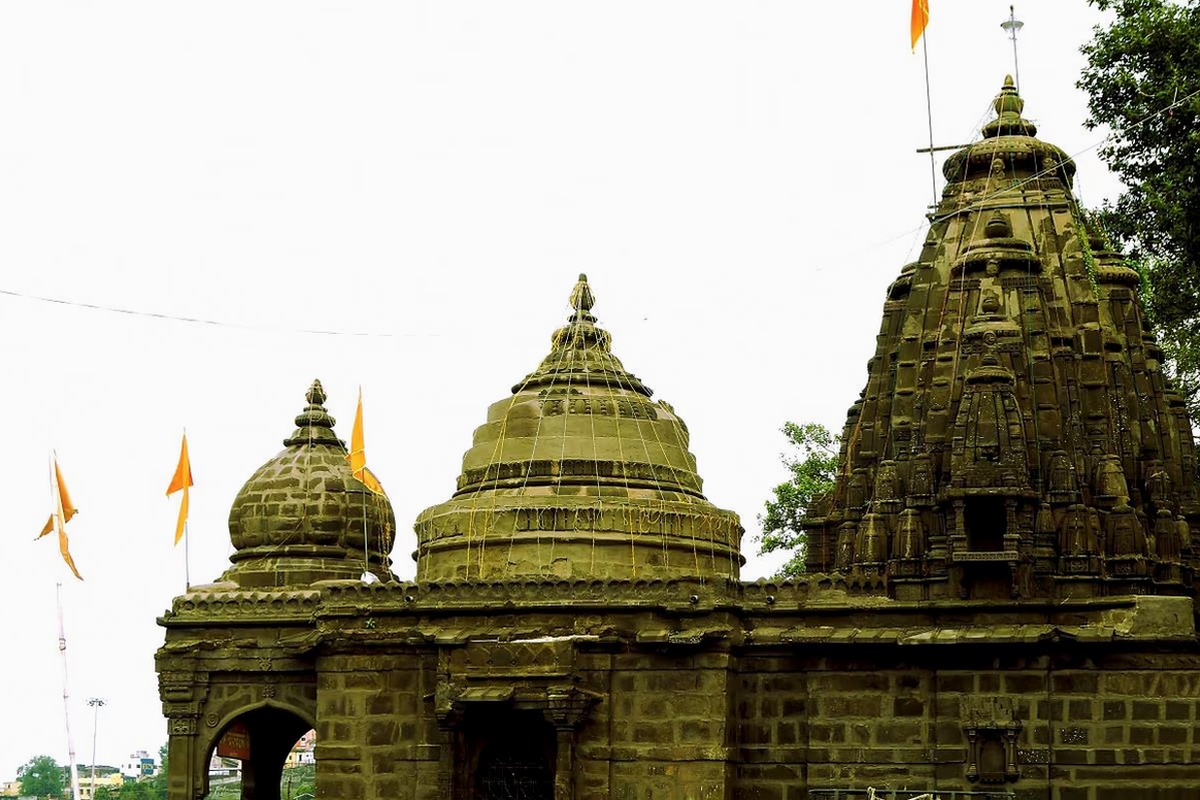
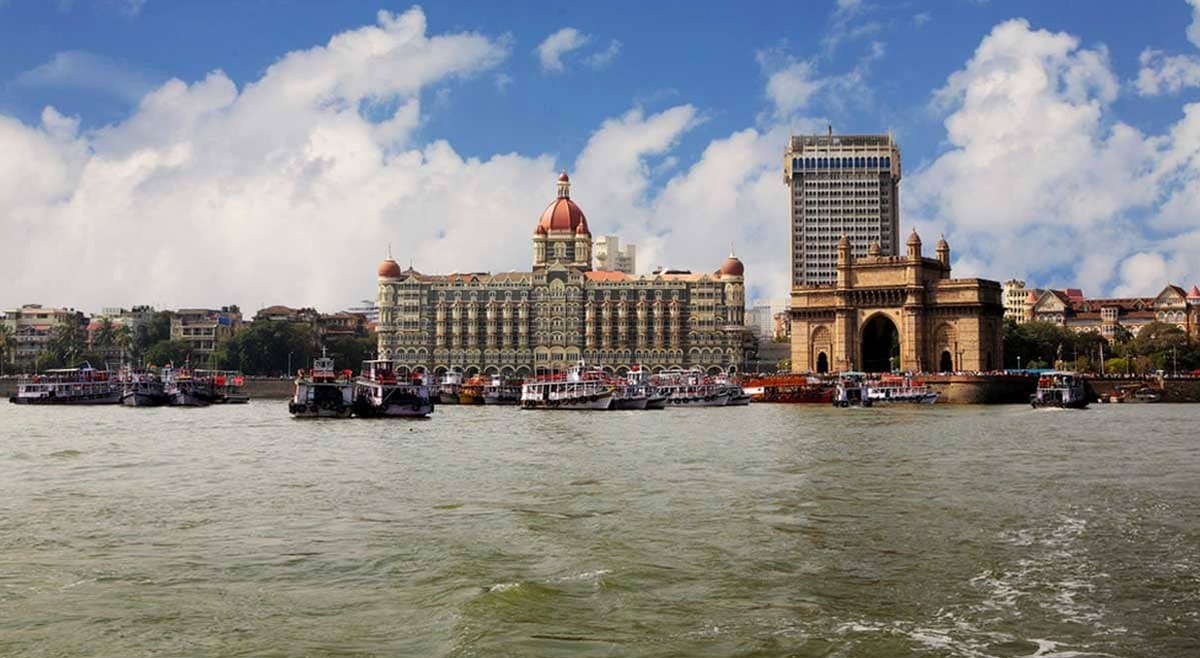


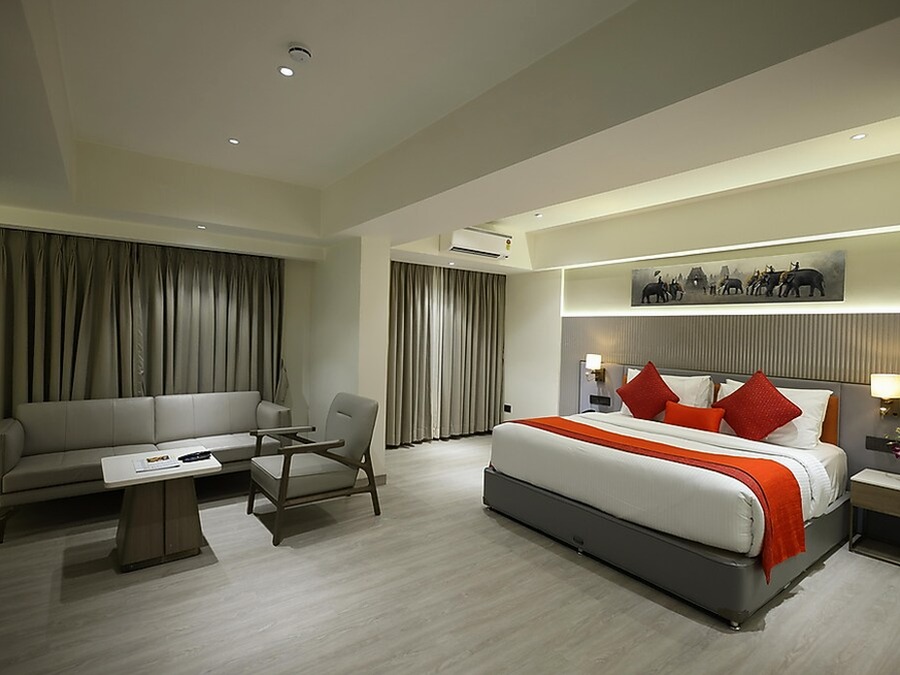
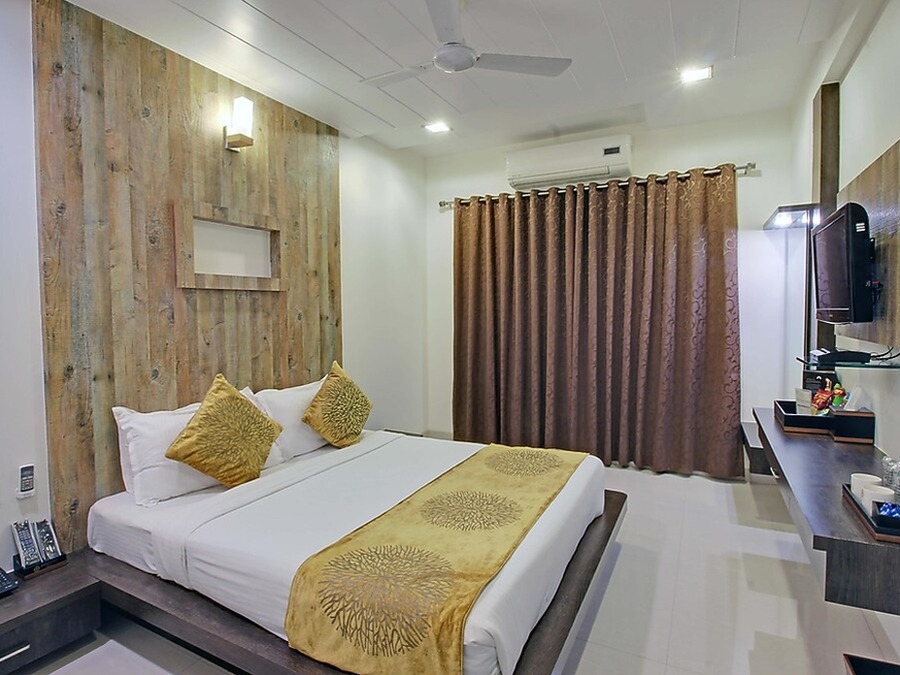
Spend 5 nights and 6 days across Mumbai, Pune, Chhatrapati Sambhajinagar and Nashik, from the Gateway of India to easy days at your own pace. 3 star hotels, daily
Chhatrapati Sambhajinagar, Maharashtra, Mumbai, Nashik, Pune
2 People
Duration
6 Days - 5 Nights
₹31,254
Next Departures
June 23, 2026 (Available)July 1, 2026 (Available)August 1, 2026 (Available)
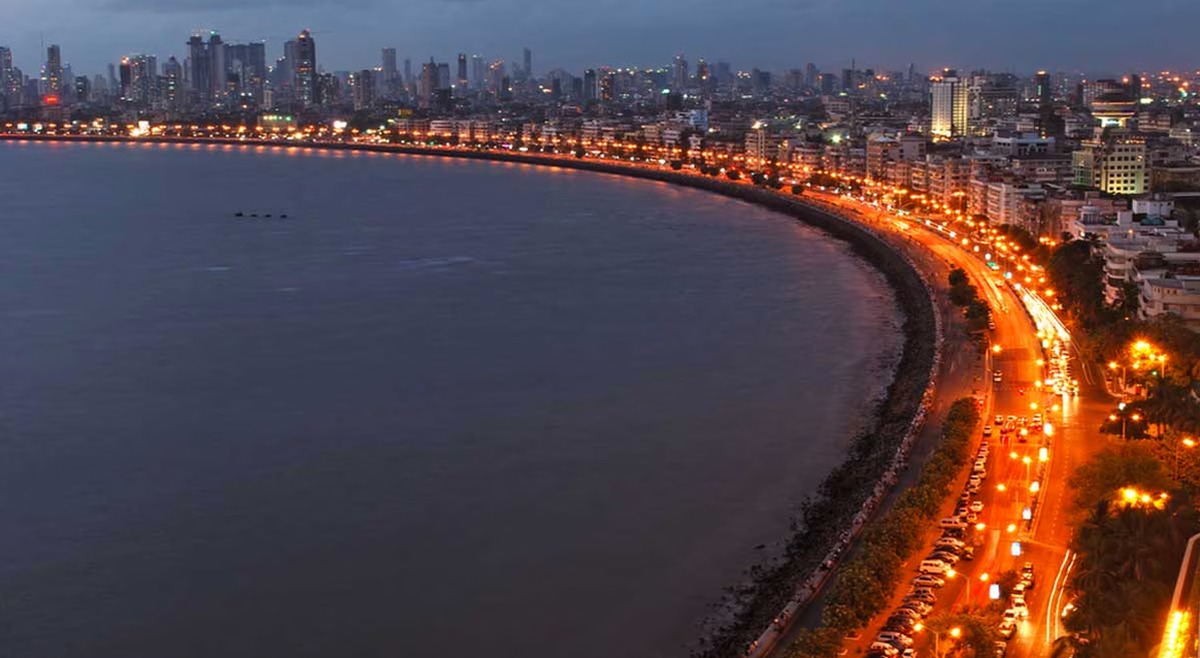


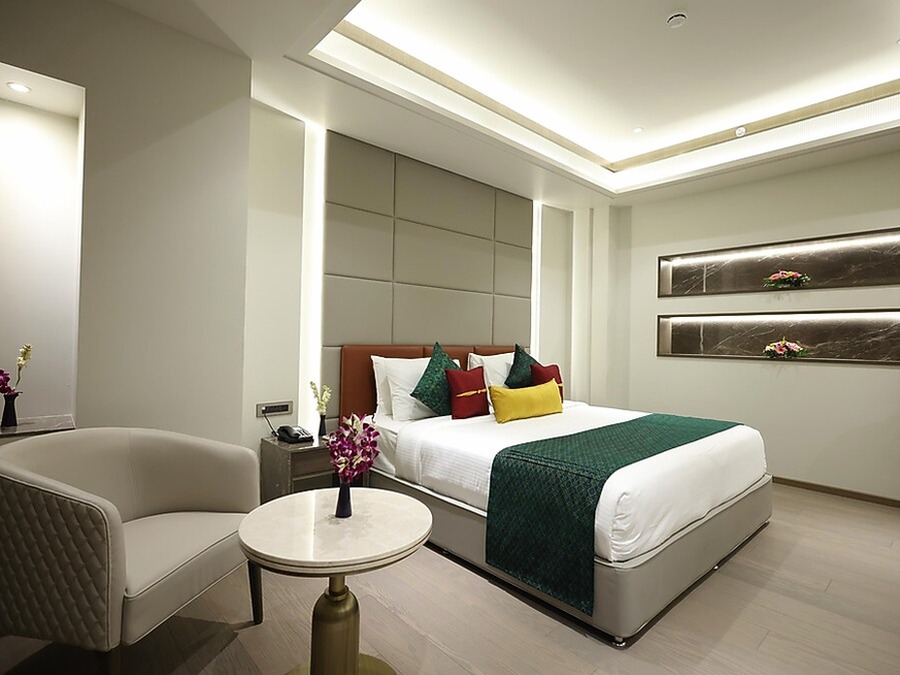

Cost Per Passenger Is Based On Number Of Travellers
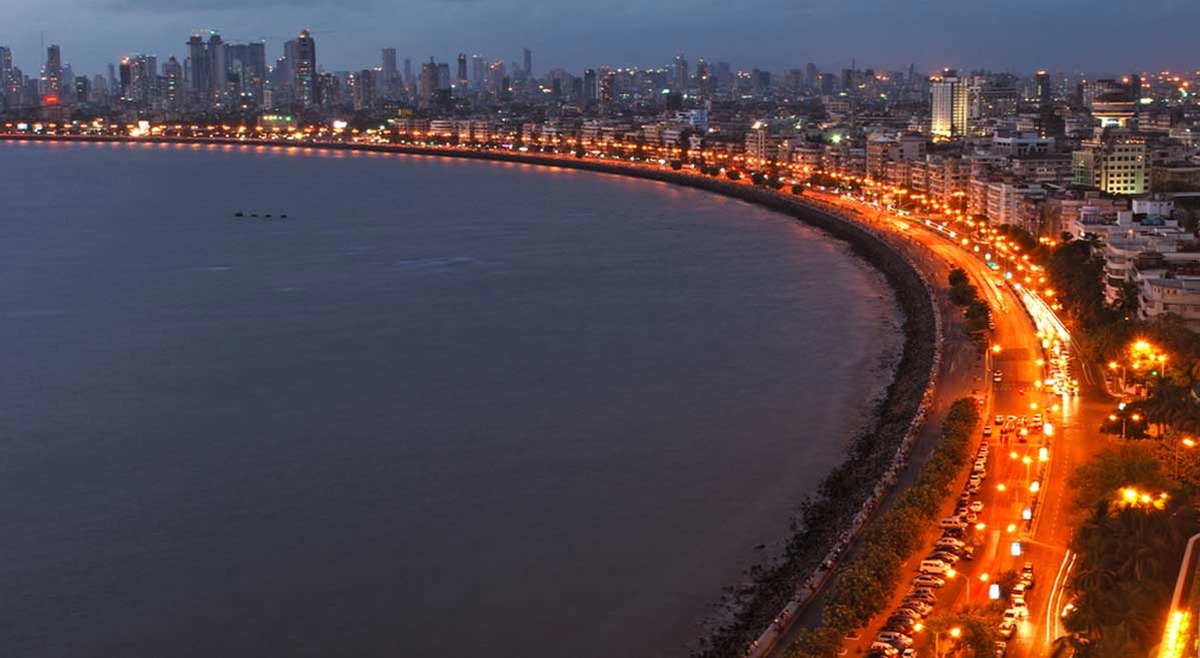
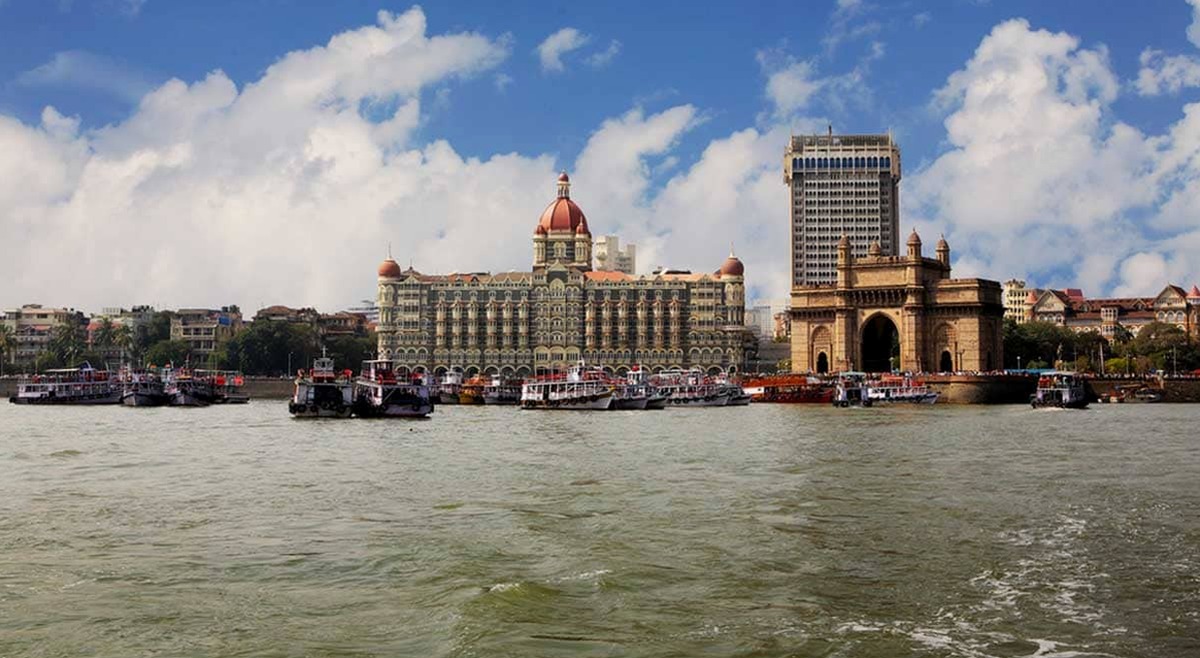
Four-night Shirdi and Mumbai trip pairing Sai Baba darshan with the city's sights, 5-star stays and breakfast.
Maharashtra, Mumbai, Shirdi
2 People
Duration
5 Days - 4 Nights
₹31,289
Next Departures
June 23, 2026 (Available)July 1, 2026 (Available)August 1, 2026 (Available)




Cost Per Passenger Is Based On Number Of Travellers
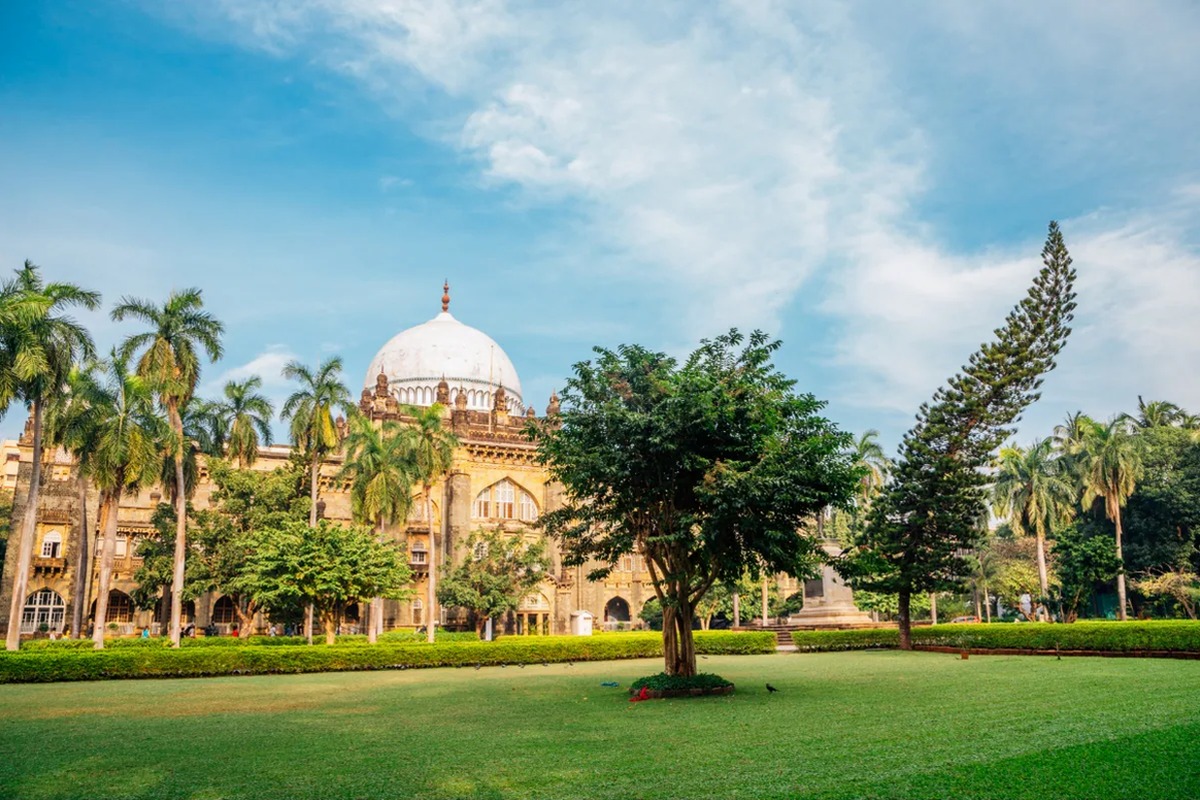
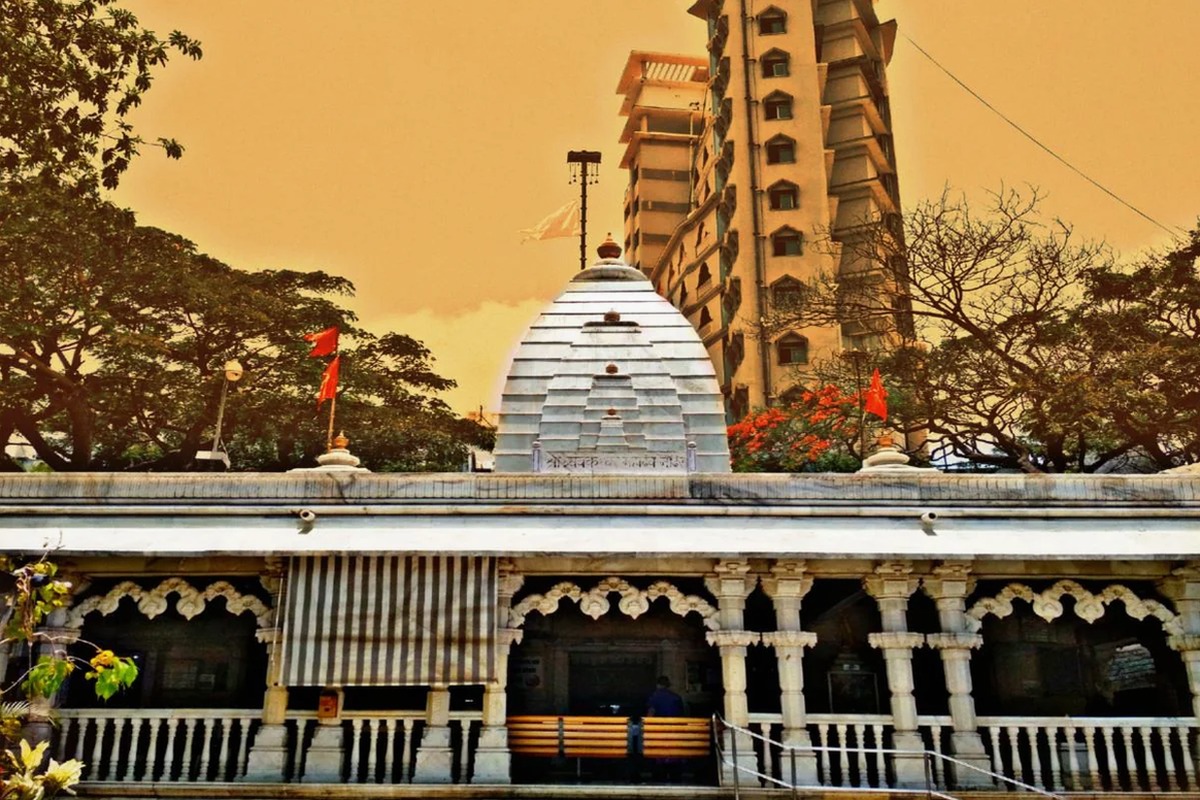
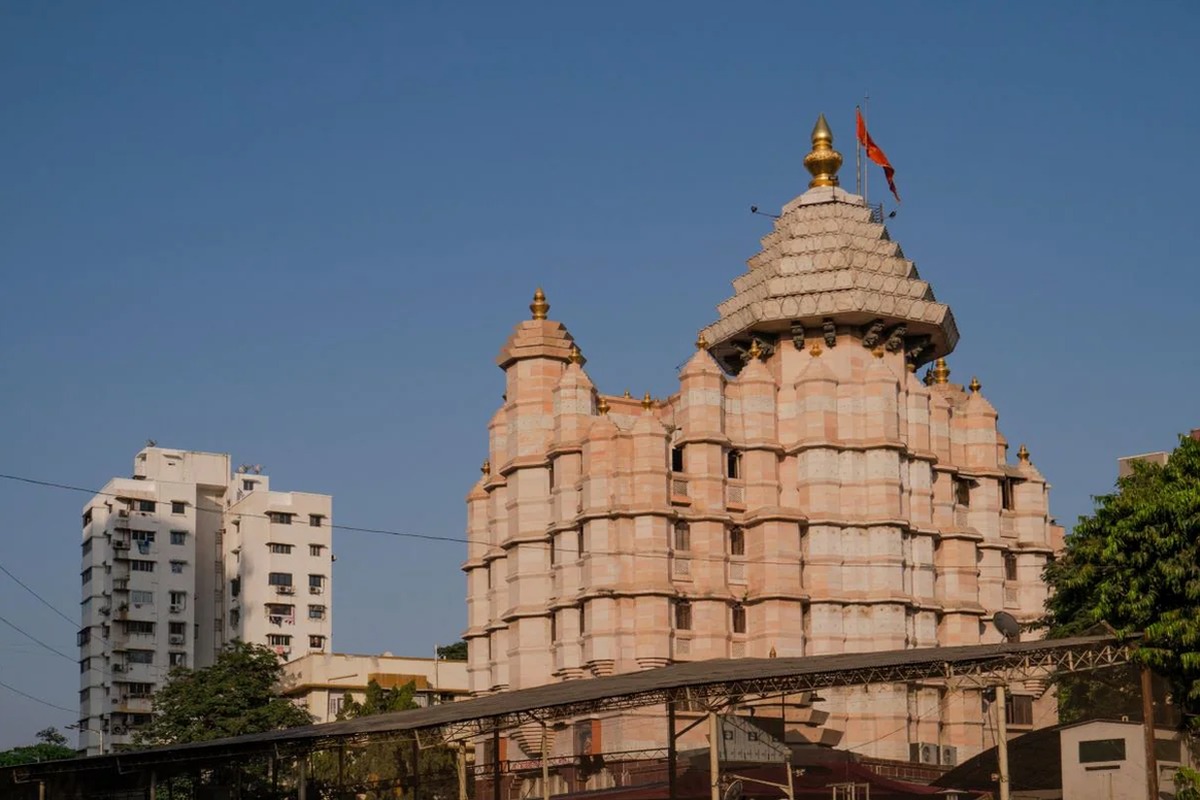
Two-night premium Mumbai escape at a 5-star airport hotel with Siddhivinayak, Marine Drive and the Gateway of India.
Maharashtra, Mumbai
2 People
Duration
3 Days - 2 Nights
₹20,944
Next Departures
June 23, 2026 (Available)July 1, 2026 (Available)August 1, 2026 (Available)




Cost Per Passenger Is Based On Number Of Travellers
Five-night Maharashtra honeymoon across Mumbai, Lonavala, Mahabaleshwar and Alibaug, blending city, hills and coast.
Alibaug, Lonavala, Mahabaleshwar, Maharashtra, Mumbai
2 People
Duration
6 Days - 5 Nights
₹30,577
Next Departures
June 23, 2026 (Available)July 1, 2026 (Available)August 1, 2026 (Available)




Cost Per Passenger Is Based On Number Of Travellers
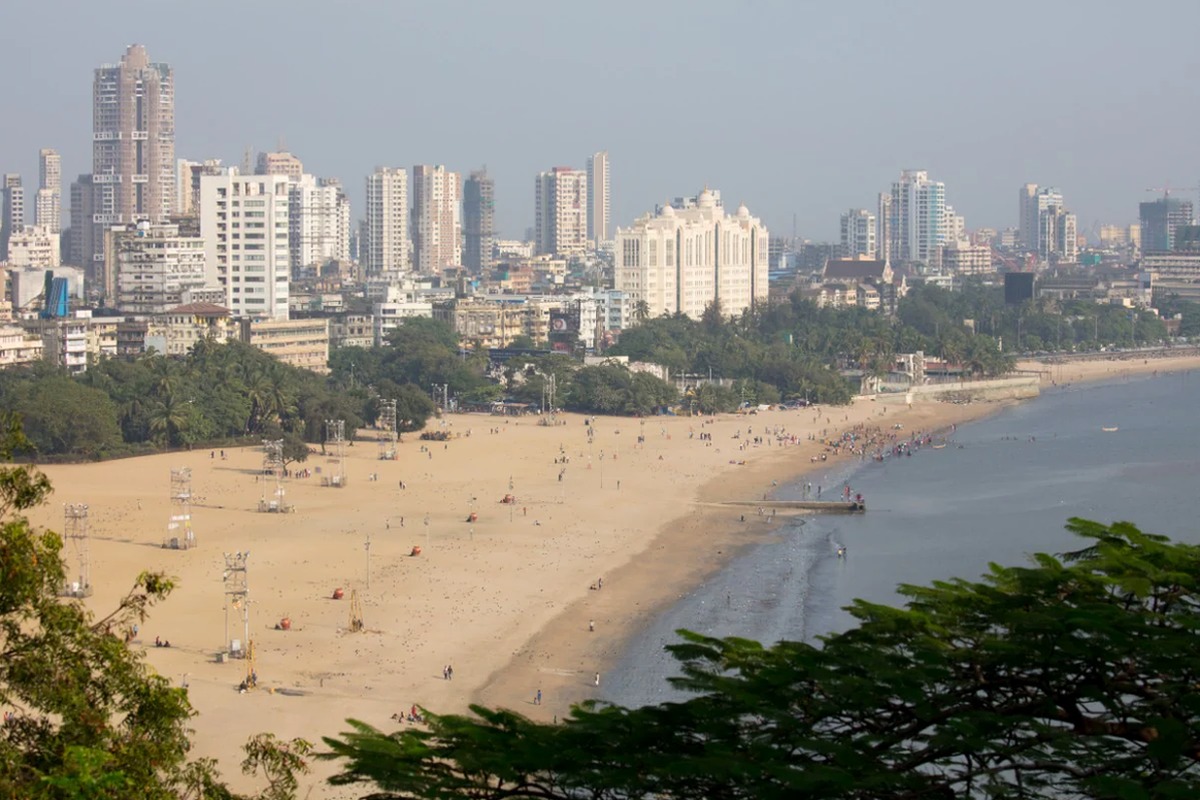
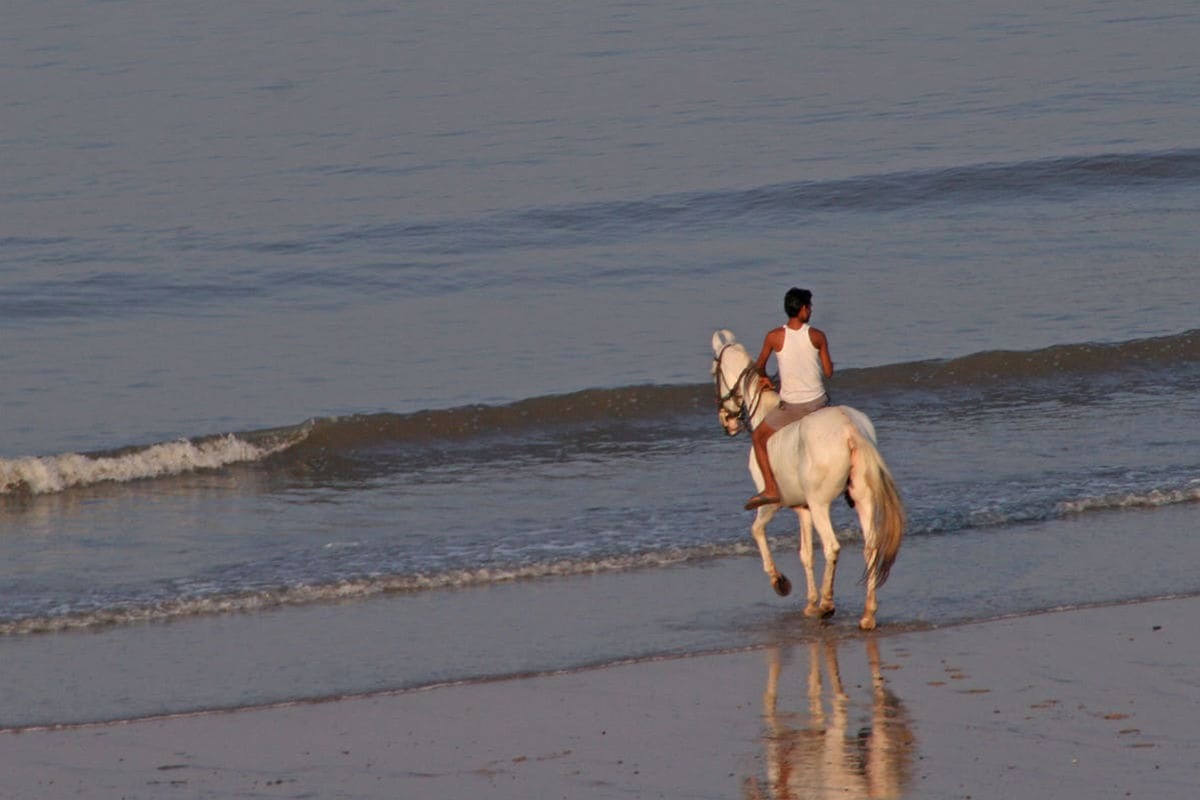
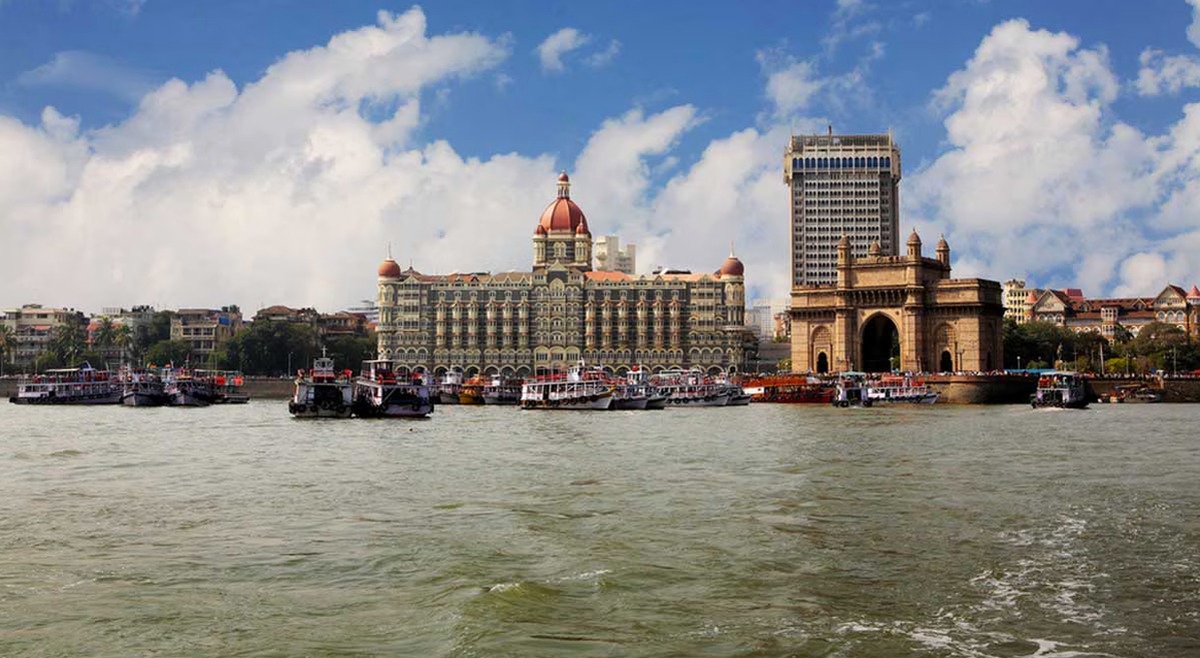
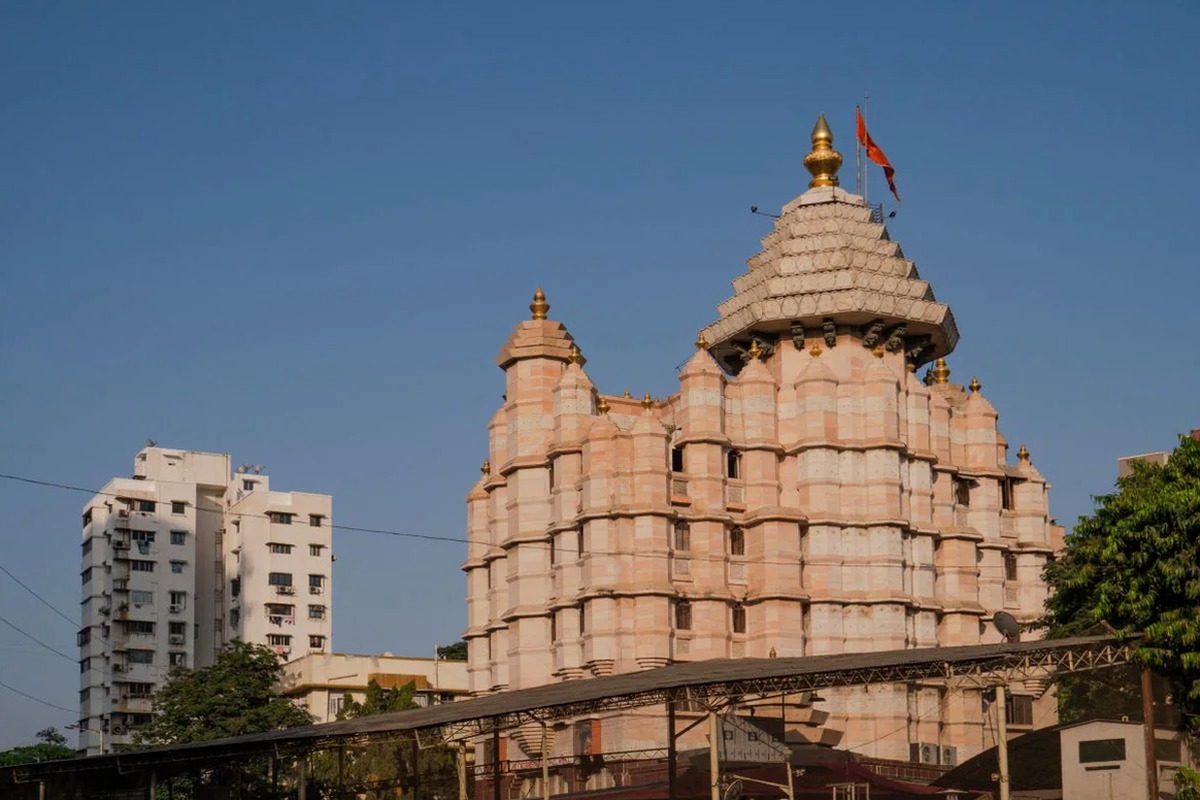
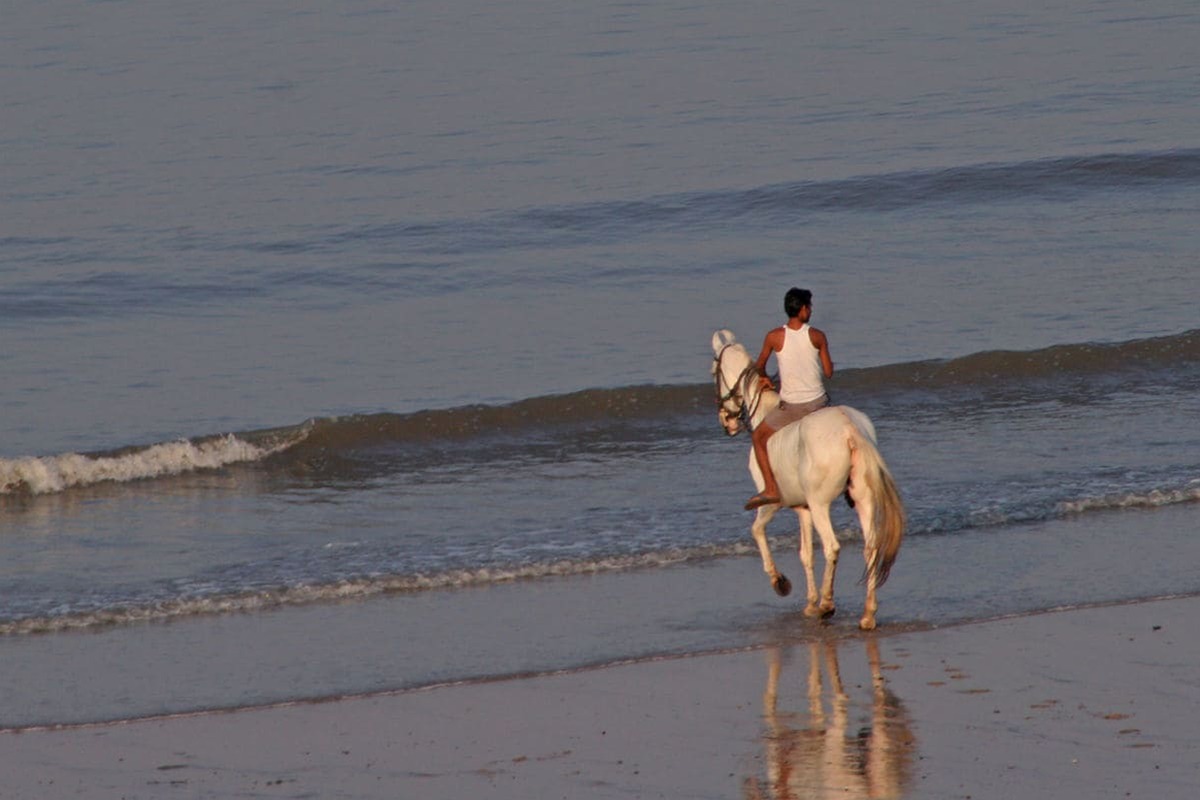
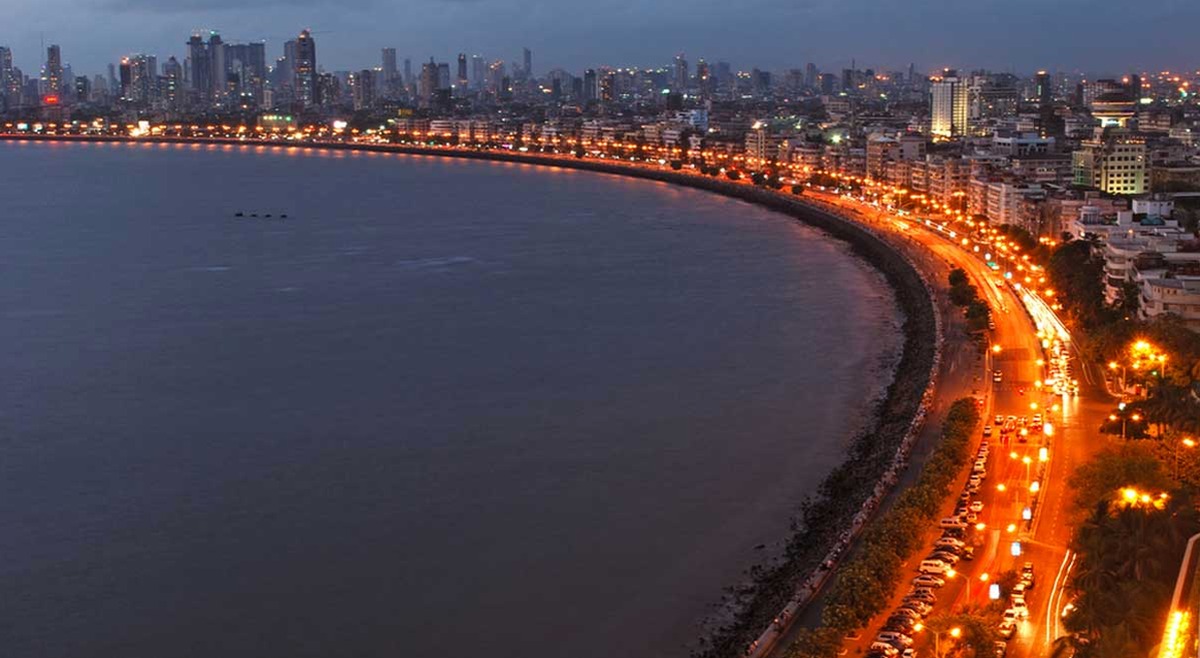
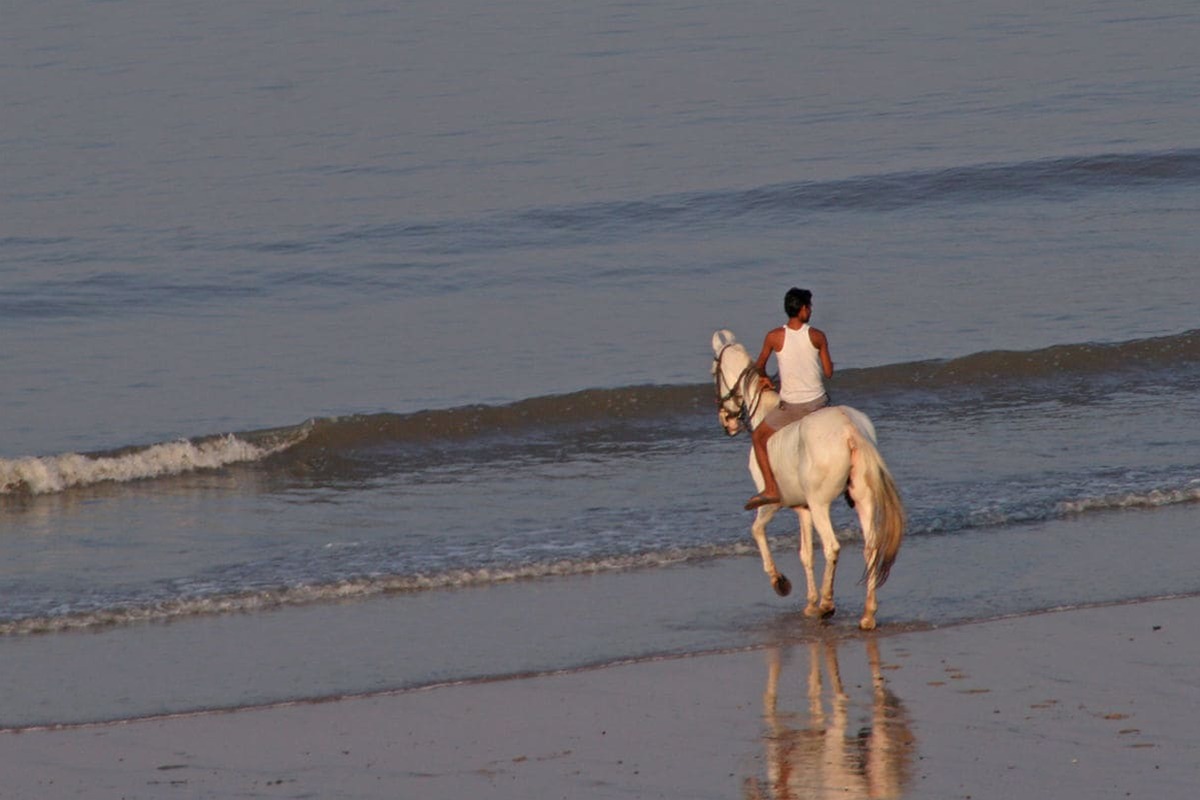
Two-night Mumbai break at a 5-star airport hotel with Siddhivinayak, Marine Drive, the Gateway of India and Juhu Beach.
Maharashtra, Mumbai
2 People
Duration
3 Days - 2 Nights
₹25,476
Next Departures
June 23, 2026 (Available)July 1, 2026 (Available)August 1, 2026 (Available)



Cost Per Passenger Is Based On Number Of Travellers
Short two-night Mumbai holiday with Siddhivinayak, Marine Drive, the Gateway of India and Juhu Beach, breakfast included.
Maharashtra, Mumbai
2 People
Duration
3 Days - 2 Nights
₹14,164
Next Departures
June 23, 2026 (Available)July 1, 2026 (Available)August 1, 2026 (Available)




Cost Per Passenger Is Based On Number Of Travellers
Three-night Mumbai city trip taking in the Gateway of India, Marine Drive, Siddhivinayak and Juhu Beach, breakfast included.
Maharashtra, Mumbai
2 People
Duration
4 Days - 3 Nights
₹19,652
Next Departures
June 23, 2026 (Available)July 1, 2026 (Available)August 1, 2026 (Available)
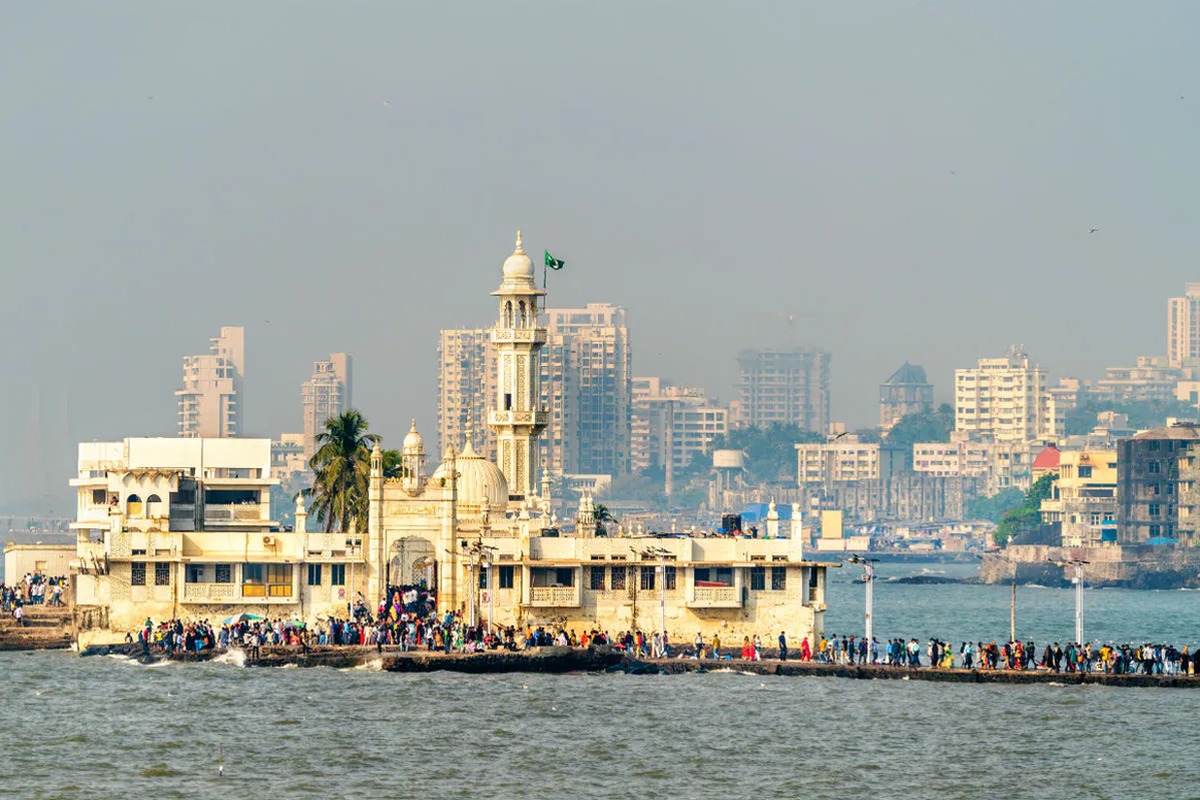


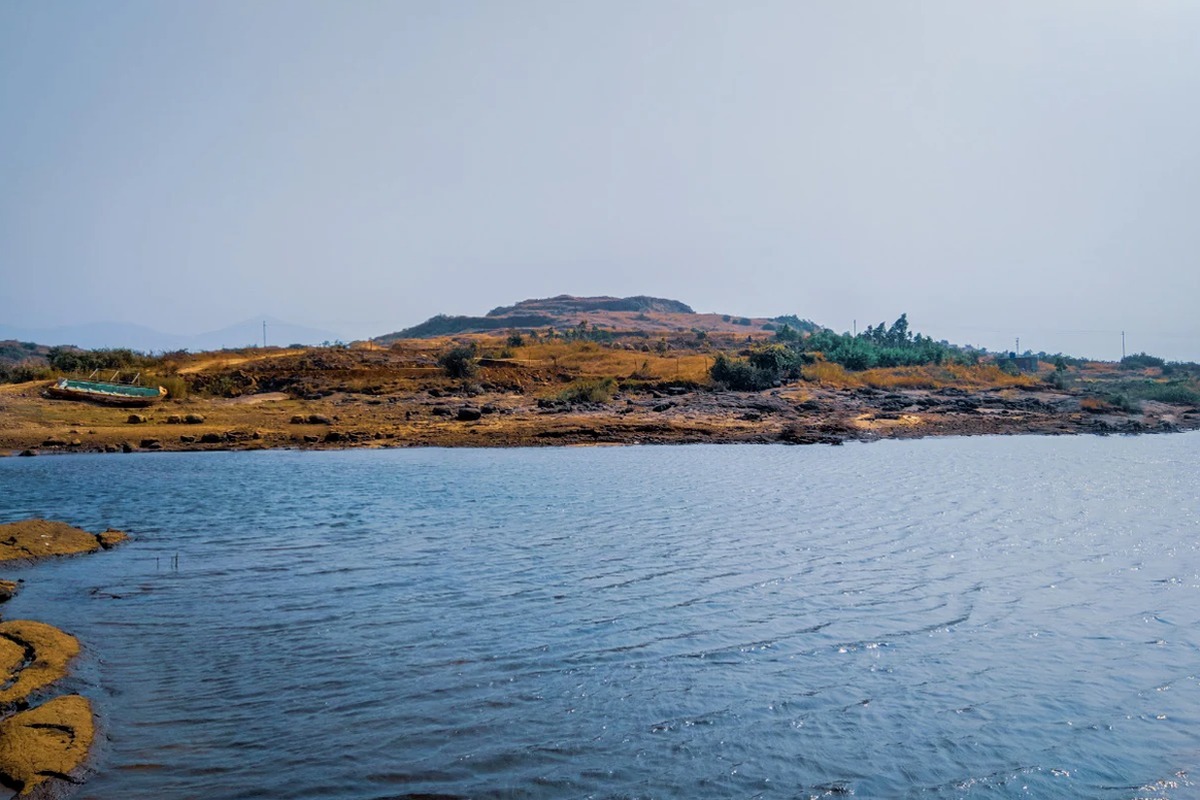
Split four nights between bustling Mumbai and the Lonavala hills, with Tiger's Leap viewpoint and the Gateway of India.
Lonavala, Maharashtra, Mumbai
2 People
Duration
5 Days - 4 Nights
₹21,908
Next Departures
June 23, 2026 (Available)July 1, 2026 (Available)August 1, 2026 (Available)


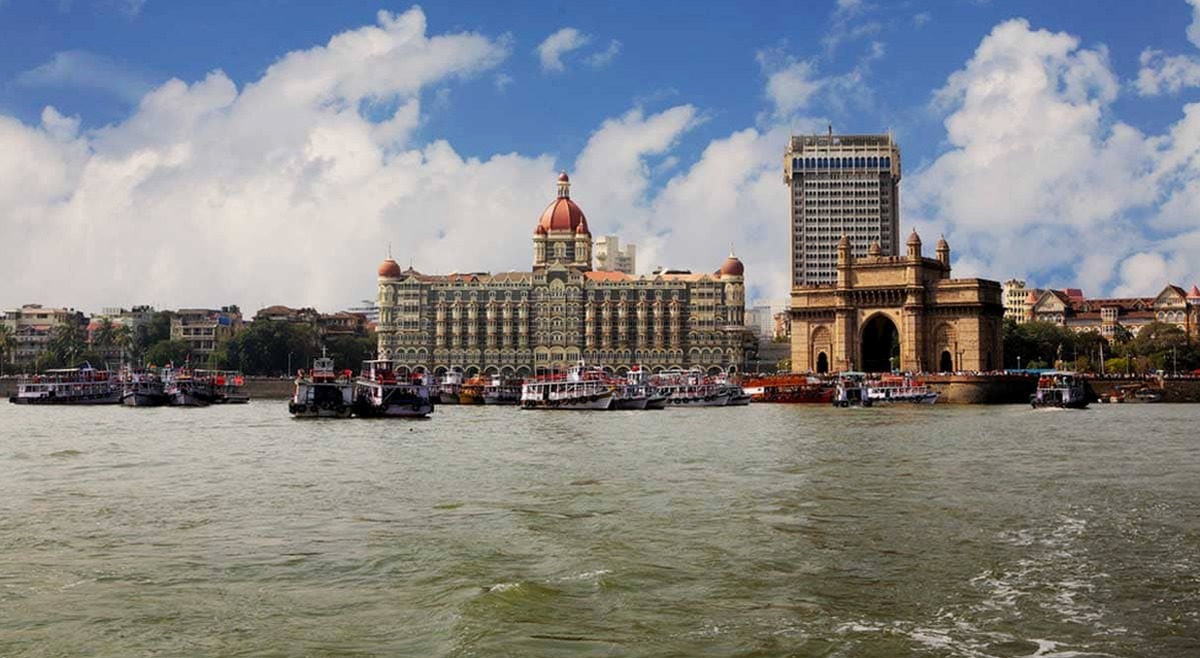
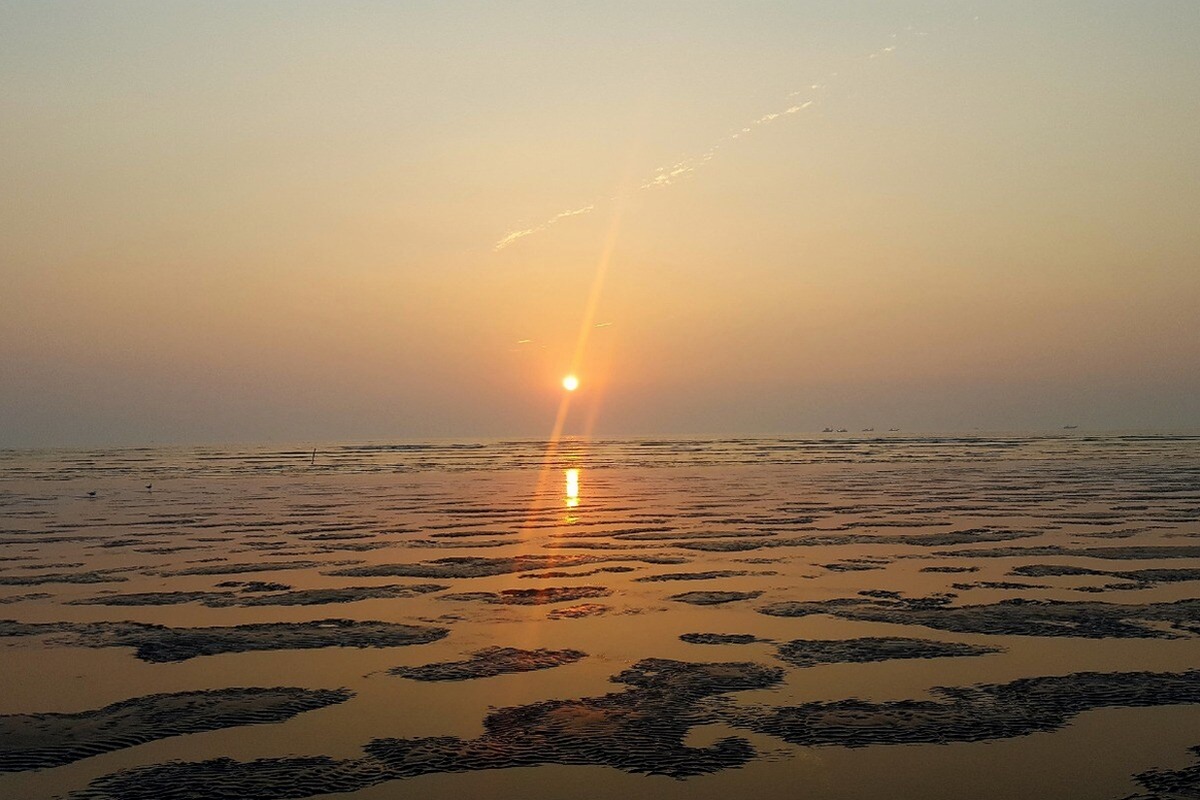
Cost Per Passenger Is Based On Number Of Travellers
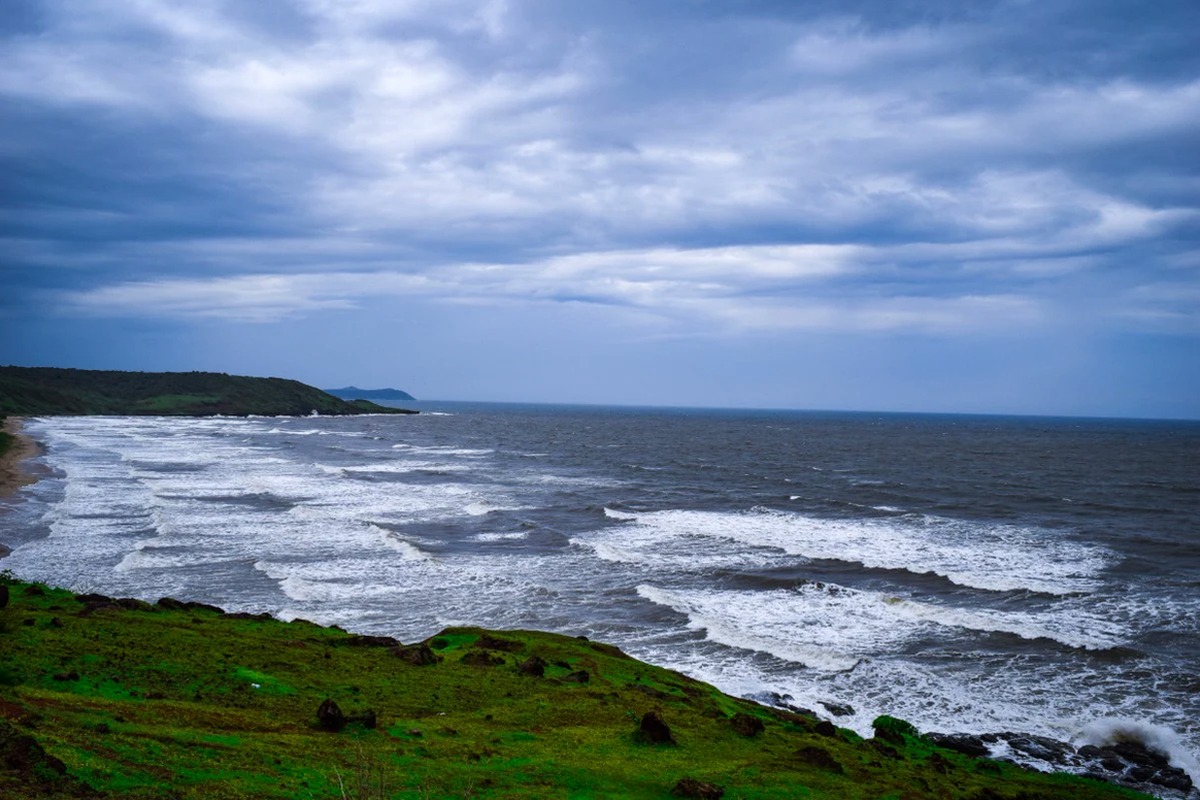
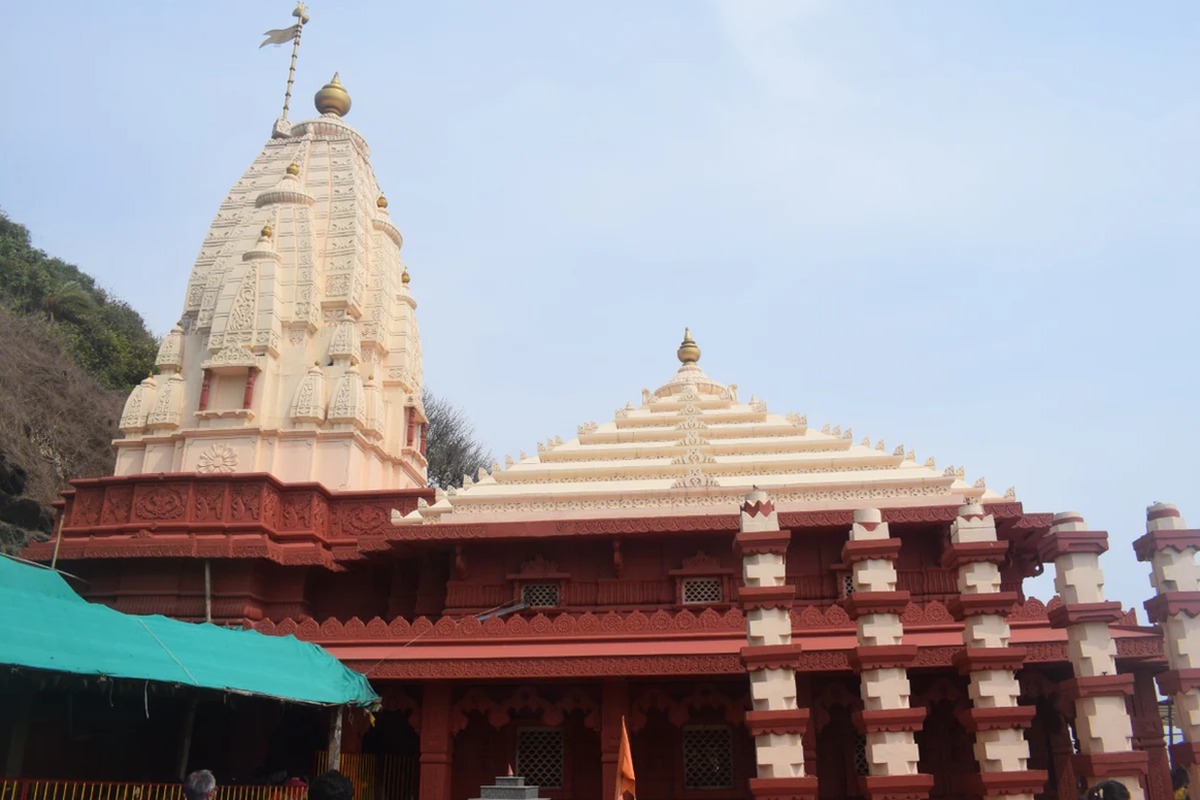
A four-night coastal Maharashtra loop from the Gateway of India through Alibaug's Kolaba Fort, Ganpatipule and Lonavala.
Alibaug, Ganpatipule, Lonavala, Maharashtra, Mumbai
2 People
Duration
5 Days - 4 Nights
₹23,680
Next Departures
June 23, 2026 (Available)July 1, 2026 (Available)August 1, 2026 (Available)